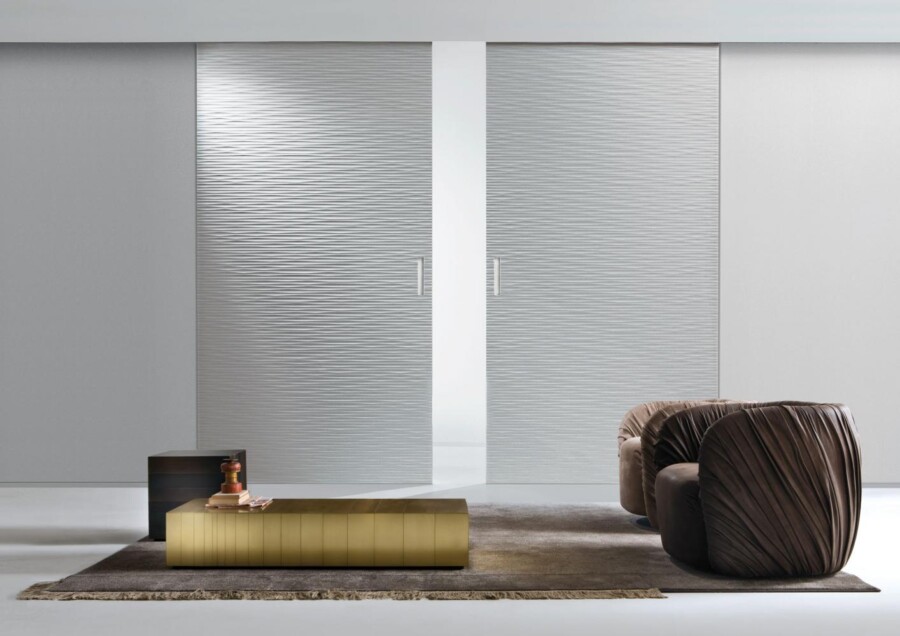
Pocket & Sliding Interior Doors – A Buyer’s Guide in 2026

Pocket and sliding interior doors are no longer only “space-saving alternatives”; in 2026, they are part of architectural planning for homes, condos, apartments, closets, bedrooms, bathrooms, home offices, hospitality interiors and commercial spaces. The right system can improve usable floor space, room flow, privacy, acoustics, natural light movement, visual continuity, minimalist design, storage access and daily comfort.

For homeowners, designers and builders working with compact rooms, narrow hallways or flexible layouts, modern doors can transform small spaces by changing how a room functions every day.

Pocket and Sliding Doors for Smarter Modern Interiors
Make every room work better with Italian-crafted interior doors designed for privacy, flow, and everyday comfort. Explore pocket, wall-mount sliding, bypass, flat panel, and modern interior door systems created for homes, condos, offices, closets, and custom architectural spaces.
View Interior Doors

Why pocket and sliding interior doors matter more in 2026

Modern homes need better use of space

Open-plan living, smaller urban homes, Miami condos, renovated apartments, guest suites, home offices and multifunctional rooms all create the same design challenge: every square foot matters. A room may need to work as a bedroom at night, an office during the day and a guest space when needed. A hallway may need to feel wider. A closet may need better access. A bathroom may need enough clearance for a vanity, toilet, shower door and entry door without creating conflict.

Pocket and sliding doors reduce this problem because they move sideways instead of swinging into the room. A pocket door slides into a hidden wall cavity. A wall-mount sliding door travels along the wall. A bypass system allows panels to slide past each other, usually in closets or storage areas. In each case, the door becomes less intrusive and the room becomes easier to use.

This is one of the main reasons pocket and sliding interior doors are increasingly relevant in 2026. Buyers are not only looking for attractive doors. They are looking for door systems that help the whole home work better.

Interior doors now shape the entire design concept

Interior doors influence much more than privacy. They affect how the space feels, how light moves, how rooms connect and how finished the interior looks. A poorly chosen door can interrupt a beautiful design, while the right door can make the architecture feel cleaner, calmer and more complete.

Interior doors influence privacy, acoustics, natural light and how the space feels. That is especially true with pocket and sliding systems because they often sit in highly visible places: between a bedroom and bathroom, beside a living room, across a closet wall, between an office and hallway or as a large divider between flexible living areas.

Sliding systems support both function and design

Sliding systems are flexible because they can be discreet or expressive. Some are designed to disappear visually, with hidden rails, flush panels or ceiling-integrated tracks. Others are designed to stand out, with visible wheels, wall-mounted movement, bold finishes or oversized panels.

This gives buyers a wide range of possibilities. A sliding door can be:

  • discreet
  • bold
  • wall-mounted
  • hidden
  • ceiling-integrated
  • oversized
  • double-panel
  • closet-focused
  • custom-designed
Need More Space Without Changing the Whole Floor Plan?
ITALdoors interior door systems help you create cleaner transitions, better room flow, and more usable space. Choose from in-stock interior door packages or discuss custom sliding, pocket, frameless, and specialty solutions for modern American homes and commercial interiors.
Explore Interior Door Options

Where pocket and sliding doors work best in the home

Small bedrooms and guest rooms

Small bedrooms and guest rooms often suffer from tight furniture layouts. A traditional swing door may interfere with a bed, nightstand, dresser, desk or closet. Even when the room technically works, the door swing can make the layout feel awkward.

Pocket and sliding doors free up that space. A bed can sit closer to the doorway. A desk can be placed where a swing door would normally open. A dresser can fit along a wall that would otherwise need to stay clear. In a guest room, this can make the difference between a room that feels temporary and one that feels properly planned.

For buyers working with compact layouts, space-saving interior design ideas can help show how door selection affects the entire room, not just the doorway.

Bathrooms and powder rooms

Bathrooms and powder rooms are some of the best places to consider pocket doors. These rooms often have many fixed elements in a small footprint: a vanity, toilet, shower, tub, mirror, towel storage and sometimes a hallway or bedroom door nearby. A swing door can easily create conflicts.

A pocket door reduces that problem by sliding into the wall. It can make the entry cleaner and free up space near the vanity or toilet. In a powder room, it can also make a small guest bathroom feel less cramped.

However, bathroom door selection must be practical. Privacy matters. Hardware quality matters. Smooth movement matters. Correct installation matters. A bathroom pocket door should not feel loose, noisy or unfinished. The goal is to save space while still preserving comfort, privacy and daily reliability.

Closets and dressing areas

Closets and dressing areas need easy access without taking over the room. This is where bypass doors, double magnet closet systems and sliding panels can be especially useful.

ITALdoors offers several door types that can support closet and dressing-room layouts:

  • Double Bypass Sliding (Closets)
  • Double Magnet (Closets)
  • Pocket
  • Wall Mount Sliding

A bypass system is practical for wardrobe walls because the panels slide past each other instead of swinging outward. A double magnet closet system can support a clean and modern appearance. A pocket or wall-mount sliding door can separate a dressing area from a bedroom without making the transition feel heavy.

The right choice depends on the closet size, available wall space, access needs and design style. A small reach-in closet may need a different solution than a large walk-in dressing area or custom wardrobe wall.

Home offices

Home offices need privacy, but they also need flexibility. Many people do not want a home office to feel permanently closed off from the rest of the home. A sliding door can create separation when needed and openness when not.

This is especially useful for hybrid work, guest rooms that double as offices and rooms near living areas. A sliding door can help reduce visual distraction during work hours, then open the room back up when the workday ends.

For a home office, buyers should think carefully about privacy and acoustics. If the room is used for calls, meetings or focused work, the door should feel solid, stable and properly installed. A beautiful door that does not provide enough separation may not solve the real problem.

Living rooms, dining rooms and flexible open spaces

Large sliding panels and movable wall concepts work well in living rooms, dining rooms and flexible open spaces. These areas often need different levels of openness depending on the time of day, number of guests and type of activity.

A sliding system can keep rooms connected during the day and separated when privacy, quiet or climate control is needed. For example, a living room can remain open to a dining area for entertaining, then become more private in the evening. A lounge can connect to a home office or media room, then close when sound control is needed.

This is where double sliding systems and full-height movable walls become especially interesting. They give the home more flexibility without permanently dividing the floor plan.

Laundry rooms, pantries and utility spaces

Laundry rooms, pantries and utility spaces are often small, functional areas placed near kitchens, hallways or secondary rooms. In these spaces, a swing door can quickly become annoying. It may block a hallway, hit shelving, interfere with appliances or make the area harder to use.

A pocket or sliding door can hide the space without making the surrounding area feel cramped. This is useful for:

  • laundry closets
  • pantry entries
  • mudroom storage
  • mechanical rooms
  • linen storage
  • cleaning-supply areas

The benefit is simple: the door gets out of the way. That makes everyday routines smoother, especially in homes where utility areas are used frequently.

Condos and apartments

Pocket and sliding interior doors are especially relevant for condos and apartments because they improve circulation and reduce visual clutter. Urban residences often have tighter hallways, smaller bathrooms, compact bedrooms and multifunctional living areas. A better door system can make the same square footage feel more usable.

In condos, buyers should always consider building rules, wall conditions, installation constraints and professional measurement before choosing the system. Some buildings may have restrictions related to structural walls, fire-rated assemblies, acoustic requirements, hallway conditions or renovation approvals. Even when the design idea is simple, the installation environment must be checked carefully.

A pocket or sliding door can be an excellent solution for a condo, but it should be selected with technical guidance, not only from a photo or showroom sample.

Pocket and sliding doors for modern interiors

Minimalist interiors

Minimalist interiors depend on discipline. Every visible surface matters. A door with too much detail, bulky trim or mismatched hardware can interrupt the entire room. This is why flat surfaces, clean lines, concealed hardware and simple finishes are so important.

Pocket and sliding doors can support minimalist design because they reduce the visual impact of the doorway. A pocket door can disappear when open. A hidden-rail sliding door can move without making the track the center of attention. A flat panel can create a smooth, quiet background.

For buyers who want a simple and refined look, flat panel interior doors for minimalist homes are a strong design direction. They pair especially well with matte finishes, neutral walls, modern flooring and concealed or coordinated hardware.

Invisible and frameless design concepts

Many modern projects treat doors as part of the wall rather than separate decorative objects. This is where invisible and frameless design concepts become important. The goal is to reduce the visual boundary between the door and the surrounding architecture.

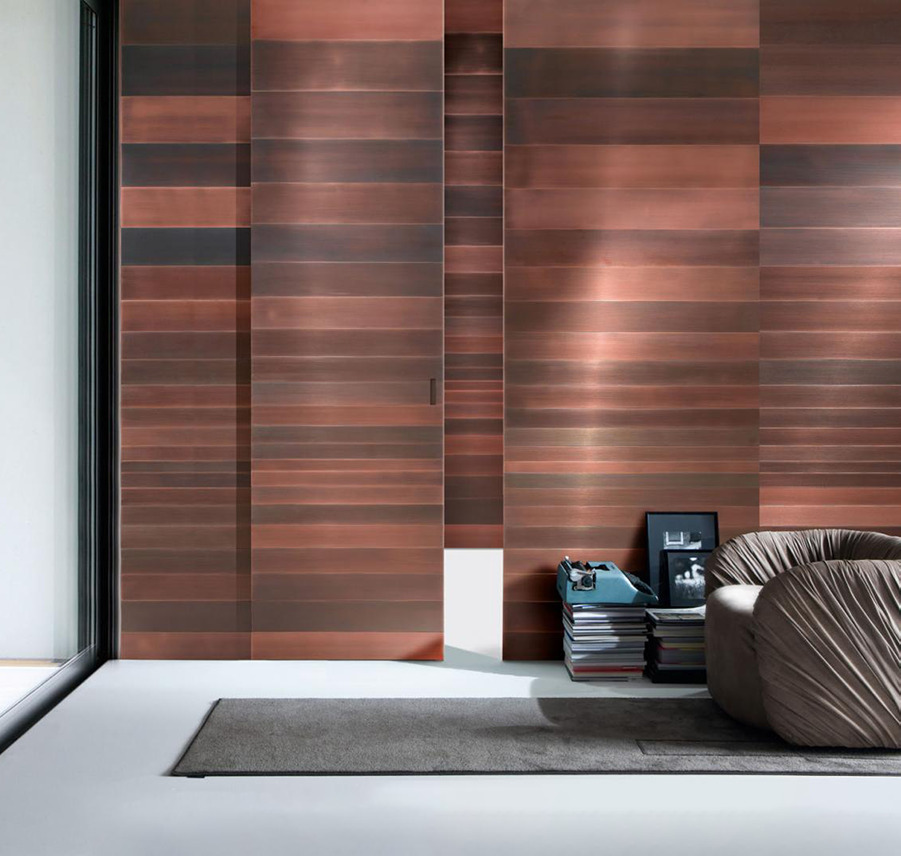
Pocket and sliding systems can support that effect when paired with concealed tracks, flush panels, matching finishes or wall-integrated design. In some projects, the door may coordinate with wall panels, wallpaper or custom surfaces so it feels integrated rather than added later.

This approach is especially useful in luxury homes, modern condos, boutique hospitality spaces and high-end offices where visual continuity matters. For a deeper look at this design direction, ITALdoors’ guide to invisible and frameless interior door trends connects directly with the way sliding and pocket systems are being used in 2026.

Warm wood and natural finishes

Wood finishes remain important because they bring warmth to modern interiors. A room with clean lines, white walls, stone surfaces or minimalist furniture can feel too cold if every surface is plain and flat. A wood-finished sliding door can add depth without making the space feel traditional.

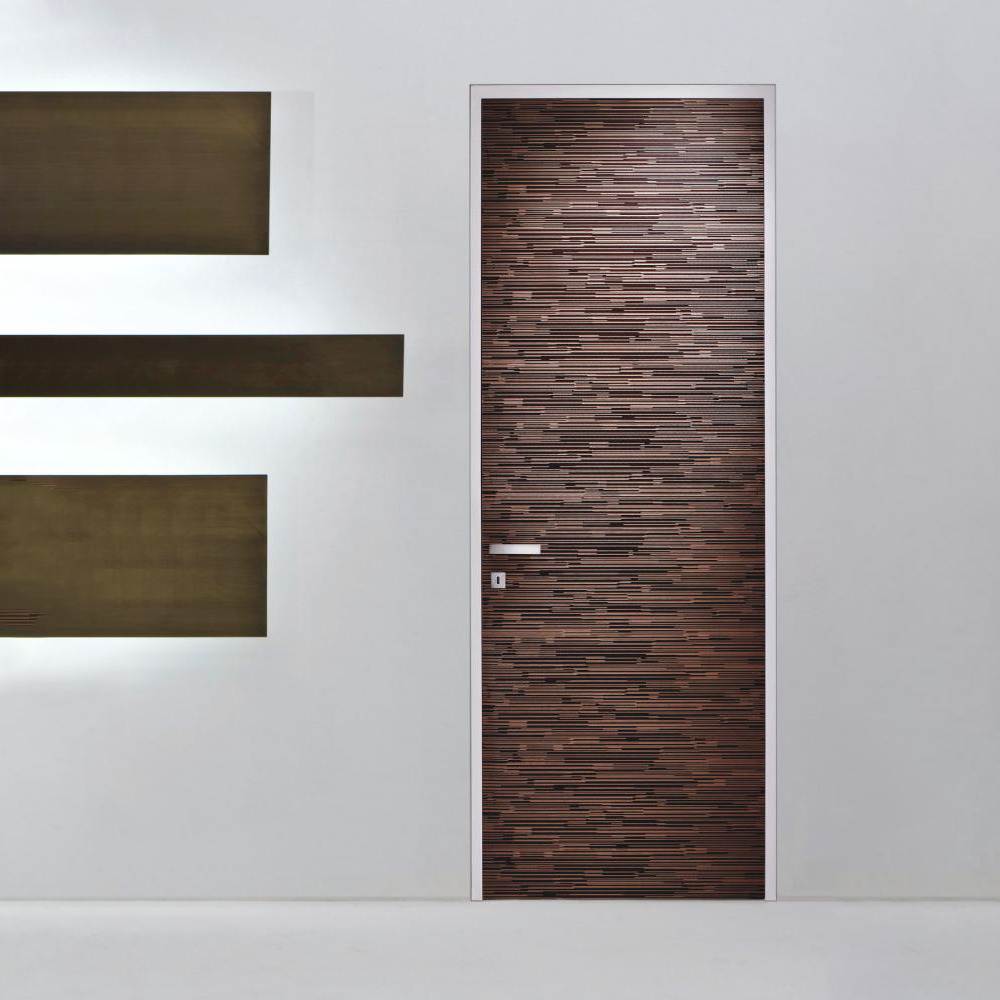
ITALdoors standard finishes such as Walnut, Light Oak, Wenge and Grey give buyers several directions. Walnut can feel rich and refined. Light Oak can create a brighter, more natural look. Wenge can add contrast and a stronger luxury tone. Grey can work well in contemporary interiors where the buyer wants a neutral finish that still has visual weight.

For pocket and sliding doors, finish selection matters because the door often has a larger visible surface than a standard swing door. A wall-mount sliding panel, closet system or full-height sliding door may become one of the main surfaces in the room. The finish should coordinate with flooring, cabinetry, wall color, trim and hardware.

Matte white, linen and grey finishes

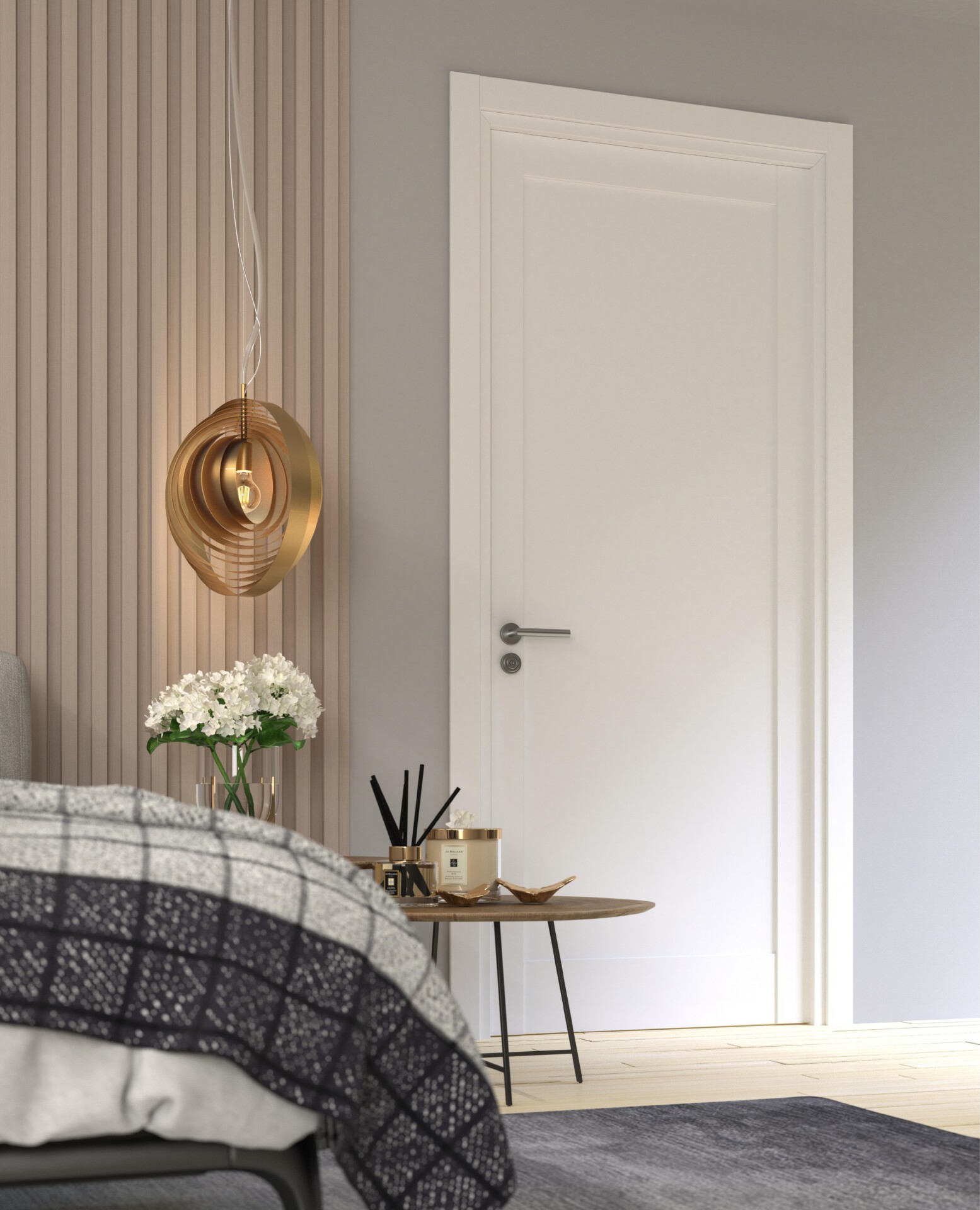
Matte White, Linen Ice, Linen Grey, Light Grey and Grey are practical options for bright interiors, coastal homes, condos and modern neutral palettes. These finishes can help the door feel clean and understated, especially when the goal is not to make the door the dominant feature.

Matte White works well when the door should blend into light walls or support a crisp minimalist look. Linen Ice and Linen Grey can add subtle texture and softness. Light Grey and Grey can connect with modern flooring, stone, concrete tones, metal accents and neutral cabinetry.

These finishes are especially useful in:

  • Miami condos
  • modern apartments
  • coastal interiors
  • minimalist bedrooms
  • clean hallway designs
  • contemporary closets
  • offices with neutral palettes

The advantage of these finishes is restraint. They allow the door system to look refined without overwhelming the room.

ITALdoors door types available for everyday spaces

ITALdoors offers several interior door types for modern residential and commercial spaces. The value is not only in having many options, but in being able to choose the right configuration for each room. A bedroom, closet, bathroom, office and hallway do not always need the same door solution.

Single swing doors

Single swing doors remain the standard solution for many bedrooms, bathrooms, offices and private rooms. They are familiar, practical and suitable for spaces where there is enough clearance for the door to open comfortably.

A single swing door is often the right choice when the layout is simple and privacy is the main priority. It works well in rooms where the door swing does not interfere with furniture, fixtures or circulation. With the right finish and hardware, a single swing door can still look modern, clean and refined.

Double swing doors

Double swing doors can work well for wider openings, formal rooms and spaces where symmetry matters. They can create a more generous entry point and a stronger architectural moment than a single door.

These doors are often considered for living rooms, dining rooms, primary bedrooms, offices or rooms that need a more elegant transition. They can make an opening feel more intentional and balanced, especially when the interior design uses symmetry in furniture, lighting or wall details.

The key is making sure the room has enough clearance for both leaves to open properly. Double swing doors can look beautiful, but they need more space than sliding or pocket alternatives.

Pocket doors

Pocket doors are ideal where every inch matters and the door should disappear into the wall when open. They are especially useful in compact rooms, bathrooms, powder rooms, laundry areas, pantries, closets and ensuite connections.

The biggest advantage of a pocket door is that it removes the swing arc. This gives the room more usable space and allows furniture, fixtures or storage to be placed more freely. In tight layouts, that difference can be significant.

A pocket door also creates a clean look when open. Since the panel slides into the wall, the doorway feels less interrupted. This is why pocket doors are often chosen for modern interiors where the goal is simplicity, flow and efficient space planning.

Wall mount sliding doors

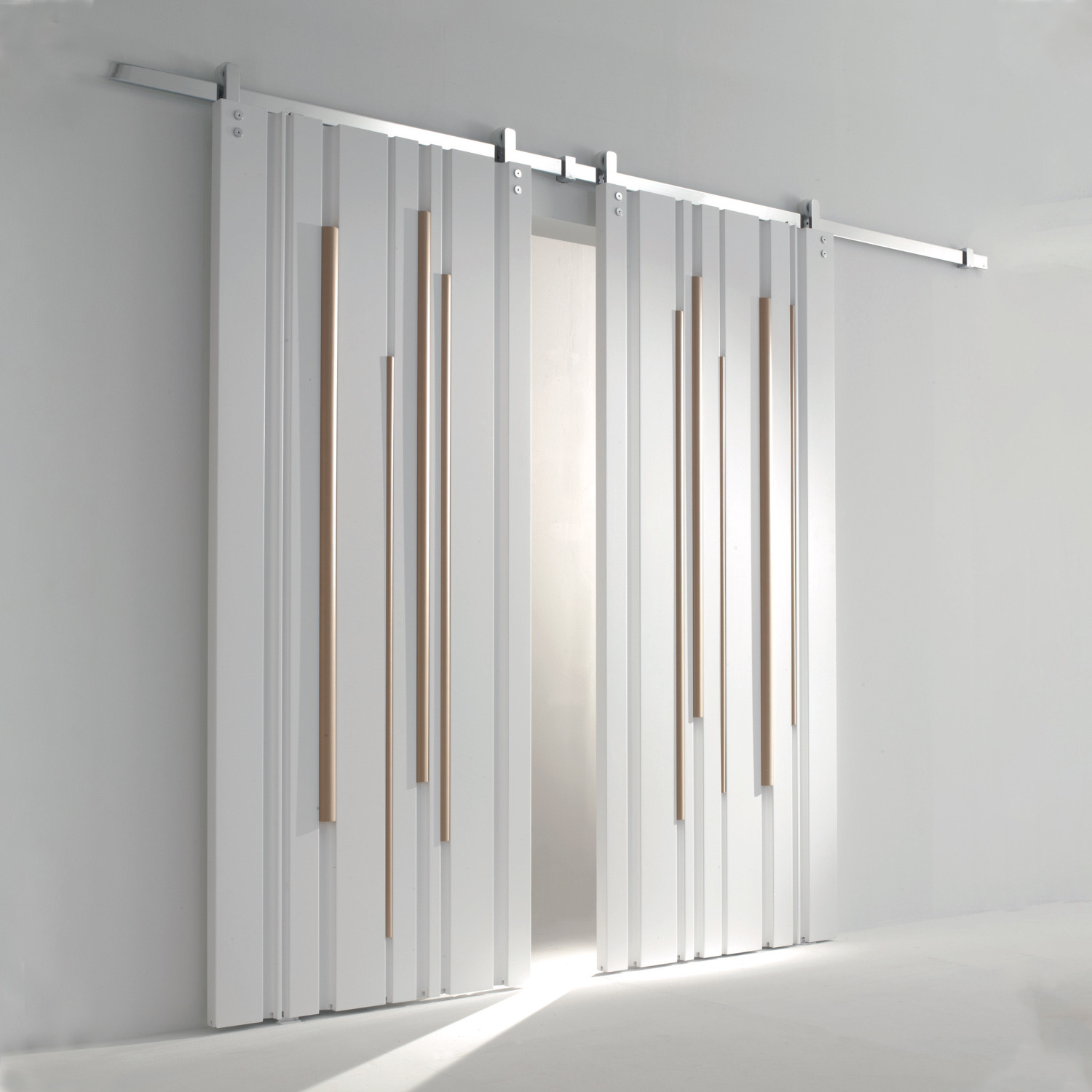
Wall-mounted sliding doors are practical when a pocket cavity is not possible or when the door should remain visible as part of the design. Instead of disappearing into the wall, the door panel slides along the wall surface.

This makes wall mount sliding doors useful for bedrooms, offices, media rooms, living areas and feature walls. They can save floor space while also contributing to the room’s character. The panel finish, hardware and proportions become part of the visual composition.

ITALdoors offers Wall Mount Sliding, also referred to as a barn door style configuration. This option can be especially useful when the wall structure does not allow for a pocket door, but the buyer still wants the movement and space-saving benefit of a sliding system.

Double bypass sliding doors for closets

Double bypass sliding doors are especially practical for closets because the panels overlap and do not swing outward. This helps keep the room clear while still giving access to storage.

Closet doors often create layout problems in bedrooms and dressing areas. Swing doors may block beds, nightstands, walkways or furniture. A bypass system solves that issue by letting the panels slide along the closet opening.

This type of door is useful for:

  • bedroom closets
  • wardrobe walls
  • hallway storage
  • linen closets
  • dressing areas
  • utility storage

The main advantage is everyday convenience. The door stays close to the closet line, does not project into the room and keeps the storage area visually organized.

Double magnet closet doors

Double magnet closet doors can provide a clean, organized look for wardrobe and storage applications. They are especially useful when the goal is a modern closet appearance without the visual heaviness of traditional hinged closet doors.

A good closet door should make storage easier to access, but it should also make the room feel calmer. Double magnet closet systems can help create a more controlled visual surface, especially in bedrooms, hallways and dressing zones where closet doors occupy a large part of the wall.

This type of solution works well when the buyer wants the closet to feel integrated into the room rather than treated as an afterthought.

Flat panel doors

Flat panel designs are among the most versatile choices for modern and minimalist homes. They work especially well when the goal is a smooth, quiet and uncluttered look.

A flat panel door does not rely on heavy ornamentation. Instead, it depends on proportion, finish, alignment and hardware. That makes it suitable for many interior styles, from warm contemporary homes to clean minimalist apartments and modern commercial spaces.

Flat panel doors can also pair naturally with pocket and sliding systems. A simple slab surface can make a sliding door feel architectural rather than decorative. When combined with the right finish, it can support a refined interior without drawing too much attention to itself.

Readers who are comparing broader interior door options can also review ITALdoors’ guide on how to choose the best interior doors for your home. That guide connects well with the larger decision process because pocket and sliding doors are only one part of a complete interior door strategy.

B-Move sliding door collection: specialty sliding systems for advanced projects

B-Move is a sliding door collection designed to open spaces with style. It offers different sliding systems that allow customization of dimensions, aesthetics and panel finishes. Instead of treating the sliding door as one fixed product, B-Move gives designers and buyers several ways to solve different layout and design needs.

B-Move can support:

  • inside-the-wall systems
  • built-in rails
  • cover profiles
  • outside wheels
  • hidden rails
  • overlapping panels
  • full-height solutions
  • single or double configurations

This range is important because not every space needs the same sliding solution. A bathroom may need a hidden pocket-style system. A luxury living room may need a full-height sliding panel. A closet may need overlapping doors. A modern office may need a hidden rail system that feels clean and professional.

B-Move is especially useful when the sliding door is expected to do more than save space. It can become a room divider, a design feature, a movable wall or a discreet architectural element.

B-Move Minima: sliding door inside the wall

B-Move Minima is the best fit when the goal is a hidden pocket-style solution. The door slides inside the wall, which makes it practical for rooms where open floor space and clean visual lines are the priority.

Minima works well as both a room separator and a design element. It can be used to divide spaces without making the opening feel heavy. When the door is open, the panel is concealed inside the wall. When closed, it creates privacy and separation.

This type of system is especially useful for bathrooms, walk-in closets, laundry rooms, offices and compact connections between rooms. It is also suitable for projects where the door should feel integrated into the architecture rather than added onto it.

B-Move Sky: door with built-in rail

B-Move Sky works well when the rail should become part of the architecture and visually disappear. The door slides in a rail built into the ceiling, allowing the panel to feel more integrated with the space.

This creates a clean, high-end effect. Instead of seeing a prominent track on the wall, the viewer sees the door panel moving in a more architectural way. That makes Sky a strong option for contemporary homes, luxury condos, offices and hospitality interiors.

Sky can be especially effective in full-height applications. When the door reaches toward the ceiling and the rail is visually minimized, the system feels more like a movable wall than a standard interior door.

B-Move Magic: sliding door with hidden rail

B-Move Magic is suitable for clean modern spaces where the track should not dominate the room. Its defining feature is the hidden rail, which allows the panel and finish to become the main visual focus.

This is a strong solution for minimalist interiors, luxury bedrooms, private offices and spaces where visible hardware would interrupt the design. The movement remains functional, but the mechanism is visually quiet.

Magic can be made with a single or double door, giving it flexibility for different openings. It works especially well when the buyer wants the convenience of a sliding system without a strong barn-door or exposed-track appearance.

B-Move Basic: sliding door with cover profile

B-Move Basic uses a cover profile that can make the sliding system look more finished and intentional. One of its important design advantages is that the rail cover can be lacquered in the same color as the panel.

That creates continuity. Instead of the rail feeling like a separate technical element, it can become part of the door composition. This is useful when the buyer wants a sliding door that is visible but still refined.

Basic can work in bedrooms, offices, living zones and other areas where the door should provide both function and decoration. It is a practical middle ground between a fully hidden system and a more expressive exposed-wheel system.

B-Move Multy: sliding system on wheels

B-Move Multy is more expressive and flexible because it uses separated wheels rather than a classic rail. The wheels are not only functional; they can also become part of the visual identity of the door.

This system is useful when the buyer wants a sliding door with more character. It can be single or double and can bring movement, detail and personality to the interior. Unlike hidden systems, Multy allows the mechanism to be seen and appreciated.

That makes it a good fit for projects where the door should stand out slightly, but still feel modern and controlled. The key is choosing the right finish and proportion so the visible wheels enhance the room rather than making it feel busy.
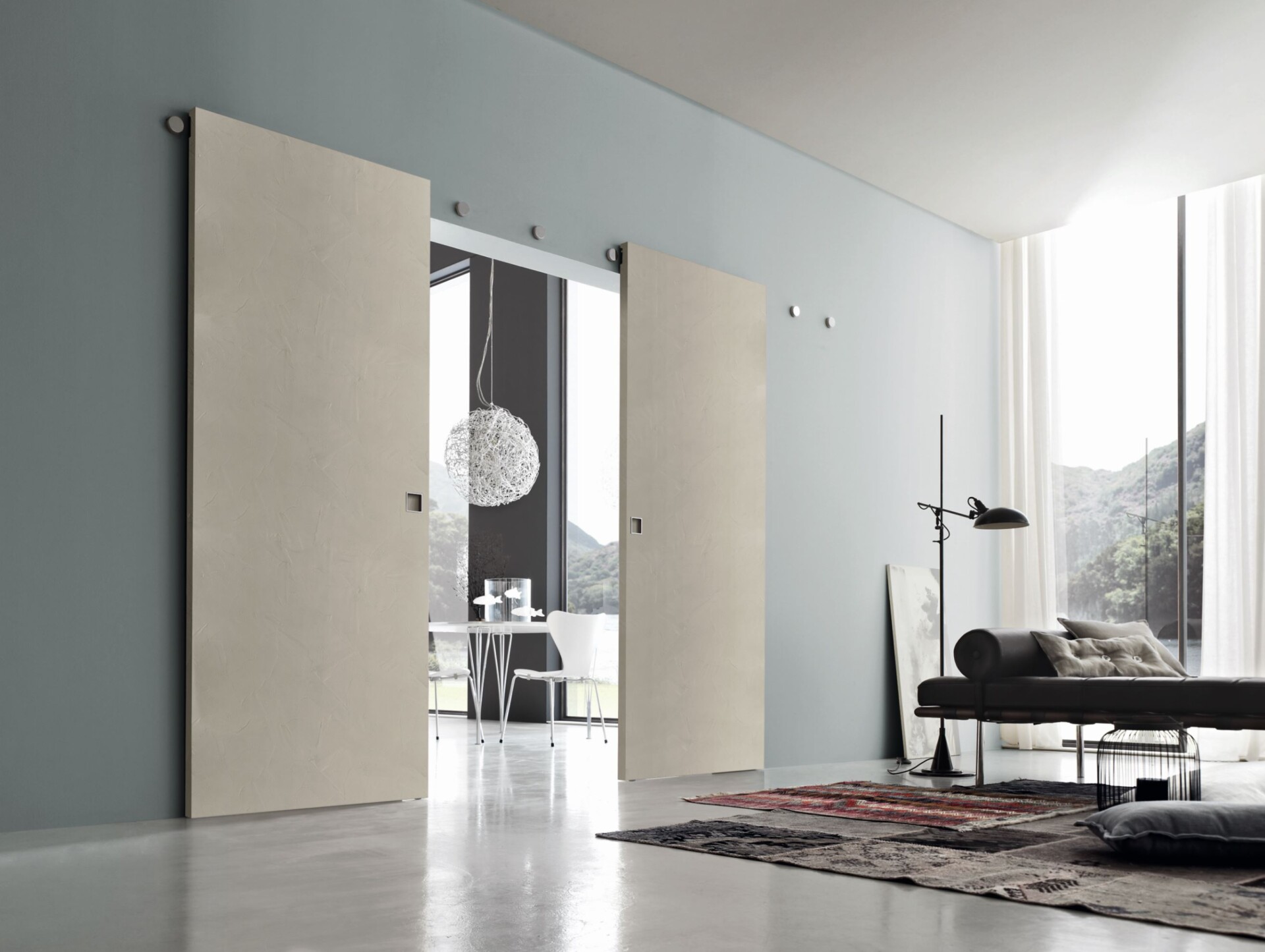
B-Move Luce: overlapping sliding panels

B-Move Luce works for wider spaces where overlapping panels and double-rail movement are needed. It combines the overlapping of two panels sliding on a double rail, making it suitable for larger openings or areas where one panel is not enough.

This type of system can be useful for closets, room dividers, wide transitions and flexible living areas. It allows multiple panels to move in a controlled way while supporting a more layered architectural effect.

Luce is especially relevant when the opening needs more coverage or when the interior design benefits from wider sliding surfaces. It gives the space flexibility without relying on traditional swing doors or fixed partitions.

Readers planning a renovation should review the common interior door renovation mistakes before finalizing their door selection. A beautiful door can still become a problem if it is chosen after framing, electrical placement, drywall or finish work has already limited the available options.


Choosing between pocket, wall-mount sliding, bypass and specialty sliding systems is much easier when the door, hardware, frame, finish and installation plan are considered together. ITALdoors helps homeowners, designers, builders and commercial clients select complete Italian interior door systems for modern American spaces, with practical guidance for everyday rooms, compact layouts, closets, luxury interiors and custom architectural projects.

Contact ITALdoors to discuss your opening dimensions, finish preferences and project timeline. Explore in-stock interior door packages or request more information about specialty sliding doors, frameless systems and custom Italian door solutions.

Plan Your Interior Doors With the Right System From the Start
From compact bathrooms and closets to full-height sliding panels and custom modern interiors, ITALdoors helps you match the right door type, finish, hardware, frame, and installation approach to your project. Start with complete Italian interior door systems designed for everyday performance and refined design.
Find Interior Door Solutions

Frequently asked questions about Pocket & Sliding Interior Doors

Not always; pocket doors are better when the door should disappear into the wall and floor space is limited, while wall-mount sliding doors are better when the wall cannot accept a pocket cavity or when the door should remain visible as a design feature.

Yes, pocket doors are one of the most practical solutions for small rooms because they do not need swing clearance and can work well in bathrooms, closets, laundry rooms, offices and compact bedrooms.

Yes, sliding systems such as double bypass doors and double magnet closet doors can be practical for closets because they provide access without taking up floor space in the room.

Depending on the selected model, ITALdoors interior door packages may include the door slab, frame, casing, concealed hinges, magnetic lock and handle.

Yes, ITALdoors offers in-stock and special-order solutions, including sliding doors, pocket doors, frameless doors, pivot doors, custom finishes and specialty configurations, with special-order projects requiring longer lead times because customization and direct shipping from Italy are involved.

Standard in-stock finishes include Walnut, Light Oak, Grey, Light Grey, Mahogany in limited quantities, Matte White, Linen Ice, Linen Grey and Wenge, while custom veneer, lacquer and laminate options may also be available upon request.

Yes, sliding doors support clean lines, flexible room separation, better space planning and a more architectural look, especially in modern, minimalist and open-plan interiors.

Share this?
About Author
On Key

Related Posts