Small-space living is an increasingly common reality, especially in urban environments where compact apartments and studio flats dominate the housing market. While these living spaces can be cozy and efficient, they also present unique design challenges. Maximizing every square meter becomes essential, and one often overlooked yet transformative element is the choice of interior doors.
In traditional home design, doors serve a simple functional purpose—separating rooms, ensuring privacy, and providing access. However, in small spaces, poorly chosen doors can become a significant obstacle. Swing doors require clearance, obstruct furniture placement, and can make a small room feel even more confined. This is where modern interior doors come into play, offering solutions that are both space-efficient and visually enhancing.
By integrating sliding doors, minimalist door designs, and doors that manipulate light and texture, homeowners can create the illusion of a larger space while improving flow and functionality. These design choices are not just about aesthetics—they directly impact how space is perceived and used.
In this article, we’ll explore how modern doors can revolutionize small spaces, covering:
- The importance of space-saving doors in compact apartments.
- Why sliding doors are an ideal choice for limited square footage.
- How color, texture, and lighting influence spatial perception.
- The best modern door solutions that maximize both form and function.
Choosing the right doors can mean the difference between a cramped, inefficient home and a sleek, open, and highly functional living space. Whether you’re designing a small studio apartment or optimizing a compact home, the right interior doors can be the key to unlocking new levels of comfort and style.
The Power of Modern Interior Doors in Small Spaces
Doors are one of the most underestimated elements in interior design, particularly when it comes to small spaces. While they are primarily functional—providing privacy and separating rooms—they also play a significant role in spatial flow, furniture placement, and the perception of openness.
Traditional doors with large swinging arcs often create dead zones—areas that must remain empty to accommodate door movement. In a small apartment where every square meter counts, this wasted space can make the layout feel even more constrained. Additionally, doors that are too bulky or visually imposing can contribute to a claustrophobic atmosphere, making an already small room appear even smaller.
By choosing modern interior doors designed with space efficiency in mind, homeowners can enhance movement, improve functionality, and even manipulate the perception of depth and openness.
Common Door-Related Issues in Small Apartments
Small living spaces often come with unique challenges when it comes to door placement and functionality. Some of the most common issues include:
- Limited swing space – Standard hinged doors require a clearance radius, making them impractical for tight hallways, compact bedrooms, or narrow bathrooms.
- Obstruction of furniture – Doors that open inward can limit where you place furniture, creating awkward and inefficient layouts.
- Poor natural light distribution – Solid doors can block light from traveling between rooms, making a small space feel even darker and more enclosed.
- Lack of flexibility – Traditional doors provide limited adaptability when it comes to multi-functional spaces, such as studio apartments where one room serves multiple purposes.
Each of these issues can contribute to a cluttered, inefficient, and visually compressed environment, making small spaces feel even more restrictive.
Overview of Modern Door Solutions That Enhance Space Efficiency
To combat these challenges, modern interior doors have evolved to offer solutions that not only save space but also contribute to a more open, airy, and practical living environment. Some of the best options include:
1. Sliding Doors – The Ultimate Space Saver
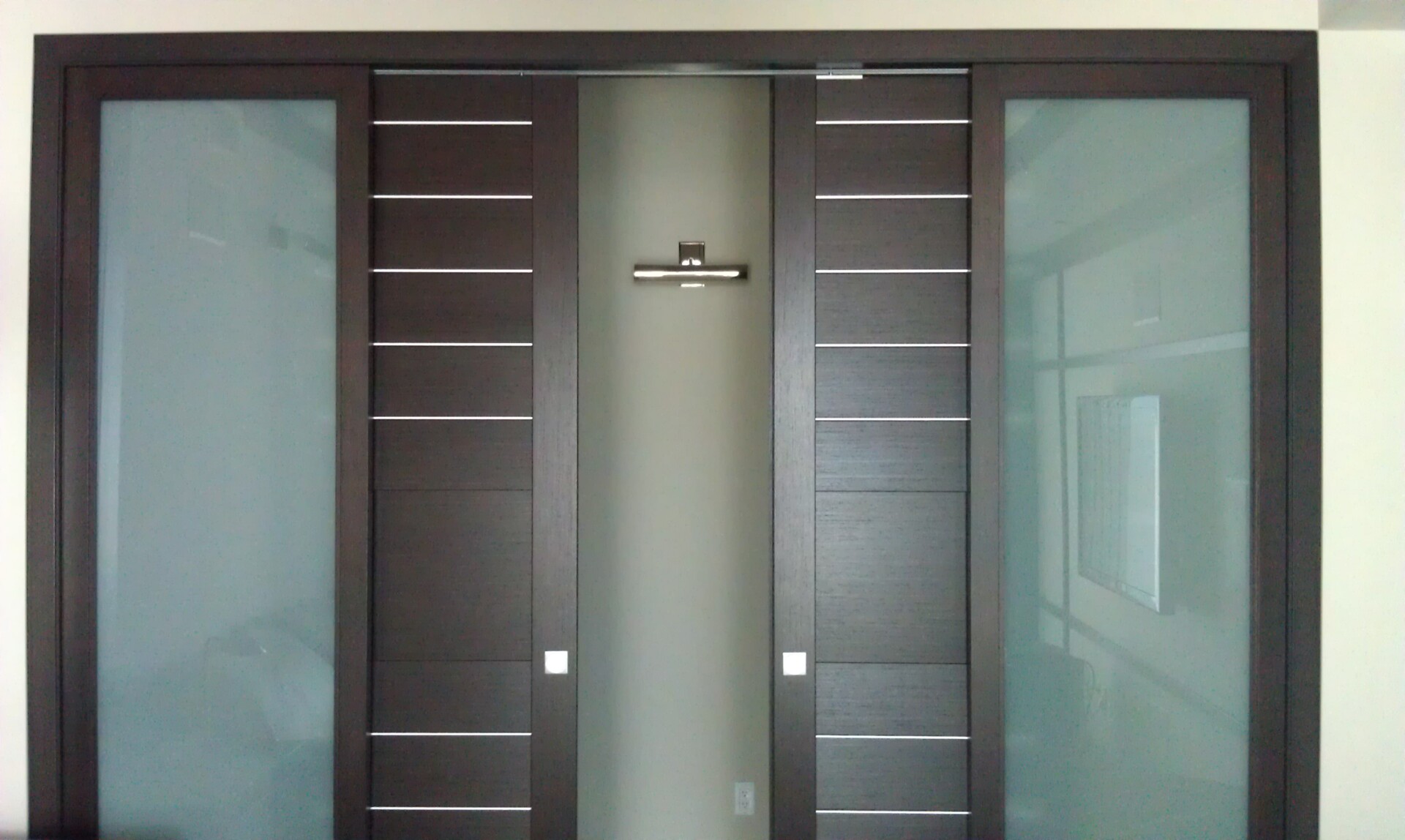
Unlike traditional doors, sliding doors move parallel to the wall rather than swinging open, eliminating clearance issues. Whether built as pocket doors that disappear into the wall or as barn-style doors that slide externally, these options are ideal for compact spaces.
2. Glass Doors – Allowing Light to Flow Freely
Translucent or frosted glass doors help distribute natural light between rooms, making the entire apartment feel brighter and more spacious. They maintain privacy while still allowing light flow, perfect for bathrooms, home offices, or dividing an open-plan space.
3. Minimalist Flush Doors – Blending Seamlessly Into Walls
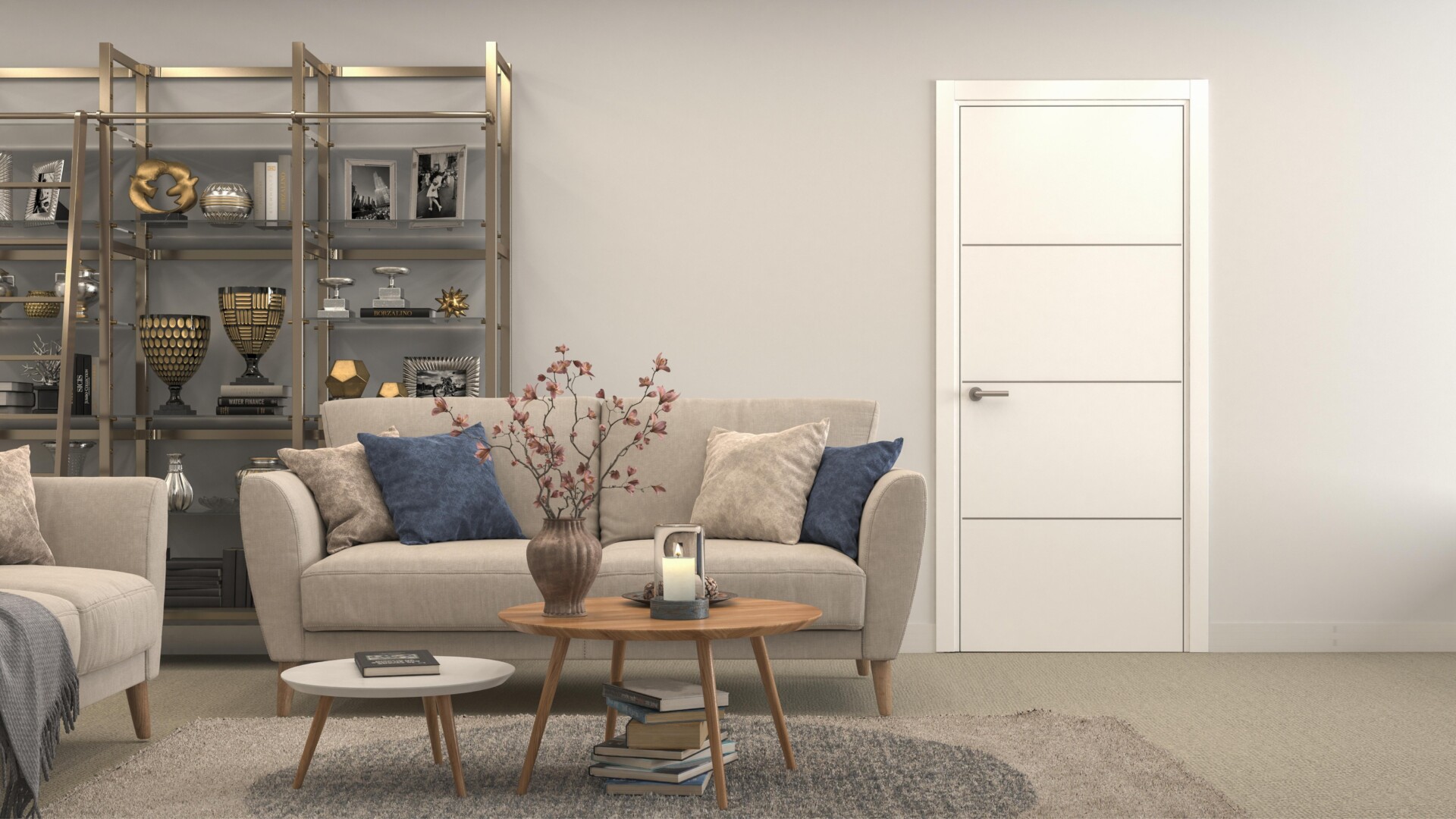
A growing trend in modern interiors is the flush door, which sits level with the wall, often painted in the same color for a seamless, uninterrupted look. This design trick reduces visual clutter and creates the illusion of a larger, more cohesive space.
4. Folding and Bi-Fold Doors – Flexibility for Multi-Purpose Areas
For areas where maximum accessibility is needed, such as kitchen-to-dining transitions, bi-fold doors provide an excellent compact alternative. They fold neatly when opened, taking up minimal space while still allowing for easy passage.
5. Pivot Doors – A Unique, Space-Conscious Alternative
Pivot doors rotate on an off-center hinge, meaning they take up less clearance than traditional swinging doors. While not as space-saving as sliding doors, they offer a modern aesthetic and a smaller footprint compared to conventional options.
Each of these modern door solutions caters to a specific need, whether it’s saving space, optimizing lighting, or creating a sleek, minimalist aesthetic. By selecting the right interior doors, homeowners can enhance both the functionality and style of their small living spaces, proving that even the smallest details can make a big impact.
| Door Type | Best For | Key Benefits |
|---|---|---|
| Sliding Doors | Small apartments, closets, bathrooms | Saves floor space, no swing clearance needed, modern aesthetic |
| Glass Doors | Bathrooms, home offices, room dividers | Enhances natural light flow, makes spaces feel larger, stylish |
| Minimalist Flush Doors | Modern apartments, seamless designs | Creates a clean, unobtrusive look, blends into walls |
| Folding & Bi-Fold Doors | Kitchens, dining areas, flexible spaces | Compact when open, allows for partial separation, versatile |
| Pivot Doors | Entryways, modern interiors | Unique, space-conscious alternative, smooth movement |
Why Sliding Doors Are Ideal for Small Apartments
Small apartments demand smart, space-saving solutions, and when it comes to doors, sliding doors stand out as an efficient, stylish, and practical alternative. Unlike traditional hinged doors that require clearance to open and close, sliding doors operate along a track, eliminating wasted space and allowing for more flexible interior design. Whether installed as pocket doors, barn-style doors, or glass panels, they offer an elegant and space-efficient way to enhance small living areas.
How Sliding Doors Save Space
Traditional vs. Sliding Doors: Footprint Comparison
One of the most significant advantages of sliding doors is their minimal footprint. Traditional swinging doors typically require up to 1 square meter of clearance to function properly, depending on the door width. This clearance can become a major issue in tight hallways, compact bedrooms, and narrow bathrooms, where every inch of space is valuable.
In contrast, sliding doors move laterally along a track, eliminating the need for clearance space. This simple yet impactful change allows homeowners to utilize areas that would otherwise be blocked by the arc of a traditional door. For instance:
- A hinged door in a small bedroom might limit where a bed, wardrobe, or desk can be placed.
- A bathroom door that swings inward could block access to storage or make the space feel congested.
- A kitchen door might interfere with cabinet doors, reducing accessibility.
By removing the need for swing space, sliding doors provide more functional square footage, making rooms feel more open and less cluttered.
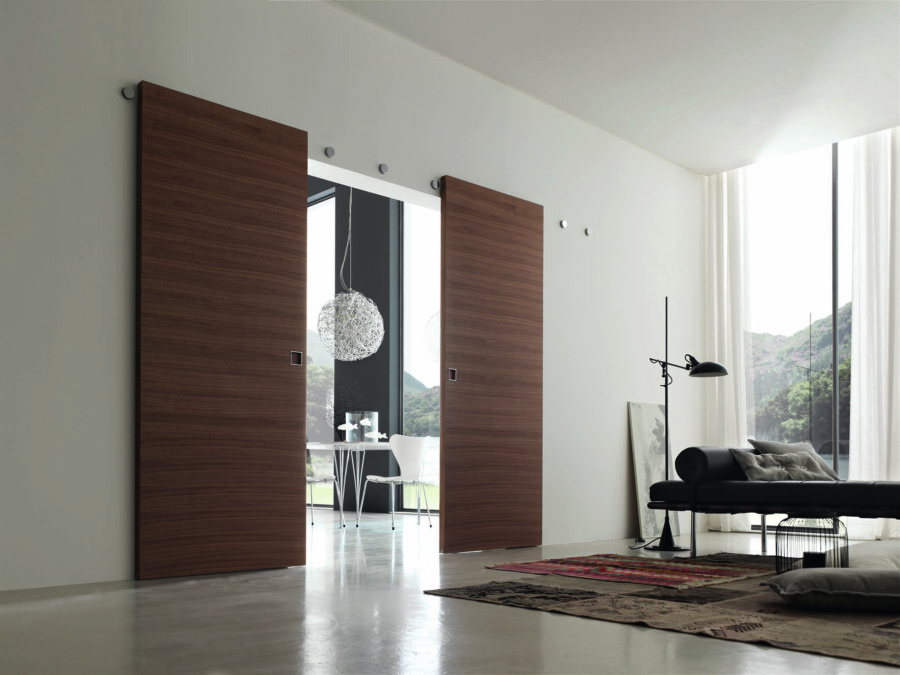
How Sliding Doors Eliminate Clearance Issues
Beyond freeing up physical space, sliding doors contribute to a more seamless and efficient layout. With traditional doors, furniture placement often revolves around ensuring enough space for door movement. In small apartments, this can restrict design choices and force homeowners to compromise on layout efficiency.
Sliding doors solve this problem by hugging the wall or disappearing into it, meaning you can:
- Position furniture closer to the entrance without worrying about blocking the door.
- Install larger storage solutions in tight areas like closets, pantries, or laundry rooms.
- Improve room transitions by allowing doors to stay open without obstructing pathways.
Whether used for bedrooms, bathrooms, or even as room dividers in studio apartments, sliding doors help optimize space without sacrificing functionality.
Types of Sliding Doors for Small Interiors
1. Pocket Doors – Disappearing into the Wall for Maximum Efficiency
Pocket doors are one of the most space-saving door solutions available. Unlike standard sliding doors that remain visible when open, pocket doors slide into a hidden compartment within the wall, completely disappearing when retracted.
Why pocket doors are ideal for small apartments:
- Zero wall obstruction – When fully open, they leave both sides of the doorway unobstructed.
- Great for tight spaces – Ideal for bathrooms, laundry rooms, and walk-in closets where door clearance is an issue.
- Minimalist aesthetic – Blends seamlessly into the wall, creating a clean and uninterrupted design.
However, pocket doors require more extensive installation, as they need a hollow wall cavity for storage. This means they are best suited for new constructions or major renovations.
2. Barn-Style Sliding Doors – A Stylish and Functional Alternative
Barn-style doors offer a visually striking and functional alternative to both traditional and pocket doors. These doors slide along an external track mounted above the doorway, staying visible even when open.
Advantages of barn-style sliding doors:
- Easy to install – Unlike pocket doors, they don’t require opening up the wall.
- Ideal for rustic, industrial, or modern interiors – Available in a variety of materials and finishes.
- Works well for wide openings – Perfect for dividing open-plan spaces, such as between a bedroom and a walk-in closet or between a kitchen and dining area.
The main consideration with barn-style doors is that they require some wall space on one side to slide open, so they may not be suitable for very tight hallways or areas with limited wall surface.
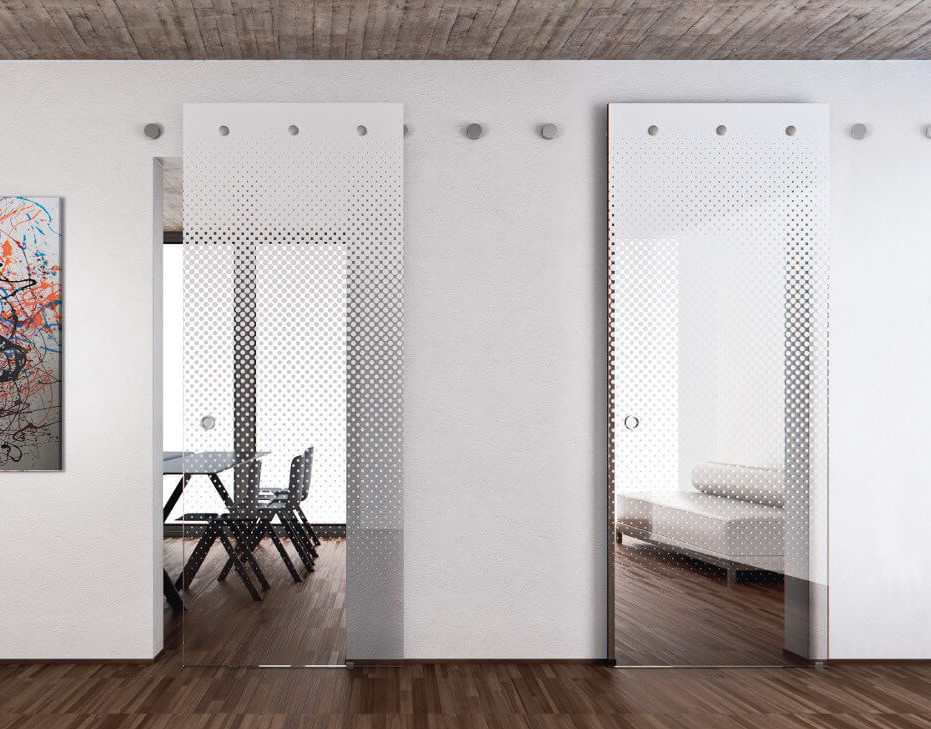
3. Glass Sliding Doors – Allowing Light Flow and Openness
Glass sliding doors are a fantastic option for small spaces that need more light and a sense of openness. Available in clear, frosted, or tinted glass, these doors help visually expand a room while maintaining separation.
Why glass sliding doors are perfect for small apartments:
- Enhance natural light flow – Makes compact spaces feel brighter and more open.
- Maintain privacy with frosted or textured glass – Ideal for bedrooms, bathrooms, or home offices.
- Create a modern and elegant look – Works well with minimalist, Scandinavian, and contemporary designs.
Glass doors eliminate the visual barrier of solid walls, making them an excellent choice for spaces where maximizing light and depth perception is crucial.
The Impact of Color, Texture, and Lighting on Space Perception
One of the most effective ways to make a small space feel larger and more inviting is through the strategic use of color, texture, and lighting. These three elements influence the way we perceive space, creating either a sense of openness or confinement. When it comes to modern interior doors, choosing the right shade, finish, and light-enhancing features can significantly impact the overall look and feel of a room.
How Colors Can Visually Expand a Room
Color is one of the most powerful tools in interior design. It has the ability to manipulate depth, alter perception, and influence mood. When selecting modern interior doors for a small apartment, the right color choice can make a dramatic difference in how spacious the area feels.
Light vs. Dark Doors – When to Use Each
Light-colored doors are the go-to choice for small spaces because they:
- Reflect natural and artificial light, making a room appear brighter.
- Blend seamlessly into neutral-colored walls, reducing visual interruptions.
- Create an airy, open aesthetic, especially in combination with light furniture and flooring.
Shades such as white, beige, soft gray, and pastel tones are excellent for maintaining an expansive, weightless feel.
However, dark doors have their place in small apartments when used strategically. They can:
- Add depth and contrast, making a room feel more refined and sophisticated.
- Work well with light-colored walls, creating a framed effect that draws the eye upward.
- Create a cozy, intimate atmosphere, ideal for bedrooms or reading nooks.
To keep a dark door from overwhelming a space, it’s best to balance it with light-colored flooring and furniture.
The Impact of Neutral Tones in Minimalist Design
Minimalist interiors rely heavily on neutral tones to create a clean, uncluttered aesthetic. Beige, taupe, light gray, and off-white doors seamlessly integrate into this style, allowing other design elements like furniture and lighting to stand out.
- Warm neutrals (cream, soft taupe) create a cozy, inviting feel.
- Cool neutrals (light gray, icy white) give off a modern, sleek appearance.
For those who prefer a minimalist but not monotonous design, slightly textured doors in neutral colors add subtle depth without being distracting.
How Bold Colors Can Serve as Accent Points Without Overwhelming
While bold-colored doors are not commonly used in small apartments, they can serve as a powerful focal point when done correctly. Vibrant hues such as deep blue, emerald green, or mustard yellow can:
- Inject personality and visual interest into a neutral space.
- Act as a statement piece, making the room feel modern and dynamic.
- Define different areas in open-plan apartments by using color to separate spaces.
The key to using bold-colored doors in a small apartment is to balance them with neutral walls, light flooring, and simple furnishings to avoid making the space feel closed-in.
The Role of Texture in Enhancing Small Spaces
Texture is just as important as color when it comes to creating dimension in compact interiors. Different finishes can influence how light interacts with surfaces, impacting how spacious a room feels.
Glossy vs. Matte Finishes – Which Works Best for Compact Areas?
- Glossy doors reflect light, creating the illusion of a larger, brighter space. This makes them ideal for tiny apartments with limited natural light.
- Matte doors absorb light, offering a softer, more sophisticated look but can make a space feel smaller if used in dark shades.
For ultra-small spaces, semi-gloss or satin finishes are a great compromise, as they provide some reflectivity without being overly shiny.
Wood Grain, Glass, and Metal: Playing with Textures for Added Depth
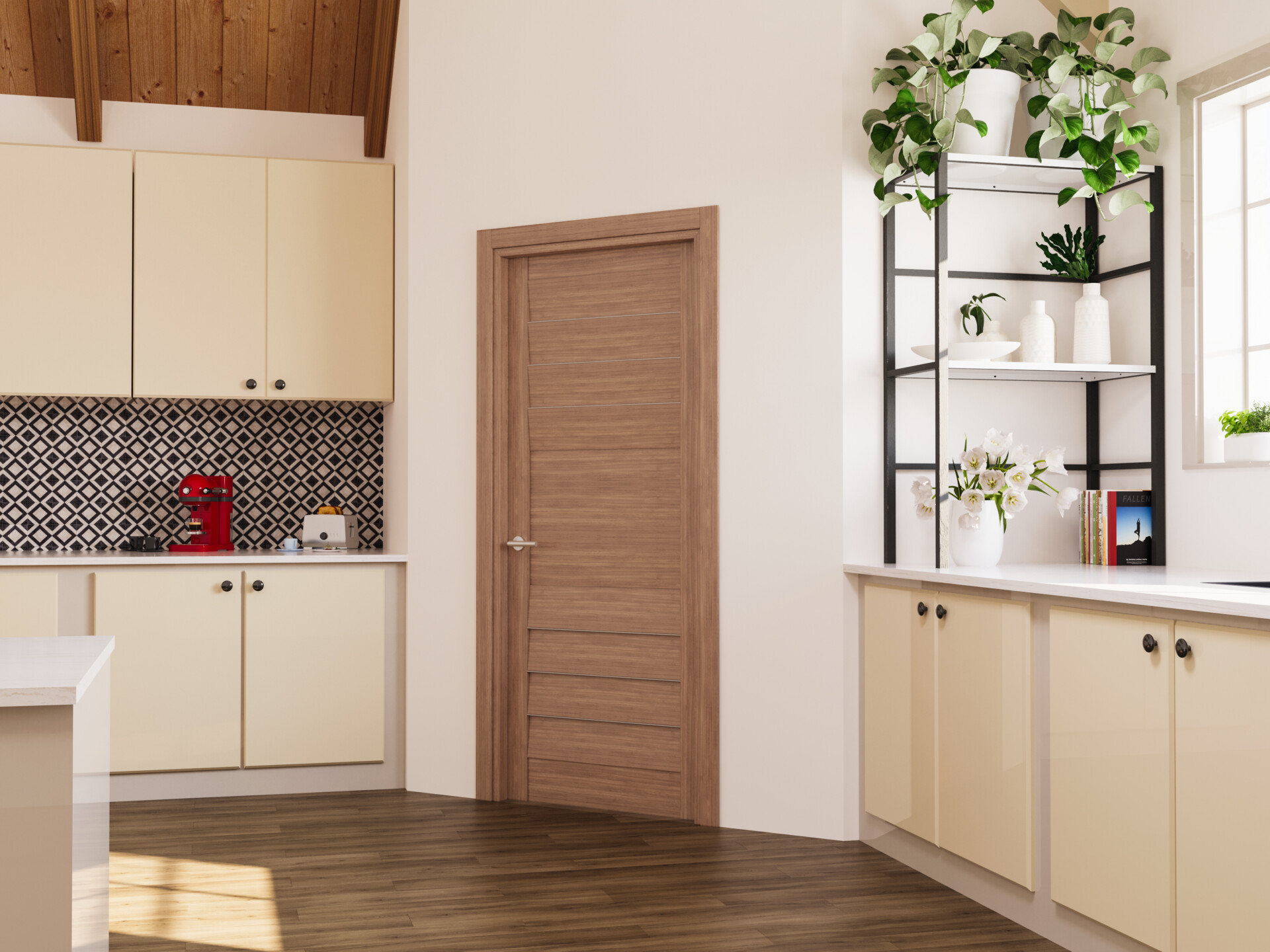
- Wood grain doors add warmth and a natural feel, helping to soften stark interiors. Lighter woods like oak or ash are better for small spaces than darker woods.
- Glass doors (especially frosted or textured glass) allow light to pass through while still offering privacy, making them perfect for bathrooms and home offices.
- Metal accents (such as brushed aluminum or steel handles) add an industrial-chic touch and work well with modern or minimalist spaces.
By mixing different textures, a room gains depth and character without cluttering the visual space.
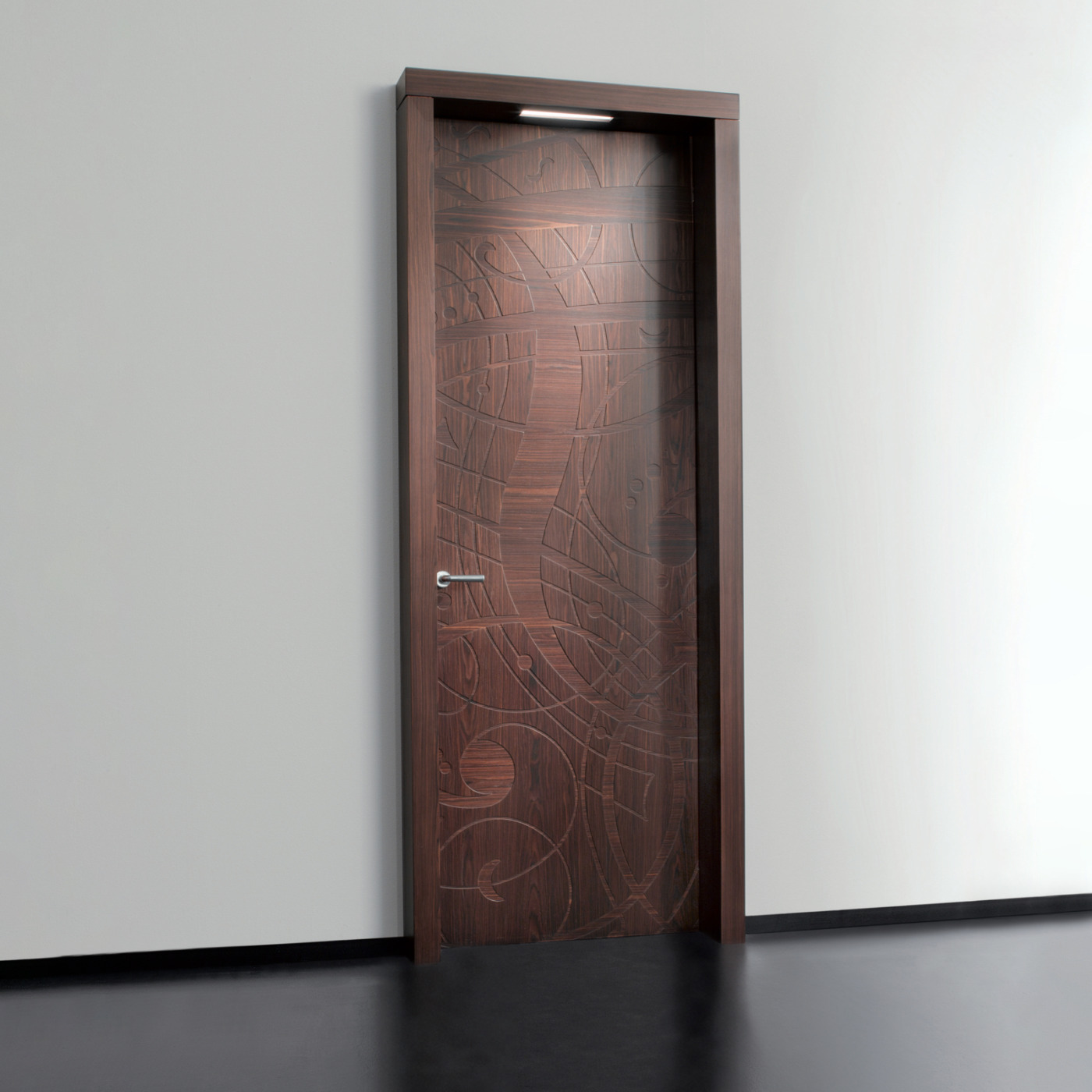
How Proper Lighting Works with Doors to Amplify Space
Lighting is a game-changer in small spaces. The right combination of natural and artificial lighting can make a room feel larger, brighter, and more inviting. Modern interior doors can either block or enhance light flow, depending on their material and placement.
Integrating Doors with Natural and Artificial Light Sources
- Glass-panel sliding doors allow daylight to travel between rooms, reducing the need for additional artificial lighting.
- Frosted or semi-transparent doors provide privacy while still letting in light, creating an airy feel.
- Doors with mirrors or glossy finishes bounce light around the room, enhancing brightness.
Proper door placement also plays a role. Positioning glass or light-reflective doors near a window or light source allows for maximum light diffusion.
Smart Placement of LED Strips and Ambient Lighting
To further enhance the perception of space, homeowners can integrate LED lighting around doors. Some effective techniques include:
- Installing LED strips along the edges of sliding doors for a futuristic, floating effect.
- Placing recessed lighting above or near doorways to create a sense of height.
- Using smart dimmable lights to adjust brightness according to the time of day, making the space feel more dynamic.
Reflective Surfaces – Maximizing Brightness with Glass Panels
For extremely small spaces, using mirrored sliding doors or high-gloss glass panels can double the perceived depth of a room. These doors act as both functional partitions and visual expanders, making them an excellent choice for hallways, bedrooms, and closets.
Smart Door Placement and Layout Strategies
Even the most well-designed modern doors need to be strategically placed to maximize their impact in a small apartment. The right placement can enhance flow, improve accessibility, and create a sense of openness. Whether you’re working with sliding doors, glass partitions, or multi-functional doors, understanding the best layout strategies is essential to making the most of limited square footage.
Optimal Placement of Sliding Doors for Seamless Flow
Sliding doors work best when they enhance the natural movement within a home. Proper placement ensures minimal obstruction, improved accessibility, and an uninterrupted flow between spaces.
Best Placement Strategies for Sliding Doors:
- Between the bedroom and closet: A sliding door here allows easy access to storage without blocking furniture placement.
- In small kitchens: Sliding doors separating a kitchen from a living area keep cooking smells contained while preserving a sense of openness.
- For bathrooms in tight spaces: A sliding pocket door in a small bathroom eliminates the issue of a swinging door taking up valuable floor space.
- For balconies or terraces: Large glass sliding doors leading to a balcony bring in natural light, making a small living space feel larger and more connected to the outdoors.
The key is to align the sliding door with the flow of movement in a home, ensuring that it doesn’t create unnecessary barriers or disruptions.
Zoning Open-Plan Areas Using Glass Partitions
Open-plan living is popular in small apartments because it creates a more spacious and breathable layout. However, sometimes it’s necessary to separate different functional areas while maintaining a feeling of openness.
How Glass Partitions Help in Zoning:
- Dividing a studio apartment: A glass sliding partition can separate the sleeping area from the main living space while allowing light to pass through.
- Creating a dedicated home office: With more people working remotely, a frosted glass partition can create a semi-private workspace without making the apartment feel cramped.
- Zoning the dining area: In compact homes, a glass partition between the kitchen and dining space helps contain cooking odors while preserving an open feel.
Glass partitions avoid the boxed-in effect of solid walls, making them one of the best ways to define spaces without sacrificing airiness.
Multi-Functional Doors with Hidden Storage or Mirror Panels
In small apartments, multi-functional furniture is key to maximizing efficiency—and doors are no exception. Innovative modern doors now come with built-in features like hidden storage, mirrors, or even fold-out desks.
Popular Multi-Functional Door Solutions:
- Mirror-paneled sliding doors – Perfect for closets or entryways, making the space look larger while adding functionality.
- Hidden storage doors – Designed with built-in shelving or compartments for extra storage in bedrooms or bathrooms.
- Fold-out desk doors – A creative solution for home offices, where a door can double as a workspace when needed.
By incorporating these dual-purpose designs, homeowners can save space while adding practicality to their interiors.
Modern Interior Door Trends for Small Homes
Small-space design is constantly evolving, and modern interior door trends are now focused on minimalism, flexibility, and smart technology. Here are some of the most popular door innovations that enhance both function and aesthetics in compact homes.
Minimalist Doors with Concealed Frames for a Sleek Aesthetic
One of the most sought-after trends in modern home design is flush doors with concealed frames, offering a seamless, ultra-modern look. These doors are designed to blend into the wall, making them ideal for minimalist spaces where visual clutter needs to be reduced.
Benefits of Concealed-Frame Doors:
- They create a clean, uninterrupted wall surface.
- They work well with monochrome or neutral color schemes, maintaining a harmonious look.
- They are perfect for hidden storage rooms or minimalist bedrooms.
For a truly modern aesthetic, pairing a concealed-frame door with a matte or high-gloss finish can enhance the perception of space while keeping the design ultra-sleek.
Pivot Doors for Tight Spaces That Need a Unique Solution
Pivot doors offer a unique alternative to traditional swinging doors while still saving space. Instead of hinges, pivot doors rotate on a central or off-center axis, allowing for a smoother, more flexible opening.
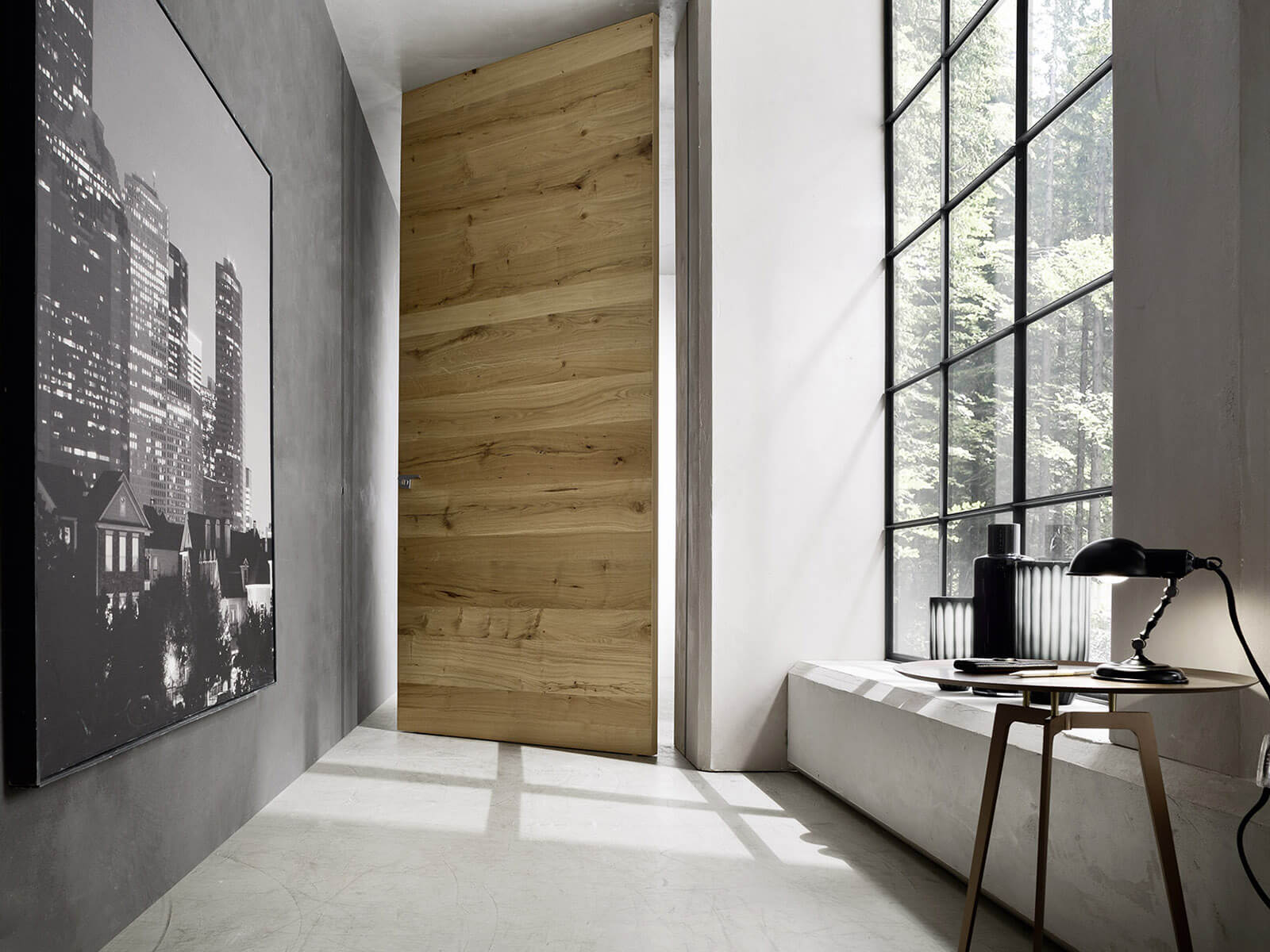
Why Pivot Doors Work in Small Homes:
- They require less clearance space than traditional hinged doors.
- Their modern, sculptural design adds a unique architectural element.
- They can be made extra-wide, acting as a statement piece in contemporary homes.
Pivot doors work especially well in entryways, small bedrooms, and areas where a swinging door would be impractical.
Folding and Bi-Fold Doors – Best for Flexible Room Division
For those who need occasional separation between rooms, folding and bi-fold doors provide a flexible and space-efficient solution. Unlike traditional doors, these doors collapse into themselves, taking up minimal room when open.
Best Uses for Folding Doors in Small Apartments:
- Separating the bedroom from the living space in a studio.
- Closing off a small kitchen when needed.
- Partitioning a bathroom without sacrificing space.
Bi-fold doors offer a compromise between solid partitions and open layouts, making them perfect for dynamic living spaces.
Smart Doors with Automation – The Future of Space-Saving Solutions
As home technology advances, smart doors are becoming increasingly popular in modern interior design. These doors incorporate automation, voice control, and smart locks to offer enhanced convenience.
Smart Door Features That Work for Small Spaces:
- Motorized sliding doors – Open and close automatically, ideal for small apartments where manual operation might be cumbersome.
- App-controlled doors – Homeowners can remotely lock/unlock doors or program them to open at specific times.
- Integrated lighting – Some smart doors come with built-in LED lighting to create a more open, high-tech atmosphere.
As technology continues to evolve, smart doors will likely become a standard feature in modern, space-conscious homes.
Modern interior doors have evolved far beyond their traditional function of separating rooms—they now serve as key design elements that enhance space efficiency, optimize lighting, and elevate the overall aesthetic of small apartments. By carefully selecting space-saving options like sliding doors, pivot doors, and folding partitions, homeowners can maximize every inch of their living space while maintaining a stylish and functional environment.
The right color, texture, and lighting further influence how space is perceived, allowing compact rooms to feel larger, brighter, and more open. Glass partitions, concealed-frame doors, and smart automated systems are modern innovations that redefine how doors interact with living spaces, making them an essential part of contemporary home design.
If you’re looking to transform your small space with premium-quality modern doors, ITALdoors offers a curated selection of luxury sliding doors, minimalist concealed-frame designs, and high-end finishes tailored to your interior needs. Rethink your space—discover the perfect modern interior door today at ITALdoors!