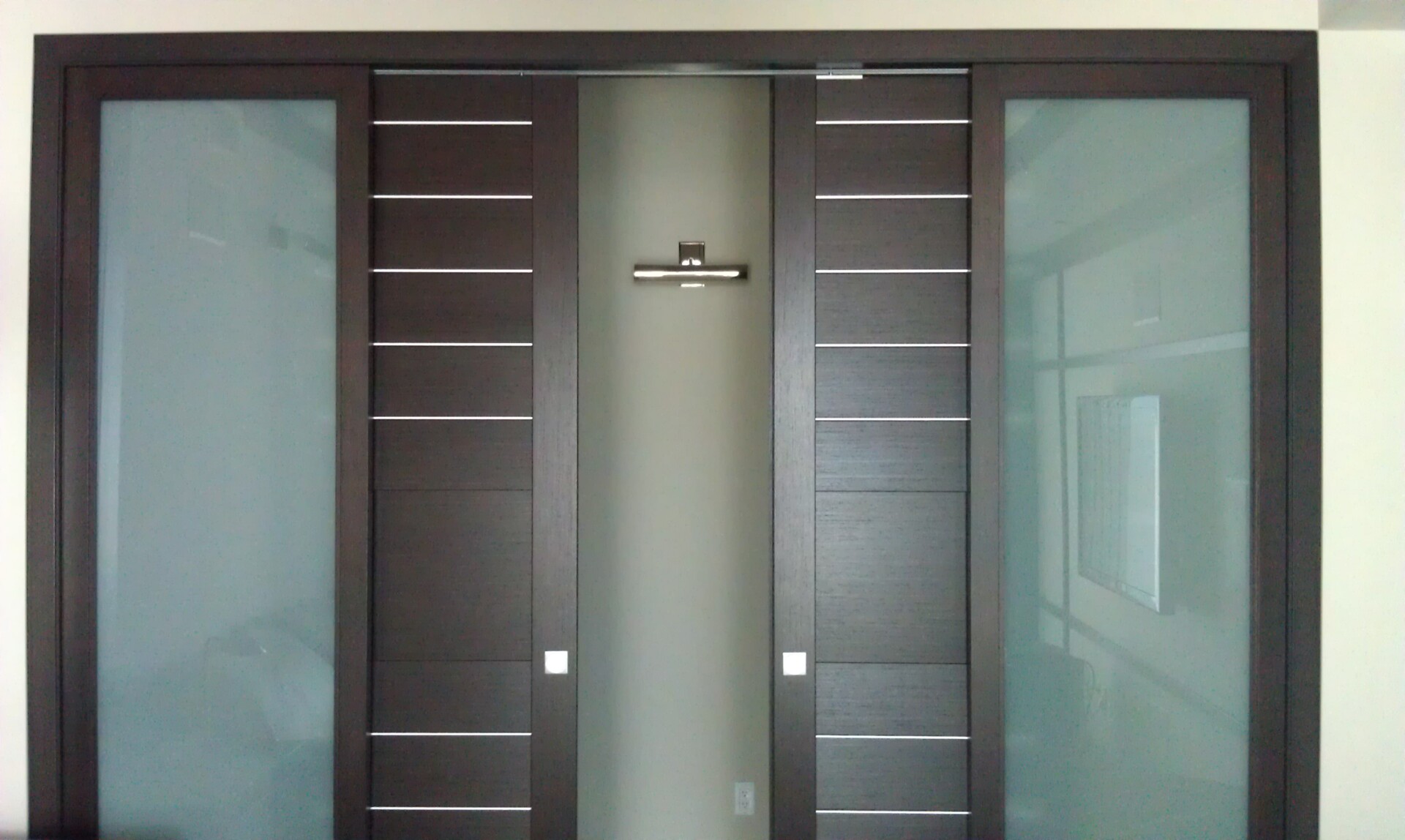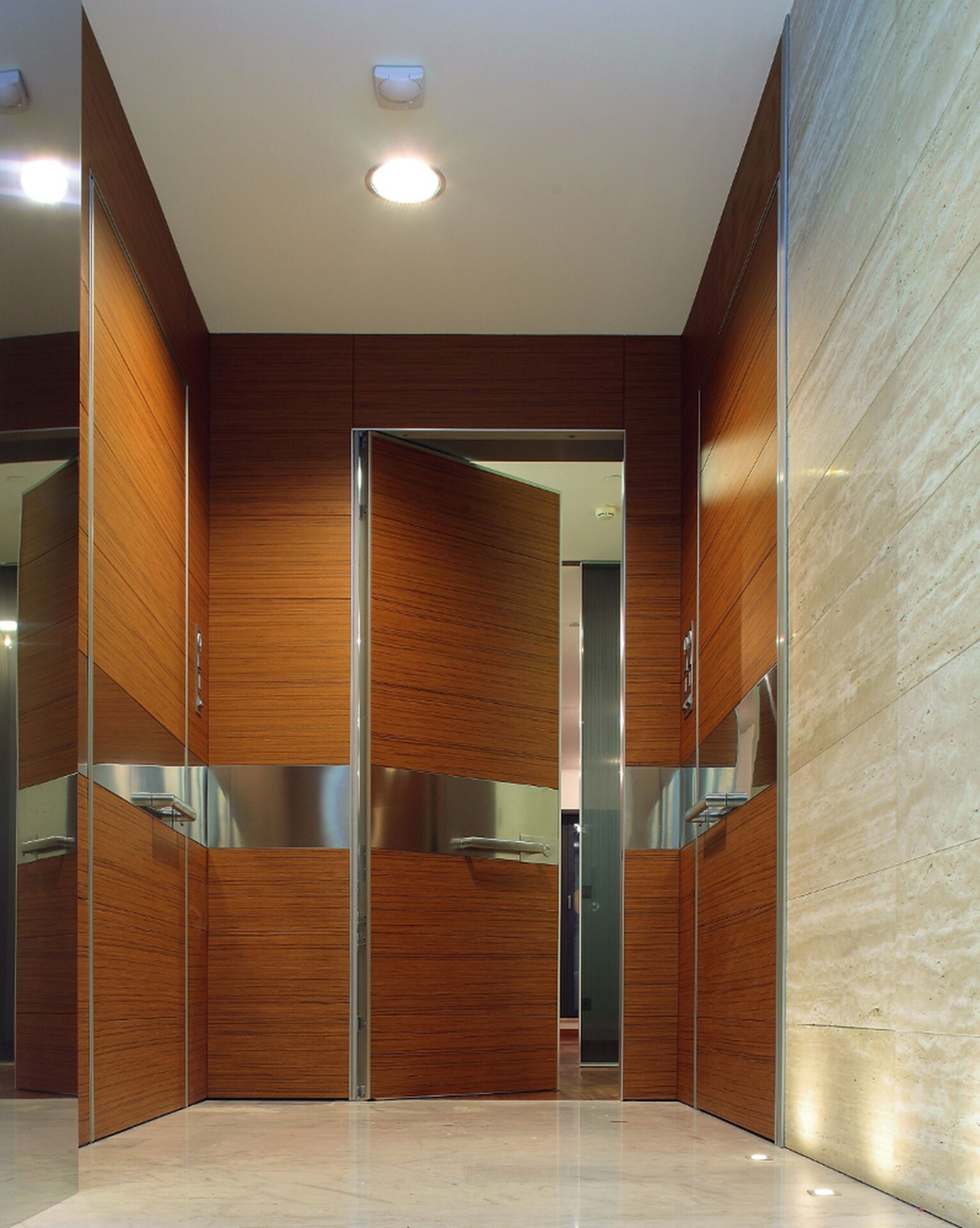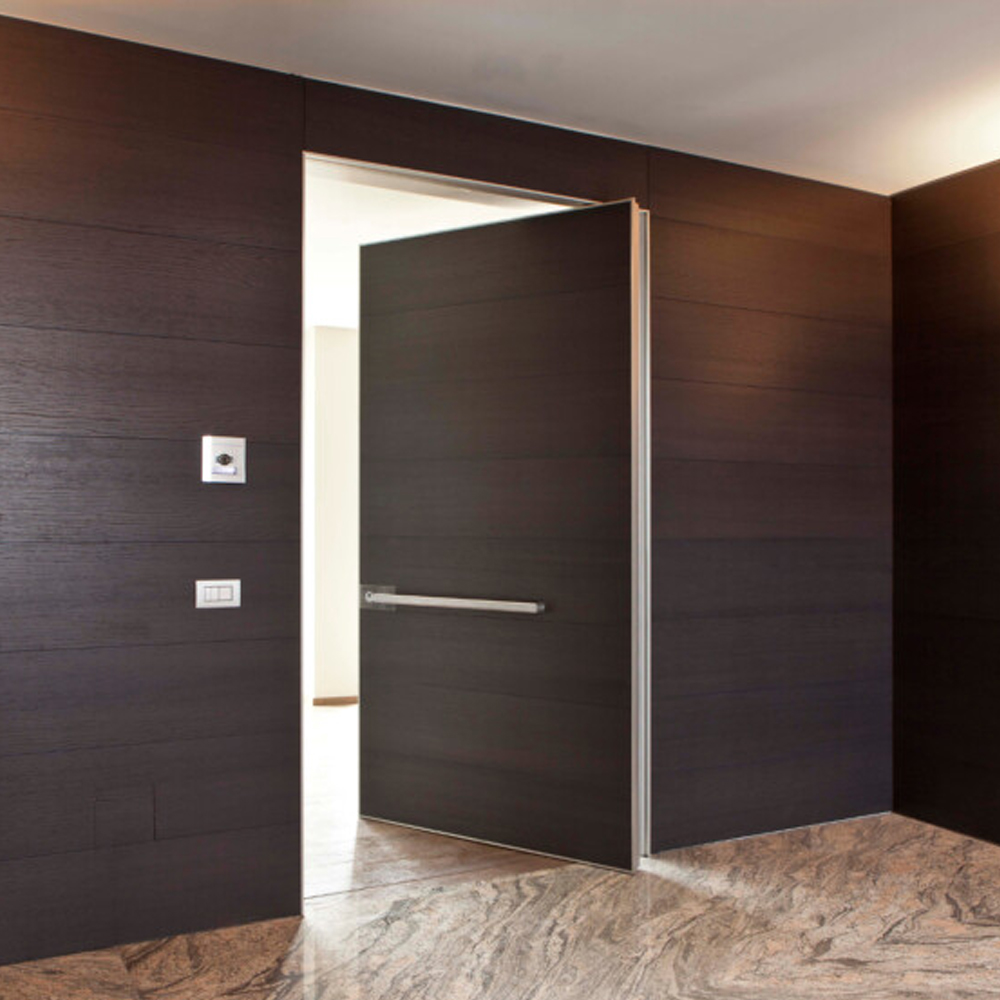
Interior doors are no longer treated as plain background elements; in modern homes, especially luxury residences, condos, waterfront properties, and designer-led remodels, they shape the atmosphere of a room as much as flooring, lighting, cabinetry, or wall finishes. For homeowners who want warmth, depth, and a more refined alternative to plain white, grey, or light wood doors, walnut interior doors offer a richer architectural look, while ITALdoors provides Italian doors in Miami through complete door packages, in-stock options, local guidance, and special-order solutions for more tailored projects.
Why Walnut Is the Luxury Door Wood of 2026
Walnut has become one of the most desirable wood looks in luxury interiors because it gives a space something that many minimalist homes have been missing: warmth with structure. It is not chosen only because it is darker than oak, ash, or white lacquer. It is chosen because it brings visual depth, natural movement, and a sense of permanence without making the interior feel old-fashioned.
In 2026, modern interior design is moving away from cold minimalism and toward spaces that feel more tactile, layered, and personal. White walls, smooth stone floors, frameless glass, slim lighting, and clean architectural lines are still important, but homeowners increasingly want those elements balanced with materials that feel warmer and more grounded. Walnut fits this direction perfectly because it adds character without adding visual noise.
A walnut door can make a room feel more intentional before any furniture is added. In a hallway, it can turn a sequence of plain openings into an architectural rhythm. In a living area, it can create contrast against pale walls. In a bedroom suite, it can make the entry feel quieter, more private, and more refined. In a home office, it can give the space a more serious and executive presence.
That is why walnut doors are especially effective in projects where the door should not disappear completely. A flat white door may keep the wall visually quiet, but a walnut door can become part of the design language of the home. It gives the room weight, but when used with a clean profile, concealed hinges, and modern hardware, it still feels contemporary.
Walnut works particularly well in:
- Modern Miami condos with white walls, large-format tile, and stone flooring
- Waterfront homes where natural materials soften glass, metal, concrete, and bright daylight
- Luxury renovations where the doors need to feel selected, not builder-grade
- Transitional interiors that need a bridge between classic warmth and modern simplicity
- Commercial spaces, private offices, showrooms, and boutique interiors where first impressions matter
The main advantage of walnut is balance. It can be dramatic, but it does not have to be heavy. It can be luxurious, but it does not need ornate moldings or decorative panels to prove it. It can be warm, but it still works with sharp contemporary architecture.
This is also where ITALdoors’ approach becomes important. The company does not treat doors as isolated slabs selected at the end of a project. A door system affects privacy, acoustics, circulation, hardware alignment, wall details, finish coordination, and the overall look of the interior. With authentic Italian manufacturing, modern finishes, complete systems, and faster project timelines than many fully custom alternatives, ITALdoors helps homeowners, architects, designers, and builders use walnut doors as a deliberate design feature rather than a late-stage compromise.
For many homeowners, the appeal of walnut is simple: it makes a space look more finished. It has enough character to stand on its own, but enough restraint to work inside a modern home. That is why walnut interior doors are becoming a signature luxury choice for 2026.
The Look of Walnut: Tone, Grain & Character
Choosing walnut is not the same as choosing “a dark door.” Walnut has a specific visual personality, and understanding that personality is essential before deciding whether it belongs in your home. The best walnut doors are not flat brown surfaces. They have tone variation, grain movement, and a natural depth that changes depending on light, finish, and surrounding materials.
Walnut tone: warm, deep, and architectural
Walnut usually sits in the medium-to-dark brown family, but it is far more layered than a simple dark finish. Depending on the veneer, cut, finish, and lighting, walnut may show chocolate brown, coffee, caramel, grey-brown, or subtle golden undertones. This variation is part of its appeal. It gives the door a more natural and expensive look than a plain painted dark surface.
A true walnut look should not be confused with black, espresso, wenge, or painted dark brown. Those finishes can be beautiful in the right setting, but they create a different effect. Black feels graphic and bold. Espresso can feel very formal. Wenge often feels dense and dramatic. Walnut, by contrast, has warmth and movement. It brings contrast, but it does not feel as severe as a black or near-black door.
This distinction matters for homeowners searching for dark wood interior doors. Many people want a darker door because they want contrast, but they do not necessarily want the room to feel heavy. Walnut is often the better choice because it gives the eye something natural to read. The grain breaks up the surface, softens the darkness, and makes the door feel more connected to furniture, flooring, cabinetry, and architectural details.
In a white or cream interior, walnut can create a clean and confident contrast. In a beige, greige, or taupe interior, it can feel warmer and more blended. In a modern grey interior, walnut can prevent the space from feeling too cold. In a room with stone, porcelain, or concrete, it introduces an organic element that makes the design feel more complete.
Walnut grain: why it feels premium
Walnut grain is one of the main reasons it feels premium. It can be straight, flowing, wavy, or lightly figured, but it usually reads as elegant rather than rustic. Unlike knot-heavy woods, walnut does not need obvious imperfections to feel natural. Its character is more refined, which makes it especially suitable for luxury interiors and modern Italian door profiles.
In minimalist homes, this matters. A highly rustic wood can fight against clean architecture, while a completely flat surface can feel too plain. Walnut sits between those extremes. It has enough visual movement to feel rich, but not so much texture that it overwhelms the room.
The direction of the grain also affects the final look. Vertical grain can make a door feel taller, slimmer, and more architectural. This is especially useful in homes with higher ceilings, long corridors, or floor-to-ceiling design elements. A vertical grain walnut door can visually stretch the opening and make the wall feel more elevated.
Horizontal grain creates a different effect. It can make the door feel wider, more contemporary, and more relaxed. In certain modern interiors, especially those with long horizontal cabinetry, wide wall panels, or low-profile furniture, horizontal grain can create strong visual continuity.
Consistency becomes especially important when multiple doors appear in the same hallway. If every door has a different grain direction, tone, or visual intensity, the hallway can feel busy. When the doors are coordinated, walnut creates rhythm. The result feels planned, not accidental.
That is one reason professional guidance matters. Choosing walnut is not only about selecting a color. It is about understanding how the surface will repeat across the home, how it will relate to the walls, and whether the grain direction supports the architecture.
How lighting changes the appearance of walnut
Walnut changes noticeably in different lighting conditions. In a bright room with large windows, it can feel warm, balanced, and natural. In a darker hallway, the same walnut door may feel deeper, heavier, and more dramatic. Under warm artificial lighting, walnut can look richer and more amber. Under cooler lighting, it may appear more grey-brown or subdued.
This is why choosing walnut from a single online image can be misleading. A photo may show the door in ideal lighting, but your home has its own conditions. Wall color, flooring, ceiling height, window placement, and artificial light temperature all affect how walnut appears.
For example, walnut beside white marble may look crisp and luxurious. Walnut beside dark flooring may feel more formal and enclosed. Walnut near warm beige walls may feel soft and residential. Walnut in a narrow hallway with weak lighting may need lighter surrounding surfaces to keep the space from feeling too compressed.
The best approach is to treat walnut as part of a full palette, not as a standalone finish. Look at it next to flooring samples, wall colors, trim colors, cabinetry, and hardware. If possible, view it in person before making the final decision.
This is one of the practical advantages of working with ITALdoors in Miami. Clients can visit the showroom, compare finishes, discuss their interior concept, and receive guidance instead of guessing from a screen. For homeowners, that reduces uncertainty. For designers, architects, and builders, it helps avoid specification mistakes that can affect the entire project.
Natural Walnut Veneer vs. Matte & Stained Finishes
Special-order finishes for project-specific design
Some projects need more than a standard finish. A homeowner may want walnut that matches cabinetry. A designer may need a specific veneer direction. A builder may need the doors to coordinate with a larger package of wall panels, closet fronts, or architectural hardware. In these cases, special-order options can make the difference between a door that is close enough and a door that is truly integrated into the design.
ITALdoors offers standard in-stock finishes that may include walnut and other popular tones, while special-order doors with custom veneer, lacquer, or laminate finishes may be available depending on the project requirements. This is important for homes where the door finish has to coordinate with a precise design concept rather than simply fill an opening.
Special-order options are especially useful for larger renovations, luxury homes, designer-led interiors, and commercial spaces where the door package needs to support a consistent visual identity. The benefit is not only aesthetic. When the right finish, size, configuration, hardware, and system are selected together, the project is easier to control and the final result feels more intentional.
| Walnut door option | What it offers | Best for | Design consideration |
|---|---|---|---|
| Walnut veneer door | Delivers the visual warmth, grain movement, and depth of walnut while using an engineered door structure for better stability. | Luxury homes, Miami interiors, condos, multifamily projects, and spaces where natural wood character must also feel practical. | A strong choice when you want the walnut look without relying on a fully solid wood slab that may move more in changing conditions. |
| Matte walnut finish | Softens the depth of the wood, reduces glare, and gives the door a calmer, more architectural appearance. | Minimalist interiors, luxury condos, white walls, stone floors, microcement, large-format tile, and clean modern spaces. | Works well when the goal is understated luxury rather than shine, reflection, or a highly decorative surface. |
| Darker stained walnut | Adds more drama, formality, and visual weight while keeping the natural warmth associated with walnut. | Private offices, media rooms, wine rooms, primary suites, formal corridors, and high-contrast modern interiors. | Needs enough lighting, lighter surrounding surfaces, or balanced hardware so the space does not feel too heavy. |
| Lighter or warmer walnut tone | Creates a softer, more residential walnut look with less contrast than very dark stained finishes. | Bedrooms, family homes, transitional interiors, lighter flooring, and spaces that need warmth without too much drama. | Best when coordinated with wall color, flooring, cabinetry, and hardware so the walnut tone feels intentional. |
| Custom walnut or special-order finish | Allows the door finish, veneer direction, lacquer, laminate, or tone to be tailored to a specific project concept. | Designer-led interiors, luxury renovations, commercial spaces, custom homes, and projects that need exact finish coordination. | Ideal when walnut must match cabinetry, wall panels, closets, flooring, or a larger architectural material palette. |

Styling Walnut Doors with Light and Dark Interiors
Walnut is one of the most flexible luxury wood looks, but it has to be styled with intention. The same door can feel bright and elegant in one space, dramatic and formal in another, or too heavy if placed in the wrong surrounding palette. The question is not only whether walnut is beautiful. The better question is whether walnut supports the mood, light, and architecture of your home.
Walnut doors with light interiors
Walnut is one of the strongest choices for light interiors because it creates contrast without feeling harsh. Against white, cream, warm beige, greige, or pale stone surfaces, walnut becomes a focal point that makes the room feel more designed. It gives the eye a place to land.
In many modern homes, light interiors can sometimes feel unfinished if every surface is pale. White walls, white ceilings, light floors, and simple trim can create openness, but they may also lack depth. Walnut solves that problem by adding warmth and visual weight.
This is especially effective in Miami interiors where bright daylight, white walls, and stone floors are common. A walnut door can soften the brightness and make the space feel more luxurious. It brings natural contrast without pushing the design into a heavy traditional style.
Strong pairings include:
- White walls with walnut doors and black or brushed metal hardware
- Cream walls with walnut doors and warm metallic accents
- Light oak floors with walnut doors for layered natural contrast
- White marble or porcelain floors with walnut doors for a polished Miami look
- Pale grey walls with walnut doors to reduce the coldness of the palette
The most successful light interiors repeat the walnut tone somewhere else in the room. That could be in furniture legs, built-in shelving, a vanity, cabinetry, stair details, picture frames, or accent panels. This repetition makes the walnut door feel connected to the design rather than added at the end.
A single walnut door in a very light room can still work, especially if the goal is to create a feature. But when walnut appears in several doors across the home, the effect becomes more architectural. It gives the interior a stronger rhythm and makes the entire home feel more custom.
Walnut doors with dark interiors
Walnut can also work beautifully in darker interiors, but it requires more balance. If the walls, floors, furniture, and doors are all dark, the result can feel luxurious, but it can also become too heavy if there is not enough light, texture, or contrast.
In a dark office, walnut can feel executive and intimate. It works well with leather seating, dark shelving, warm lighting, and stone accents. In a media room, walnut can feel cinematic and quiet, especially when the goal is a more enclosed atmosphere. In a primary suite, it can create a calm and private feeling.
However, a dark hallway with several walnut doors may need lighter walls, better lighting, or reflective surfaces to avoid feeling narrow. Mirrors, glass, lighter trim, pale artwork, or strategic ceiling lighting can help balance the depth of the wood.
The goal is to make walnut feel deliberate, not visually heavy. A dark interior can support walnut if there is enough contrast between materials. For example, walnut beside dark stone may need lighter walls. Walnut beside charcoal walls may need warm lighting and metal accents. Walnut beside dark floors may need a rug, pale furniture, or lighter ceiling treatment to open the space.
Texture also matters. A room with dark walls and dark walnut doors can feel flat if all surfaces are smooth. Adding fabric, natural stone, textured wall finishes, glass, or soft lighting can make the darkness feel layered rather than closed in.
Walnut in modern and transitional interiors
Walnut works in both modern and transitional interiors, but the door profile should match the design direction. In modern interiors, walnut looks best when the door is clean, simple, and architectural. Flat panels, concealed hinges, magnetic locks, flush systems, pocket doors, sliding systems, and minimal hardware all allow the walnut surface to speak without adding unnecessary detail.
This is where modern interior doors in Miami become especially relevant. A modern walnut door does not need raised panels, ornate trim, or decorative carving. Its luxury comes from proportion, finish, alignment, and material presence.
In transitional interiors, walnut can soften the architecture while still keeping the home elevated. It works well with warm neutrals, stone, classic millwork, soft fabrics, and mixed metal finishes. The key is restraint. Walnut already has character, so the surrounding details should support it rather than compete with it.
For homeowners who want a timeless but current look, walnut is often the safest dark wood choice. It is richer than light oak, warmer than grey, more natural than black, and more refined than many generic dark brown finishes. When paired with the right door system, walnut can make the whole interior feel more complete.
Walnut vs. Oak: Which Suits Your Home?
Walnut and oak can both look beautiful in modern interiors, but they do very different jobs. The right choice depends less on which wood is “better” and more on what kind of atmosphere you want the door to create.
Walnut is usually the stronger choice when the door needs to add depth, contrast, warmth, and a clear luxury signal. Oak is usually the better choice when the room needs to stay lighter, more open, and more relaxed. Both can work in high-end interiors, but they should not be treated as interchangeable.
Choose walnut when you want richness and contrast
Walnut is the better direction when the design needs more presence. It naturally draws the eye, especially against white walls, pale stone floors, cream interiors, or minimalist architecture. This is why walnut interior doors are often used when the door is meant to feel like part of the architectural design, not just a functional divider.
A walnut door can make a plain hallway feel more finished. It can give a primary bedroom a quieter, more private atmosphere. It can make a home office feel more serious and refined. In an open-plan home, it can create a stronger visual transition between spaces without requiring decorative trim or heavy detailing.
Walnut works especially well for:
- Luxury condos where clean lines need a warmer material contrast
- Formal living areas where the door should feel more elevated
- Primary bedrooms and suites that need privacy, warmth, and depth
- Private offices where the atmosphere should feel polished and focused
- High-contrast modern interiors with white, cream, stone, or neutral palettes
- Homes where the door is intended to become a premium architectural feature
The key advantage is that walnut creates luxury without needing ornament. A clean slab walnut door with modern hardware can often look more sophisticated than a heavily detailed door in a lighter or more decorative finish.
Choose oak when you want brightness and natural simplicity
Oak usually creates a lighter, more casual, and more open feeling. Depending on the finish, it can lean Scandinavian, coastal, organic modern, or soft transitional. It is often a strong choice when the homeowner wants visible wood grain but does not want the door to create strong contrast.
Oak can be especially useful in rooms where the goal is airiness rather than drama. It pairs well with pale interiors, light flooring, soft neutrals, and natural textures. Because oak often feels brighter than walnut, it can help keep smaller rooms and darker hallways from feeling visually heavy.
This article focuses on walnut, so the oak comparison should stay simple: oak is usually about brightness, natural simplicity, and easy warmth. For a deeper look at styles, finishes, and use cases, ITALdoors also has a dedicated guide to oak interior doors.
The practical design decision
The easiest way to decide is to ask what you want the door to do visually.
Choose walnut if you want the door to create contrast, depth, and a stronger luxury impression. Choose oak if you want the door to keep the room light, natural, and relaxed. Walnut makes the space feel more grounded and architectural. Oak makes the space feel more open and easygoing.
Neither choice is automatically more modern. A walnut door can look extremely contemporary when used in a flat panel profile with concealed hinges and minimal hardware. Oak can also look modern when the finish is clean and the grain is controlled. The difference is mood: walnut feels richer and more dramatic, while oak feels brighter and more casual.
For Miami homes, the decision often comes down to balance. If the home already has a lot of white, glass, stone, or pale flooring, walnut can add needed warmth. If the home is smaller, darker, or already filled with dark furniture, oak may keep the space lighter. The best choice is the one that supports the entire interior palette, not just the door opening.
Caring for Walnut Doors in Humid Climates
Walnut doors can work beautifully in Miami and South Florida homes, but humidity should always be taken seriously. Interior doors are more protected than exterior doors, yet they still respond to indoor conditions, installation quality, ventilation, and long-term maintenance.
A well-made door system gives you a stronger starting point, but even the best walnut door should be treated as part of a complete interior environment. Climate control, proper installation, careful cleaning, and early attention to small issues all help preserve the door’s appearance and performance.
Why humidity matters
South Florida homes often deal with humidity, coastal air, strong sun exposure, air conditioning, and seasonal moisture changes. These conditions can affect interior materials over time, especially if the home has poor ventilation, leaking windows, moisture near bathrooms, or irregular indoor climate control.
Walnut interior doors are not exposed to the same conditions as entry doors, but they still need normal indoor stability. Large swings in moisture and temperature can affect wood, veneer, frames, and hardware alignment. This is why door quality and installation matter so much.
Engineered Italian door construction can help support stability, especially compared with poorly made, improperly stored, or badly installed doors. ITALdoors’ interior doors are made with construction methods designed for normal temperature-controlled conditions, which helps reduce the risk of common movement issues when the door is used correctly.
However, no wood or wood-look door should be exposed to uncontrolled moisture, leaks, direct water contact, or extreme indoor climate swings. A walnut veneer door can be a practical and stable option, but it still needs the right environment.
How to protect walnut interior doors
The best care routine is simple. Walnut does not need aggressive cleaning or complicated maintenance, but it does need consistency. The goal is to protect the finish, avoid unnecessary moisture exposure, and keep the door operating smoothly.
Use these practical care habits:
- Maintain normal indoor temperature and humidity levels
- Avoid direct water exposure near bathrooms, laundry rooms, and coastal entries
- Use proper ventilation in humid rooms
- Clean the door with a soft cloth instead of abrasive pads
- Avoid harsh chemicals that can damage the finish
- Make sure hardware is aligned and the door is installed correctly
- Address leaks, swelling, sticking, or rubbing early instead of forcing the door
A common mistake is treating a sticking door as something that simply needs more pressure. If a door begins to rub, drag, or close unevenly, the issue may be related to hardware alignment, humidity, wall movement, or installation details. Forcing the door can make the problem worse and damage the finish or hardware.
Cleaning should also be gentle. A soft, dry or slightly damp cloth is usually the safest approach for routine dust and fingerprints. Strong solvents, abrasive cleaners, and excessive water can dull or damage the surface. If the door has a specific finish, it is always better to follow the care guidance provided for that finish rather than using generic wood cleaners.
Why complete door systems matter
Long-term performance is not only about the slab. A door is a system. The slab, frame, casing, concealed hinges, magnetic lock, handle, wall opening, and installation all affect how the door looks and functions.
This is one of the major benefits of working with a complete door package rather than mixing parts from different sources. When the frame, casing, hinges, lock, and handle are designed to work together, the result is cleaner visually and more predictable technically.
ITALdoors interior door packages can include the door slab, frame, casing, concealed hinges, magnetic lock, and handle. For homeowners, that means fewer decisions and a more coordinated final look. For builders, designers, and architects, it helps reduce the risk of mismatched components, hardware conflicts, and installation delays.
This matters even more with walnut because the finish has strong visual presence. If the slab looks beautiful but the frame, casing, or hardware feels poorly matched, the final result loses some of its luxury effect. A complete system helps the walnut door feel intentional from edge to edge.
Walnut Door Options from ITALdoors
Walnut is a premium design choice, but the buying process should not feel uncertain. The finish, door type, hardware, timeline, and installation details all need to work together. ITALdoors helps homeowners and professionals choose walnut doors with the support of Italian manufacturing, local Miami inventory, design guidance, complete packages, and transparent project planning.
This is especially useful for projects where the doors cannot become a delay. In luxury homes, condos, multifamily projects, and commercial interiors, doors are connected to trim work, flooring, paint, wall openings, hardware, and final installation schedules. A beautiful walnut door only solves the design problem if it also fits the construction process.
In-stock Italian interior doors with walnut finish options
ITALdoors offers interior doors designed for everyday residential and commercial spaces. These doors are not just decorative surfaces. They support privacy, acoustics, natural light control, room separation, and the overall architectural rhythm of the home.
Standard finish options include walnut, light oak, grey, light grey, mahogany in limited quantities, matte white, linen ice, linen grey, and wenge. This gives homeowners and designers the ability to compare walnut against lighter, cooler, darker, and more neutral alternatives before making the final decision.
ITALdoors also offers several door configurations, including:
- Single swing doors
- Double swing doors
- Pocket doors
- Wall mount sliding doors
- Double bypass sliding closet doors
- Double magnet closet doors
- Flat panel doors
This range matters because walnut is not limited to one type of opening. It can be used for a bedroom, office, hallway, closet, bathroom transition, or large passage opening depending on the configuration. A walnut swing door may create a classic architectural moment, while a walnut sliding or pocket door can bring the same warmth into a space where swing clearance is limited.
Modern walnut doors for clean architectural interiors
Walnut is especially effective in modern door profiles because the wood itself provides enough character. The design does not need excessive trim, raised panels, or decorative carving. A clean flat surface, controlled grain, concealed hinges, and a simple handle can make the door feel more luxurious than a heavily decorated alternative.
The ITALdoors modern collection is especially relevant for homeowners who want walnut to feel current rather than traditional. Modern walnut doors work well with flush looks, flat panel designs, pocket systems, sliding systems, and coordinated frames.
This is where proportion and detail matter. A modern walnut door should feel clean and deliberate. The frame should not look like an afterthought. The casing should coordinate with the room. The hardware should support the design rather than distract from it. The opening should be measured and planned correctly so the finished door looks integrated into the wall.
Walnut can also be used in a more subtle way. Not every walnut door has to be a dramatic feature. In a home with pale walls and simple finishes, walnut doors can create a calm rhythm throughout the hallway. In a luxury condo, they can help connect the entry, bedrooms, closets, and private spaces into one consistent design language.
Why homeowners, builders, and designers choose ITALdoors
ITALdoors is a strong fit for walnut door projects because the company addresses the frustrations that often come with premium doors: long waits, unclear pricing, uncertain availability, and lack of design support.
The strongest advantages include speed, authenticity, predictability, and complete service. Many custom door projects can take months, especially when materials, finishes, and hardware are ordered separately. ITALdoors offers premium Italian interior door options with faster timelines for many in-stock selections, depending on availability and project scope.
The in-stock advantage is especially important. Popular styles and sizes available locally can help reduce uncertainty and keep the project moving. This matters for homeowners trying to finish a renovation, builders managing deadlines, and designers who need confidence when specifying finishes.
ITALdoors also provides authentic Italian quality, not imitation European styling. The doors are manufactured in Italy and supported locally through the Miami showroom, site visit options, professional installation, logistics support, and project guidance. That combination gives clients the design value of Italian doors with the practical support of a local company.
Key reasons clients choose ITALdoors include:
- Premium Italian doors available with shorter lead times for many in-stock options
- Authentic Italian manufacturing and modern design
- Local Miami inventory for more predictable project planning
- Transparent pricing with no hidden fees or surprise tariff concerns
- Complete door packages with slab, frame, casing, concealed hinges, magnetic lock, and handle
- Design support for homeowners, architects, builders, and interior designers
- Help with specification, measurements, installation planning, and finish selection
For walnut doors specifically, this support is valuable because the finish has to be chosen carefully. Walnut interacts strongly with wall color, lighting, flooring, hardware, and nearby cabinetry. Seeing options in person and working with a knowledgeable team can prevent the most common mistake: choosing a door that looks beautiful alone but does not fit the full interior.
Whether you need in-stock walnut doors for a faster project or a more customized solution for a designer-led interior, ITALdoors can help you choose a door system that looks refined, performs properly, and fits the way your space is built.
Frequently asked questions about Walnut Interior Doors
Are walnut interior doors still in style for 2026?
Yes. Walnut interior doors are especially relevant in 2026 because interiors are moving toward warmer, richer, and more natural materials. Walnut feels luxurious while still looking modern with clean profiles and simple hardware.
Do walnut interior doors make a room look dark?
Not automatically. Walnut adds depth, but the final effect depends on wall color, flooring, lighting, hallway width, and surrounding materials. In light interiors, walnut often makes the room feel more finished and expensive.
What is the difference between walnut doors and dark wood interior doors?
Dark wood interior doors are a broad category. Walnut doors refer to a specific warm brown wood look with natural grain, while other dark doors may be black, espresso, wenge, painted, stained, or laminate.
Is a walnut veneer door a good choice?
Yes. A walnut veneer door can be a smart choice when you want the beauty of walnut with an engineered structure designed for better stability. It offers a premium natural look without some of the movement concerns of solid wood applications.
Do walnut doors work with light oak floors?
Yes, but the contrast should be intentional. Light oak floors and walnut doors can create a layered natural palette, especially when another walnut or dark accent appears in furniture, cabinetry, shelving, or hardware.
Are walnut interior doors good for Miami homes?
Yes, when they are properly selected, installed, and maintained in normal indoor conditions. Because humidity matters in Miami, homeowners should choose quality construction, professional installation, and avoid direct moisture exposure.
Can ITALdoors provide walnut doors in custom sizes or configurations?
Yes. ITALdoors offers both in-stock and special-order solutions depending on the project. Custom sizes, configurations, veneer, lacquer, or laminate finishes may be available based on the selected door system and project requirements.