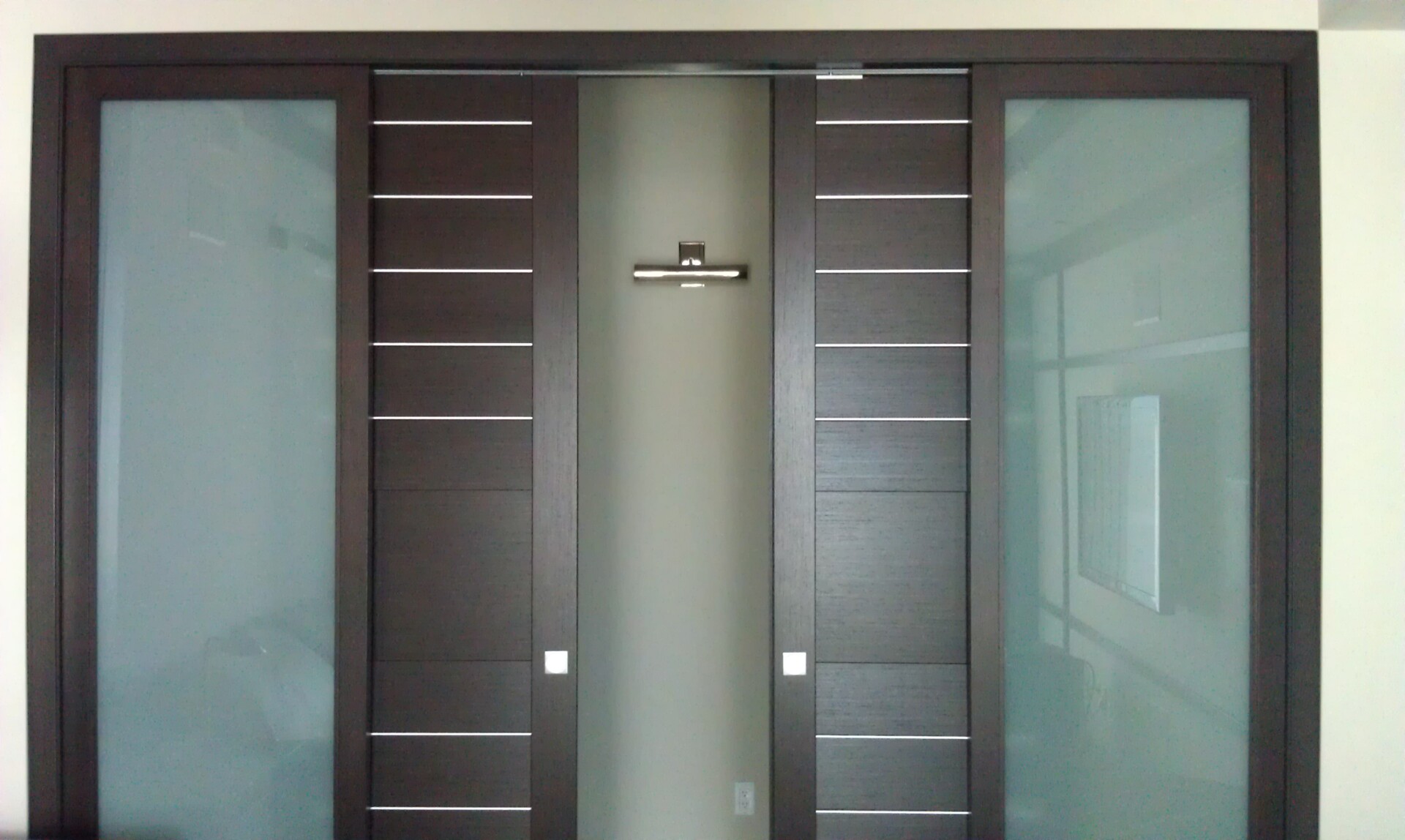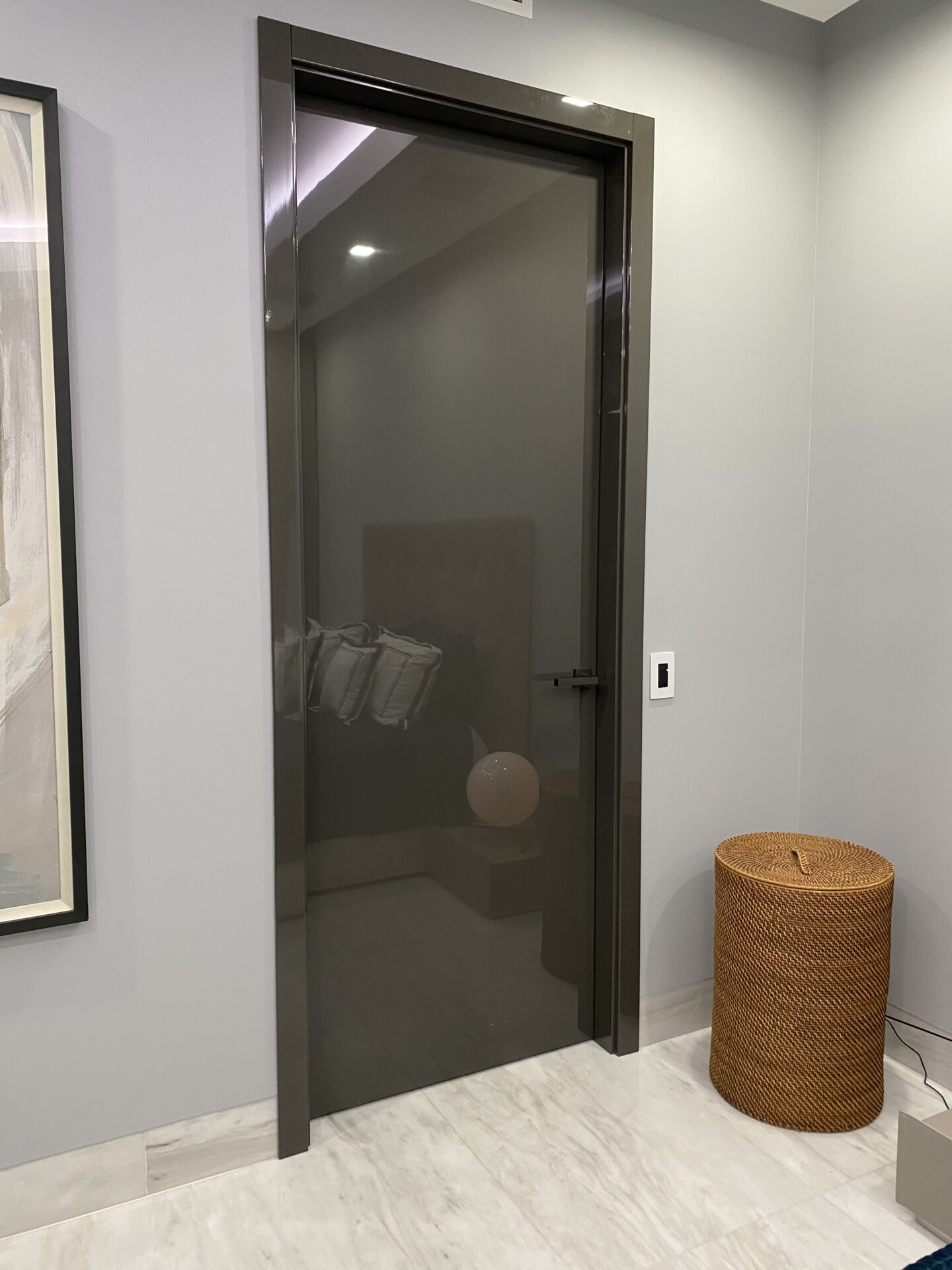
Lacquered Italian Doors: The Premium Finish That Handles Humidity

Lacquered doors are a premium choice for Miami and South Florida homes, condos, offices, and development projects where a clean modern look needs to last beyond the first few months after installation. This guide is not about choosing paint colors or debating matte versus glossy finishes; it explains Italian lacquer doors as a factory-applied, multi-coat material finish designed for a smoother surface, stronger sealing, and better performance in humid interiors than standard site-painted doors.

ITALdoors brings this level of authentic Italian craftsmanship to the Miami market through complete door systems, modern interior door collections, in-stock options, and special order finishes that can include custom lacquer solutions for homeowners, designers, builders, and developers.

Lacquered Italian Doors Made for Modern Miami Interiors
Upgrade your space with Italian-crafted interior doors finished for a smooth, sealed, furniture-like appearance. ITALdoors offers complete door packages designed for clean modern interiors, refined surfaces, and dependable performance in South Florida homes, condos, and commercial spaces.
View Interior Doors

What is a lacquered door?

A lacquered door is an interior door finished with a refined surface coating applied as part of a controlled manufacturing process. In premium Italian door production, lacquer is not treated as a quick decorative layer added at the end of a project. It is part of the door’s final material identity, giving the surface its smoothness, color depth, sealed feel, and furniture-grade appearance.

This distinction matters because many people use the words “painted” and “lacquered” as if they mean the same thing. They do not. A painted door may simply be a primed or unfinished slab coated with trim paint on site, often after the walls, floors, and millwork are already in place. A true lacquered door is finished before it reaches the job site, usually through a more controlled process designed to create a cleaner, more consistent, and more durable surface.

For modern interiors, that difference is easy to see. Minimalist doors have fewer decorative details to hide flaws. A flat surface, crisp edge, and simple panel design will immediately reveal brush marks, roller texture, uneven sheen, small chips, dust particles, or poor sanding. That is why lacquered doors are often selected for contemporary homes, luxury condos, office interiors, and design-led renovations where the door is not supposed to disappear as a basic background element.

Factory lacquer vs. regular paint

Factory-applied polyester or polyurethane lacquer is created under controlled production conditions before the door arrives for installation. The surface is prepared, coated, refined, and cured in an environment where the goal is consistency. Instead of depending on the conditions of a construction site, the finish is applied as part of the manufacturing process.

Regular site paint is different. Even when applied by a skilled painter, the final result depends on many variables that are difficult to control inside an active project. Dust in the air, humidity, rushed schedules, uneven sanding, weak primer, poor drying time, and repeated handling can all affect how the finished door looks and performs.

The practical difference usually comes down to these points:

  • Factory lacquer is designed to create a smooth, sealed, furniture-like surface.
  • Site paint is more vulnerable to job-site dust, roller marks, brush marks, and inconsistent curing.
  • Lacquered surfaces usually look more refined on flat, modern, and flush-style doors.
  • Site-painted edges are often weaker because they may be trimmed, handled, patched, or recoated unevenly.
  • Factory lacquer is selected when the door finish is part of the design, not just a color applied to cover the slab.


This is why lacquer is often associated with premium modern interiors. It gives the door a finished, intentional appearance before it ever enters the home.

For homeowners comparing authentic European door systems, ITALdoors offers a strong starting point for Italian doors Miami projects where craftsmanship, material quality, and local support all matter.

Why this matters for modern interiors

Modern doors leave very little room for poor finishing. On a traditional molded door, decorative profiles, shadows, and raised details can hide small imperfections. On a flat panel door, flush door, or minimal Italian system, the surface itself becomes the feature. The cleaner the design, the more important the finish becomes.

This is especially true for high gloss interior doors and glossy white interior doors. Gloss reflects light, which makes any wave, bump, dust mark, sanding line, or orange peel texture more visible. Even a small inconsistency can stand out when natural light hits the surface from a window, hallway, or open-plan living area.

Lacquered doors help solve this problem because the finish is created for visual precision. The goal is not simply to “make the door white” or “match the trim.” The goal is to produce a sealed, consistent, architectural surface that complements the rest of the interior package.

In Miami homes and condos, this can make a noticeable difference. Many interiors already include large-format tile, stone, glass, smooth drywall, modern cabinetry, and clean-lined hardware. A basic site-painted door can feel out of place in that setting. A lacquered Italian door, by contrast, feels more connected to the level of finish expected in a refined interior.

The Italian lacquer process: multi-coat and hand-polished

Premium Italian lacquer is best understood as a layered finish system, not a single coat of paint. The quality comes from preparation, repetition, controlled application, and final refinement. While the exact process can vary by manufacturer and product line, the principle is the same: the finish is built in stages so the surface becomes smoother, more sealed, and more visually refined.

This is one reason Italian lacquer doors have such a distinct look. They are not trying to imitate a painted door. They are closer to high-end cabinetry or furniture, where the coating is part of the object’s quality and not just an afterthought.

Layered application for depth and protection

A lacquered door begins with surface preparation. The door must be smooth, stable, and ready to accept the coating. From there, base layers and additional coats are applied to create coverage, depth, and surface protection. Between stages, the surface may be dried or cured, then refined again before the next layer is added.

The purpose of this multi-coat approach is not only appearance. It helps create a more complete finish system. Each layer contributes to a surface that feels more even and better sealed than a typical site-painted door.

In practical terms, the layered lacquer process supports:

  • More consistent color coverage across the door face
  • Better control over surface smoothness
  • Stronger sealing than a quick paint application
  • A more refined appearance on flat and modern designs
  • Better visual depth, especially on glossy or polished finishes


This is why lacquered doors are often chosen for spaces where the door is highly visible: primary suites, modern hallways, formal living areas, home offices, luxury condos, boutique commercial interiors, and designer-led renovations.

The hand-polished look

Hand-polishing or high-level finishing refinement is what gives many lacquered doors their furniture-grade presence. This step is especially important for high gloss surfaces because gloss does not forgive surface defects. The more reflective the finish, the more precise the preparation needs to be.

With glossy white interior doors, for example, the final appearance depends on more than choosing white as a color. The door needs the right base, the right coating build, the right surface refinement, and the right installation details. Without that, a glossy white door can look uneven, plastic-like, or cheaply painted. With a proper lacquer process, it can look crisp, bright, and architectural.

The same applies to darker lacquered tones. Dark colors can be dramatic and elegant, but they also reveal surface irregularities quickly. A controlled Italian lacquer process helps the door maintain the clean, premium look that modern interiors demand.

Why Italian lacquer feels different

Italian lacquer feels different because it is usually part of a complete design philosophy. The finish is not isolated from the door system. It works with the slab, frame, casing, concealed hinges, magnetic lock, handle, proportions, and installation method.

This matters because a premium finish can only look as good as the system around it. A lacquered slab installed with mismatched hardware, bulky hinges, poor alignment, or low-quality casing will not deliver the same effect. Italian door design is known for clean lines, modern proportions, and coordinated details, which is why lacquered finishes feel especially natural in this category.

ITALdoors focuses on complete interior door systems rather than loose slabs alone. For homeowners, architects, designers, and builders planning modern interior doors in Miami, this system-based approach helps the final result feel more precise, more consistent, and more intentional.

Lacquer vs. site-painted doors: finish and durability

The main advantage of lacquer is not simply that it looks more polished. The real value is that the finish is created under better conditions and designed to behave more like a sealed surface. That affects how the door looks on day one, but it also affects how it holds up after repeated use.

Decision factor Factory lacquered Italian door Site-painted door
Best use case Best for modern homes, luxury condos, offices, boutique commercial interiors, and design-led renovations where the door finish is part of the overall interior design. Practical for rentals, secondary rooms, budget projects, or spaces where exact wall, casing, or trim color matching is the main priority.
Finish consistency Applied in controlled factory conditions for a smoother, more uniform surface with fewer visible brush marks, roller texture, dust particles, or sheen differences. Depends heavily on painter skill, sanding quality, primer, job-site dust, humidity, drying time, and touch-up consistency.
Edge protection The face, edges, and visible details are treated as part of one complete finish system, helping create a more sealed and refined surface. Edges are often the weak point because they may be trimmed, handled, patched, or painted less carefully than the door face.
Humidity resistance A better sealed lacquer surface helps reduce common weaknesses caused by inconsistent coating, especially in humid South Florida interiors. More vulnerable when moisture reaches unfinished edges, small cracks, inconsistent primer, or areas that were touched up quickly after installation.
Long-term appearance Maintains a more intentional, furniture-like appearance in hallways, bedrooms, offices, and modern living spaces where the door remains highly visible. Can begin to look uneven over time if brush marks, chips, sheen variation, or edge wear become visible after daily use.
Maintenance Easier to keep clean when cared for properly, because a smooth lacquered surface helps manage fingerprints, dust, and light surface marks. May require more frequent touch-ups, especially around edges, handles, high-contact areas, and flat panels that reveal imperfections.
Design impact Creates a premium architectural effect, especially on flat panel, flush, glossy white, or high gloss interior doors where surface quality is highly visible. Can work visually in traditional interiors, but may feel less refined in modern spaces with clean lines, smooth walls, glass, stone, and minimalist hardware.
Choose Interior Doors That Handle South Florida Humidity
Site-painted doors can struggle with moisture, edges, and uneven finish quality. ITALdoors interior doors bring authentic Italian manufacturing, complete hardware packages, and premium finishes that help modern spaces stay clean, stable, and visually refined.
Explore ITALdoors Interior Doors

Color and sheen options

Lacquer can support many design goals, from crisp white modern interiors to warmer neutrals, darker statement doors, and custom color concepts. This article will not go deep into the matte-versus-glossy decision because that is a separate design conversation. Here, the more important point is that lacquer is a finish system first, while sheen is the visual effect created at the surface.

From glossy white to custom lacquer colors

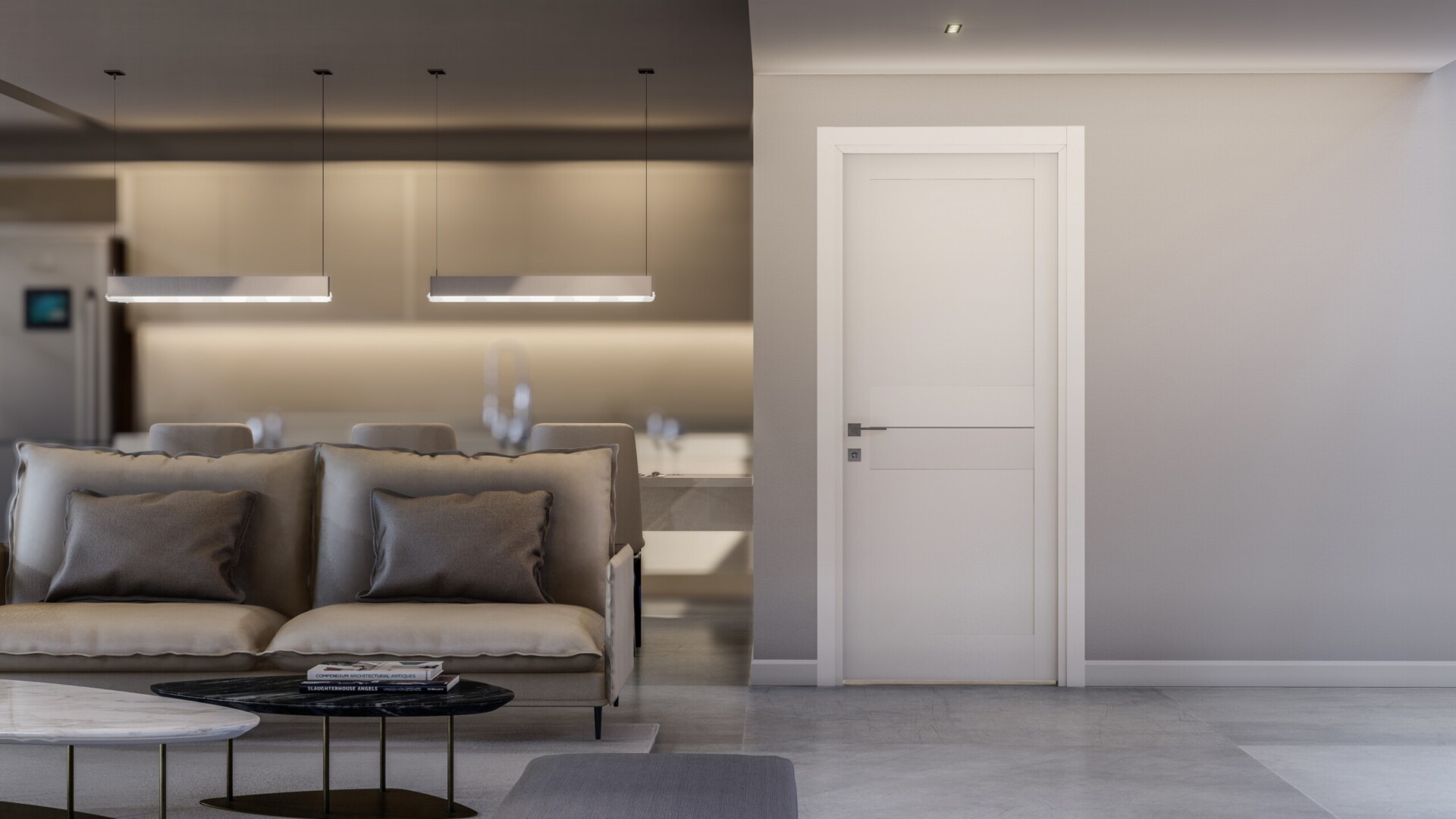
One of the most popular uses of lacquer is the clean, bright look of glossy white interior doors. White lacquer can make a space feel sharper, lighter, and more contemporary, especially when paired with smooth walls, modern flooring, glass, stone, or minimalist hardware.

But lacquer is not limited to white. Depending on the door program and special order availability, lacquer can support a much wider color range. Soft neutrals can create a calm architectural effect. Darker tones can make doors feel dramatic and built-in. Custom lacquer colors can help designers coordinate doors with cabinetry, wall panels, closets, or a broader interior palette.

Glossy lacquer creates reflectivity and brightness. Lower-sheen lacquer can feel softer, quieter, and more architectural. Both can be premium choices when the underlying finish quality is strong.

Choosing sheen without overcomplicating the decision

Sheen should be chosen based on the space, not just personal preference. A high gloss finish can look striking in a modern hallway or open-plan condo, but it will also reflect more light and show fingerprints more easily. A softer sheen may be better for bedrooms, family areas, or interiors where the door should feel refined without becoming the main visual feature.

The simplest way to think about sheen is this: choose gloss when you want reflection and presence, and choose a lower sheen when you want a calmer, more integrated look. For a deeper design comparison, ITALdoors has a separate guide on matte or glossy interior doors.
Why lacquer withstands South Florida humidity

Humidity is one of the most important reasons to consider lacquered doors in Miami and South Florida. Interior doors in this region are not exposed to the same conditions as exterior doors, but they still live in a climate shaped by moisture, air conditioning, coastal air, and seasonal humidity changes.

A door finish that works well in a dry climate may not perform the same way in a South Florida home, condo, or commercial interior. The surface needs to be stable, sealed, and suitable for real everyday use.

Miami humidity and interior doors

South Florida interiors often move between two different environments: humid air outside and cooled, conditioned air inside. Doors near entry areas, bathrooms, laundry spaces, hallways, balconies, garages, or frequently opened rooms may experience more moisture fluctuation than doors in completely controlled spaces.

Over time, this can affect weaker finishes. Poorly sealed doors may show edge swelling, finish cracking, small chips, surface dullness, or uneven paint behavior. These issues are not always dramatic at first, but they can make the door look older faster.

That is why the door finish matters. A sealed lacquer surface helps reduce some of the vulnerabilities associated with basic paint. For a broader look at climate-specific door selection, see ITALdoors’ guide to interior doors in Miami that handle humidity.

Why sealed finishes perform better

Moisture usually creates problems when it finds weak points. On a site-painted door, those weak points may include unfinished edges, inconsistent primer, small cracks, poorly coated cuts, hardware areas, or areas that were touched up quickly after installation. Once moisture reaches vulnerable parts of the door, the finish can begin to fail visually.

Lacquer helps because it creates a more controlled surface. The goal is not only to make the door look smooth, but also to seal it more completely. A better sealed surface can help the finish resist everyday humidity-related stress better than a basic paint job.

This is especially important for flat panel and flush-style doors. Because the design is simple, the finish carries more responsibility. If the surface starts to chip, ripple, swell, or dull, the entire door immediately looks less premium.

Stability starts with the door construction

A strong finish performs best when it is applied to a stable door structure. ITALdoors interior doors are primarily made with pine wood and MDF construction, which is an industry-standard approach in Italian high-end door production. This type of construction is designed to help reduce warping under normal temperature-controlled conditions.

Panel doors may also use a pine surround and an XPS core. The pine surround helps support the structure of the door, while the XPS core contributes to increased panel stability and soundproofing. This matters because finish durability is not only about the coating. It is also about what is beneath the coating.

In other words, lacquer is most effective when it is part of a well-engineered door system. A premium finish on an unstable slab will still be limited by the quality of the door underneath. A stable door construction, coordinated hardware, proper installation, and controlled interior conditions all work together to support better long-term performance.

Important limitation

Lacquer improves finish performance, but it does not turn an interior door into an exterior-rated product. No interior lacquered door should be exposed to standing water, uncontrolled moisture, direct weather, or outdoor conditions unless it is specifically designed and rated for exterior use.

That distinction is important in South Florida. Interior lacquered doors are excellent for climate-controlled homes, condos, offices, and commercial interiors. Exterior openings, hurricane exposure, direct rain, and severe weather conditions require properly engineered exterior door systems with the correct certifications and weather performance features.

For the right application, lacquered Italian doors offer a strong combination of clean design, sealed surface quality, and humidity-conscious performance. They give Miami interiors a premium finish that feels intentional, modern, and built for real everyday living.


Caring for lacquered doors

Lacquered doors are chosen because they offer a refined, sealed, furniture-like finish, but they still need proper care. The goal is not complicated maintenance. The goal is to protect the surface from abrasion, harsh chemicals, direct moisture, and unnecessary impact so the door can keep its clean architectural look over time.

A good lacquered door should be treated more like high-end cabinetry or fine millwork than a basic painted slab. It is designed for everyday interior use, but the way it is cleaned and handled will affect how well the finish ages.

Everyday cleaning

For regular cleaning, use a soft microfiber cloth and a mild, non-abrasive cleaning solution. In most cases, a lightly damp cloth is enough to remove dust, fingerprints, and minor marks. After cleaning, the surface should be dried gently with a clean cloth so moisture does not sit on the door.

Avoid cleaning methods that are too aggressive for a premium finish. This is especially important for high gloss interior doors because reflective surfaces can reveal fine scratches more easily than textured or lower-sheen finishes.

For best results, avoid:

  • Harsh chemical cleaners
  • Abrasive pads or rough sponges
  • Strong solvents
  • Powder cleaners
  • Aggressive scrubbing
  • Excess water around door edges, hardware, or frame joints


The safest approach is simple: clean gently, use soft materials, and never treat lacquer like a rough utility surface.

Preventing scratches and impact damage

Lacquer is durable, but it is not indestructible. Like any premium finish, it can be scratched, chipped, or marked if it is hit with sharp objects, dragged against furniture, or exposed to careless handling during a renovation.

This matters most during move-ins, construction work, furniture deliveries, and remodeling projects. A door can be beautifully manufactured and properly installed, but still suffer damage if ladders, boxes, tools, or furniture pieces are pushed against it.

Practical protection steps include:

  • Use door stops where handles may hit walls or adjacent surfaces.
  • Protect doors during furniture deliveries and renovation work.
  • Avoid hanging heavy items directly on the door unless the system is designed for it.
  • Keep sharp tools, metal objects, and construction materials away from the lacquered surface.
  • Make sure hardware is installed correctly so handles, locks, and hinges do not create unnecessary stress on the finish.

Small habits make a difference. A lacquered door is often part of the visual design of the room, so protecting the surface helps preserve the entire interior.

Humidity-conscious care

In South Florida, caring for lacquered doors also means thinking about indoor climate. The finish helps protect the surface, but the door system still performs best in normal interior, temperature-controlled conditions.

Stable air conditioning, proper ventilation, and reasonable indoor humidity levels help preserve both the lacquer finish and the door construction underneath. This is especially important in homes near the coast, high-rise condos with balcony access, bathrooms, laundry areas, and rooms where exterior doors are opened frequently.

Humidity-conscious care does not mean the home has to be kept unnaturally dry. It simply means avoiding conditions that allow moisture to collect or sit around the door system.

A few practical habits help:

  • Keep bathrooms and laundry areas properly ventilated.
  • Avoid leaving wet towels, mops, or damp items against the door.
  • Do not allow water to pool near the threshold, jamb, or casing.
  • Maintain regular air conditioning in humid months.
  • Address leaks, condensation, or ventilation problems early.


A sealed lacquer surface gives the door an advantage, but the surrounding environment still matters.

When to ask a professional

Before attempting touch-ups, sanding, refinishing, or using an unfamiliar cleaning product, contact the supplier, installer, or showroom team. This is especially important for high gloss and lacquered finishes because improper repair work can make the affected area more visible.

A small mark on a lacquered surface should not be treated the same way as a scuff on a basic painted door. Sanding too aggressively, using the wrong polish, applying mismatched paint, or using a harsh cleaner can create dull spots, uneven sheen, or permanent surface damage.

Professional guidance is especially useful when:

  • The door has a chip, deep scratch, or dent.
  • The finish looks cloudy, dull, or uneven.
  • A cleaning product caused a visible reaction.
  • Hardware needs adjustment near the lacquered surface.
  • A high gloss door needs touch-up or polishing.
  • The door was damaged during construction or delivery.


When in doubt, ask before experimenting. A premium lacquered finish is easier to preserve than to repair incorrectly.

Lacquered door collections from ITALdoors

Lacquered doors make the most sense when the finish is part of a complete door system, not just a surface treatment added to a basic slab. That is where ITALdoors becomes especially relevant for Miami homeowners, designers, builders, and developers looking for authentic Italian doors with dependable local support.

ITALdoors offers Italian interior doors, exterior doors, specialty doors, wall paneling, and architectural hardware, with a focus on modern design, practical performance, and complete solutions. For projects where lacquer is the right finish, the value is not only in the look of the surface. It is in the way the door, frame, hardware, finish, and installation details work together.

Complete Italian door systems

ITALdoors provides more than door slabs. Interior door packages can include the door slab, frame, casing, concealed hinges, magnetic lock, and handle. That matters because a premium finish should not be paired with disconnected parts that feel visually or technically mismatched.

A lacquered Italian door looks best when the full system is coordinated. The slab should align cleanly with the frame. The hardware should match the design language. The hinges should support the modern appearance. The magnetic lock should contribute to a clean closing experience. The casing should feel intentional, not like an afterthought.

This system-based approach is especially important in modern interiors where small details are easy to notice. A smooth lacquered surface can elevate the room, but the full door package is what makes the final result feel complete.

In-stock and special order options

One of the major advantages of ITALdoors is the balance between local availability and custom flexibility. Many Italian and European-style doors involve long waits, unclear timelines, and complicated ordering. ITALdoors helps solve that problem with premium in-stock Italian interior doors for faster turnaround, along with special order solutions when a project requires a more specific design.

In-stock doors support speed and predictability. This can be especially valuable for homeowners, builders, designers, and developers who cannot afford to let a project stall because doors are delayed. Popular models, sizes, and finishes available locally can help keep the installation process moving.

Special order options are important when the design requires something more specific. ITALdoors offers special order doors with custom veneer, lacquer, or laminate finishings depending on the project requirements. This gives designers and clients more flexibility when the project calls for a particular lacquer color, sheen, configuration, or premium finish direction.

For projects that need a custom lacquer concept, explore special order Italian doors or contact the Miami office to discuss available options, lead times, and specifications.

Why homeowners, designers, and builders choose ITALdoors

ITALdoors is not only selling a door style. It is solving many of the problems that often come with door selection: delays, unclear pricing, unreliable support, mismatched parts, and uncertainty about which system belongs in which opening.

For lacquered doors, that support is especially useful. Finish quality matters, but so do dimensions, hardware, installation, lead time, and long-term performance in real South Florida interiors.

Homeowners, designers, builders, and developers choose ITALdoors because the company offers:

  • Authentic Italian manufacturing, not imitation European styling
  • A Miami showroom where clients can see materials and systems in person
  • Local support for measurements, specification, delivery, and installation guidance
  • Premium in-stock Italian doors with faster installation timelines
  • Transparent pricing with no hidden fees
  • Guidance for homeowners, architects, builders, and designers
  • Over 100 door design options
  • Complete door solutions, including hardware and door systems
  • Practical performance for real interiors, including humidity-conscious options


This combination matters in Miami because projects often need both design quality and practical reliability. A door may look beautiful in a catalog, but the real test is whether it can be specified correctly, delivered predictably, installed cleanly, and supported locally.

ITALdoors brings together authentic Italian craftsmanship and a strong local presence. That makes lacquered Italian doors more accessible for South Florida projects that need a premium finish without unnecessary uncertainty.

Ready to explore lacquered Italian doors?

Ready to see how lacquered Italian doors look and feel in person? Visit the ITALdoors Miami showroom or contact the team to discuss in-stock modern doors, special order lacquer finishes, and complete door packages for your home, condo, or commercial project.

Bring a Sealed, Furniture-Grade Finish Into Every Room
From glossy white interior doors to refined modern finishes, ITALdoors helps homeowners, designers, and builders create interiors with cleaner lines, coordinated hardware, and authentic Italian door systems available through local Miami support.
Find Your Interior Door

Frequently asked questions about Lacquered Italian Doors

No. Lacquered doors usually have a factory-applied polyester or polyurethane finish created through a controlled multi-coat process. Painted doors are often finished on site or with a simpler coating system.

Yes, Italian lacquer doors can be a strong choice for Miami interiors because the sealed surface helps protect the finish better than many site-painted doors. They should still be used in normal interior, climate-controlled conditions.

High gloss interior doors show fingerprints, dust, and reflections more easily, but they are not difficult to maintain with proper care. Use soft cloths and mild, non-abrasive cleaners.

Yes. Glossy white interior doors remain popular in modern and contemporary interiors because they reflect light, look clean, and pair well with minimalist design.

Often, yes. ITALdoors offers special order doors with custom veneer, lacquer, or laminate finishings depending on the project requirements.

Yes, they can scratch if hit with sharp objects, dragged furniture, or abrasive cleaning tools. A quality factory lacquer finish is durable for everyday interior use, but it still needs proper care.

Share this?
About Author
On Key

Related Posts