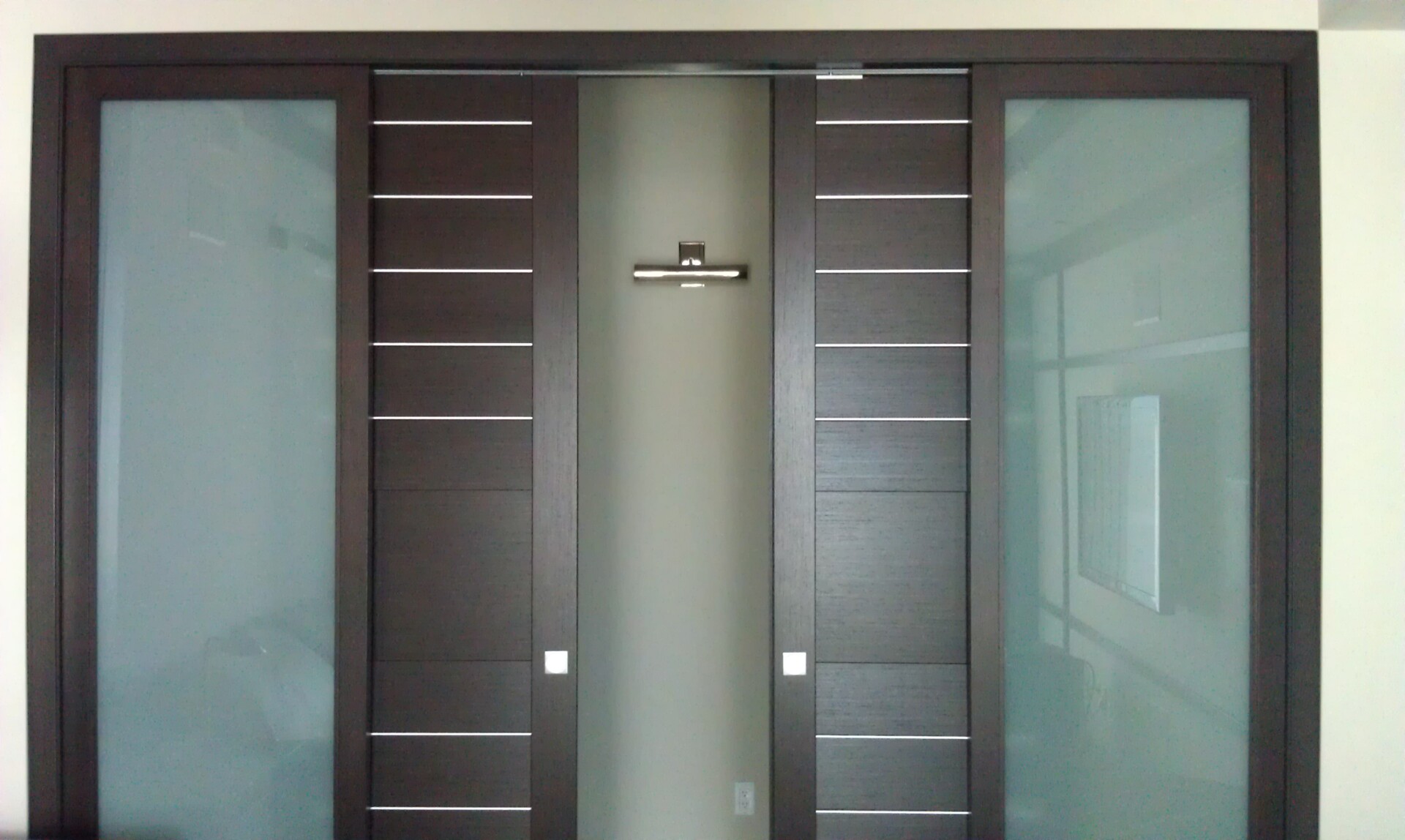
While walls often steal the spotlight with bold colors or textured finishes, it’s the doors and trim that frame the space, guide the eye, and establish a sense of cohesion. Choosing the right interior door and trim paint can elevate a room from standard to spectacular.
What Makes a Good Interior Door and Trim Paint?
Durability and Resistance to Scuffing
Interior doors and trim are subject to frequent use and constant contact. This makes durability a key criterion in selecting the best interior door and trim paint. Unlike wall paint, which may go untouched for years, trim around windows, doors, baseboards, and especially the doors themselves will be exposed to knocks, kicks, hand oils, and cleaning products.
High-traffic areas such as entryways, kitchens, and hallways especially benefit from paints that are scuff-resistant, chip-resistant, and washable. Look for paints marketed for doors, trim, and cabinetry, as these formulas typically offer a tougher finish that holds up over time without peeling or dulling.
Premium brands like Benjamin Moore’s Advance or Sherwin-Williams’ Emerald Urethane Trim Enamel are formulated to harden like oil-based paints but with the ease of water cleanup, offering both beauty and brawn.
Understanding Finish Types: Satin, Semi-Gloss, and Matte
The finish you select plays an equally important role, both functionally and aesthetically.
Satin Finish
- Offers a smooth, soft sheen that hides minor imperfections
- Easy to clean, making it suitable for both doors and trim
- Works well with Modern designs such as Modern Light Oak (ML) and Modern Gray (MG), adding subtle reflection without overpowering the texture
Semi-Gloss Finish
- Highly durable and moisture-resistant
- Reflects more light, making it ideal for trim, baseboards, and bathroom or kitchen doors
- Pairs beautifully with Transitional Mahogany (TM) and Transitional Matte White (TT) where traditional elegance meets modern resilience
Matte Finish
- Traditionally avoided for trim due to lower cleanability
- Now available in more durable formulas from select brands
- Perfect for achieving ultra-modern, minimal aesthetics like those in Modern Matte White (MT), especially in low-traffic areas
Paint Adhesion and Performance on Engineered and Prefinished Surfaces
Not all paints adhere equally, especially when working with engineered wood or prefinished doors, which are common in premium lines such as ITALdoors. These doors often come with UV-cured coatings or specialty finishes that resist moisture and wear—great for longevity, but tricky for repainting.
To ensure proper adhesion:
- Lightly sand the surface to create texture
- Use a bonding primer designed for glossy or laminated surfaces
- Choose a trim-specific enamel paint that’s made for slick substrates
Top 5 Paints for Interior Doors and Trim
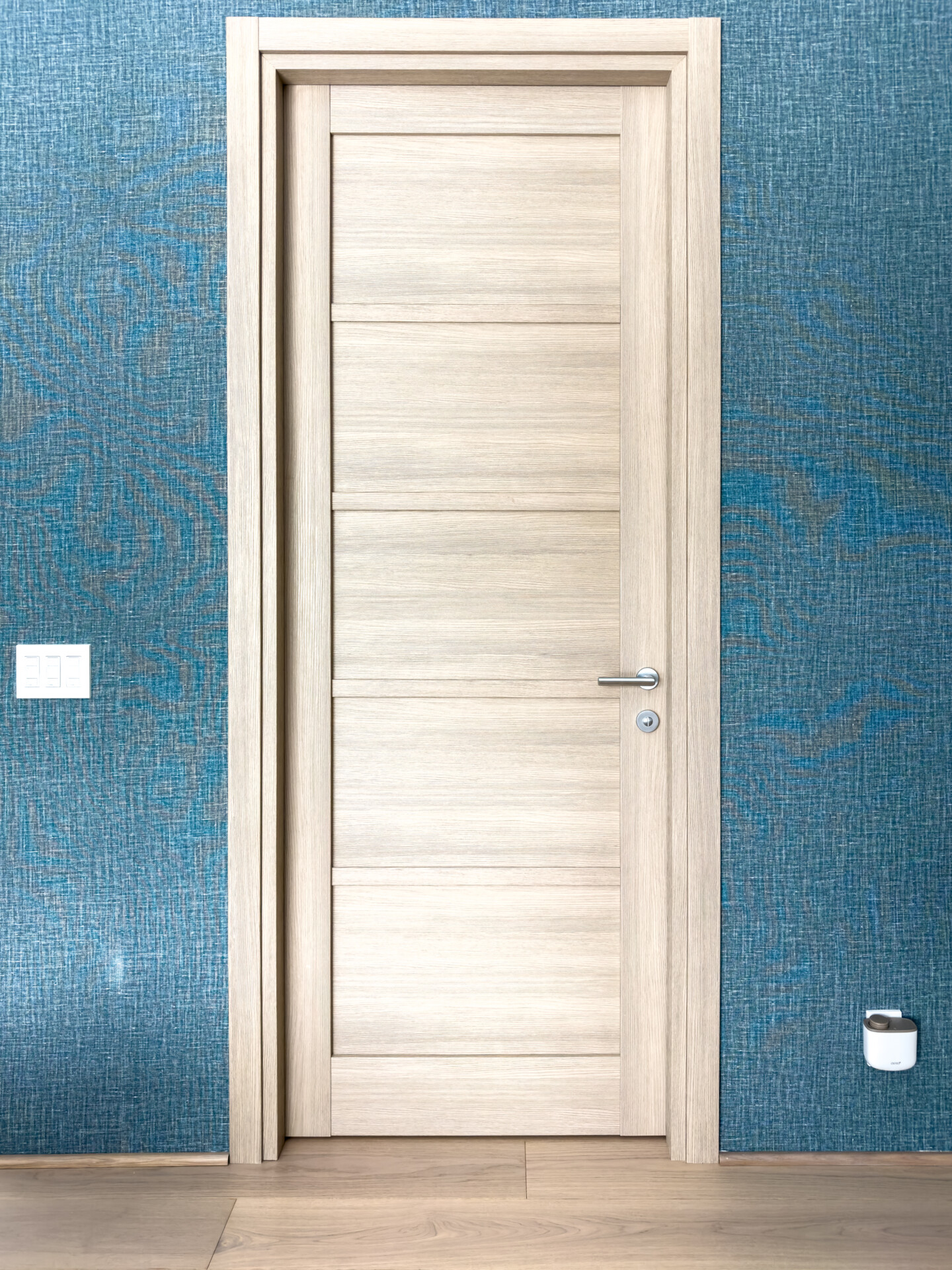
Choosing the best interior door and trim paint requires balancing durability, aesthetics, and compatibility with your door style. Whether you’re refreshing trim throughout the house or painting a feature door, the following five paints have proven themselves in performance and design harmony. Each one brings unique strengths that pair beautifully with premium door collections such as those offered by ITALdoors, including the Modern and Transitional series.
| Paint Name | Best For | Compatible ITALdoors Finishes | Finish Type | Key Benefits |
|---|---|---|---|---|
| Benjamin Moore Advance | Modern interiors, living rooms, bedrooms | Modern Wenge (MW), Modern Matte White (MT) | Satin | Smooth leveling, low VOC, oil-alkyd hybrid |
| Sherwin-Williams Emerald Urethane | High-traffic areas, bathrooms, kitchens | Modern Mahogany (MM), Transitional Hazel (TH) | Satin / Semi-gloss | Moisture-resistant, highly durable, smooth flow |
| Behr Urethane Alkyd Enamel | Budget-friendly projects, bathrooms, trim | Modern Light Oak (ML), Transitional Matte White (TT) | Semi-gloss | Moisture-resistant, easy to clean, bright finish |
| Farrow & Ball Modern Eggshell | Designer homes, statement doors, eco-conscious spaces | Modern Gray (MG), Modern Wenge (MW) | Eggshell (Low sheen) | Unique pigments, eco-friendly, deep color |
| Valspar Cabinet & Furniture Enamel | Children’s rooms, modern homes, barn/pivot doors | Modern Hazel (MH), Modern Light Oak (ML) | Satin / Semi-gloss | Fast drying, scuff-resistant, smooth finish |
1. Benjamin Moore Advance Interior Satin Paint
Professional Finish With Modern Durability
Benjamin Moore’s Advance Interior Satin Paint is a top-tier option for painting doors, trim, and cabinetry. Its waterborne alkyd formula combines the performance of an oil-based paint with the easy cleanup and low VOC content of a water-based product. This makes it a standout for both professional painters and homeowners looking to achieve a factory-like finish.
Why It Works for ITALdoors
This paint levels out beautifully, producing a smooth, brush-mark-free finish—a perfect match for ITALdoors’ Modern Wenge (MW) and Modern Matte White (MT) doors, where surface texture and form are central to the aesthetic. Its subtle satin sheen enhances the structural simplicity of these doors without overpowering them.
Best For
- High-end modern interiors
- Doors in living areas or bedrooms
- Trim that needs a refined, satin finish
2. Sherwin-Williams Emerald Urethane Trim Enamel
Unmatched Durability for High-Traffic Spaces
Sherwin-Williams’ Emerald Urethane Trim Enamel is a premium choice for areas where your doors and trim take a beating. Whether it’s a bustling family kitchen or a frequently used hallway, this paint is designed to resist wear, moisture, and stains while maintaining color richness and finish integrity.
Ideal for Modern and Transitional Doors
Available in satin and semi-gloss, this enamel works equally well with both contemporary and transitional designs. It especially complements deeper-toned finishes like Modern Mahogany (MM) or Transitional Hazel (TH), where the richness of the wood benefits from a slightly glossy, protective coating.
Best For
- Doors in kitchens, bathrooms, and hallways
- Trim in high-use areas
Highlights
- Excellent flow and leveling
- Hard, durable finish
- Moisture-resistant for added longevity
3. Behr Urethane Alkyd Semi-Gloss Enamel
Value and Versatility in One
For a more accessible yet high-performing paint, Behr’s Urethane Alkyd Semi-Gloss Enamel is a go-to option. Available at most home improvement stores, this paint offers strong adhesion and moisture resistance—making it ideal for both trim and doors in kitchens, bathrooms, and utility rooms.
Pairing With Light Finishes
Its bright, semi-gloss finish complements light-toned door styles such as Modern Light Oak (ML) or Transitional Matte White (TT), adding brightness and contrast without clashing with the natural beauty of the materials.
Best For
- Budget-conscious renovations
- Light modern interiors
- Bathrooms and laundry rooms
Advantages
- Easy to apply
- Cleans up with soap and water
- Offers long-term color retention
4. Farrow & Ball Modern Eggshell
A Designer’s Dream Finish
Farrow & Ball’s Modern Eggshell is a premium product favored by interior designers and luxury homeowners alike. Known for its unique pigment depth and refined finish, this paint elevates any door or trim with a soft, elegant sheen.
Perfect Match for Minimalist Italian Design
If you’re working with high-end Italian doors from ITALdoors’ Modern Gray (MG) or Modern Wenge (MW) series, Modern Eggshell provides a subtle finish that enhances without dominating. It’s also eco-friendly and low in VOCs, aligning with the sustainable elegance of custom-crafted doors.
Best For
- Contemporary or minimalist homes
- Living rooms, offices, and bedrooms
- Custom or statement doors
Notable Features
- Deep color saturation
- Low sheen with high durability
- Eco-conscious formulation
5. Valspar Cabinet & Furniture Oil-Enriched Enamel
Factory-Like Finish, DIY-Friendly Price
Valspar’s Oil-Enriched Enamel paint for cabinets and furniture doubles beautifully as a trim and door paint. With fast drying times and a hard, scuff-resistant finish, it gives the feel of a professionally coated surface—ideal for spaces where performance and style must coexist.
Best for Innovative Door Designs
Its application is especially effective on pivot doors, barn doors, or frameless sliding systems—door types commonly seen in ITALdoors’ lineup. The smooth, durable finish works well with both cool-toned and natural wood shades, including MH (Hazel) and ML (Light Oak).
Best For
- Homes with modern architectural details
- Children’s rooms or high-contact areas
- Pivot and barn-style doors
Key Benefits
- Fast recoat time
- Scuff and scratch resistance
- Excellent flow and leveling on complex door profiles
Preparing Interior Doors and Trim for Painting
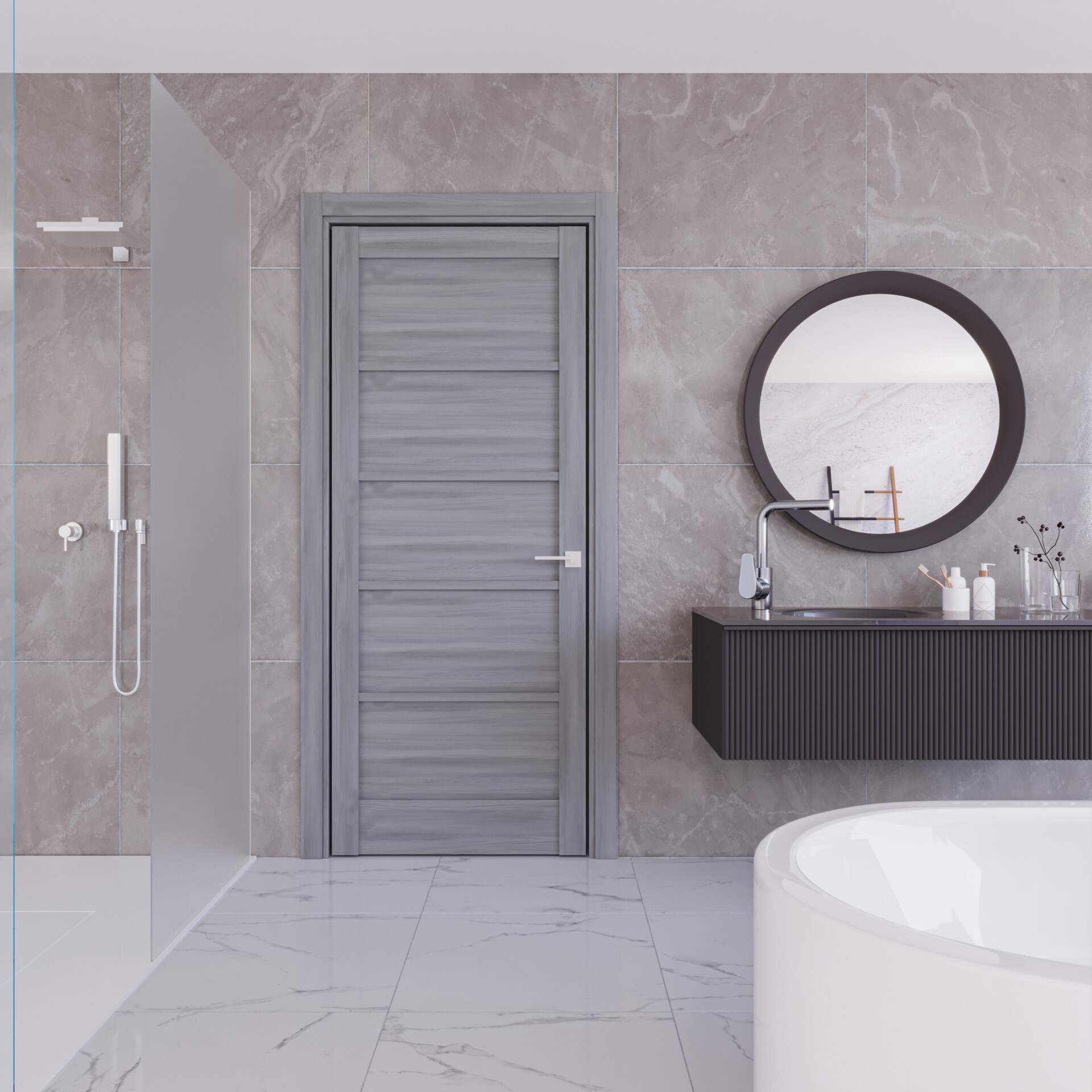
To get the most out of your chosen interior door and trim paint, thorough preparation is essential—especially when working with high-quality engineered or prefinished doors, such as those from ITALdoors. Skipping or rushing this step can lead to poor adhesion, uneven finish, and a final look that doesn’t reflect the premium materials you’re working with.
Cleaning and Sanding Prefinished and Engineered Surfaces
Most interior doors today, particularly those made from engineered materials or imported collections like ITALdoors, come with factory-applied finishes. These surfaces are often UV-cured and low-porosity, meaning that paint will not adhere well without proper prep.
Step 1: Clean Thoroughly
- Use a degreaser or a solution of TSP (trisodium phosphate) to remove oils, fingerprints, and grime.
- Rinse well and allow to fully dry.
Step 2: Lightly Sand
- Use 220-grit sandpaper to lightly scuff the surface.
- The goal is not to remove the finish but to create a microtexture that helps the primer bond.
- After sanding, wipe the surface with a tack cloth to remove all dust.
Priming Recommendations for Coated Surfaces
Applying a bonding primer is non-negotiable when painting over glossy or sealed surfaces.
Recommended Primer Types
- Bonding primers or stain-blocking primers (like Zinsser B-I-N or INSL-X STIX)
- These promote excellent adhesion and prevent bleed-through from tannins or resins in woods like mahogany or wenge
If you are painting a door from the Modern Collection, especially in darker tones like MW (Modern Wenge), a tinted primer close to the final color can improve coverage and finish uniformity.
Handling Concealed Hinges, Magnets, and Specialty Hardware
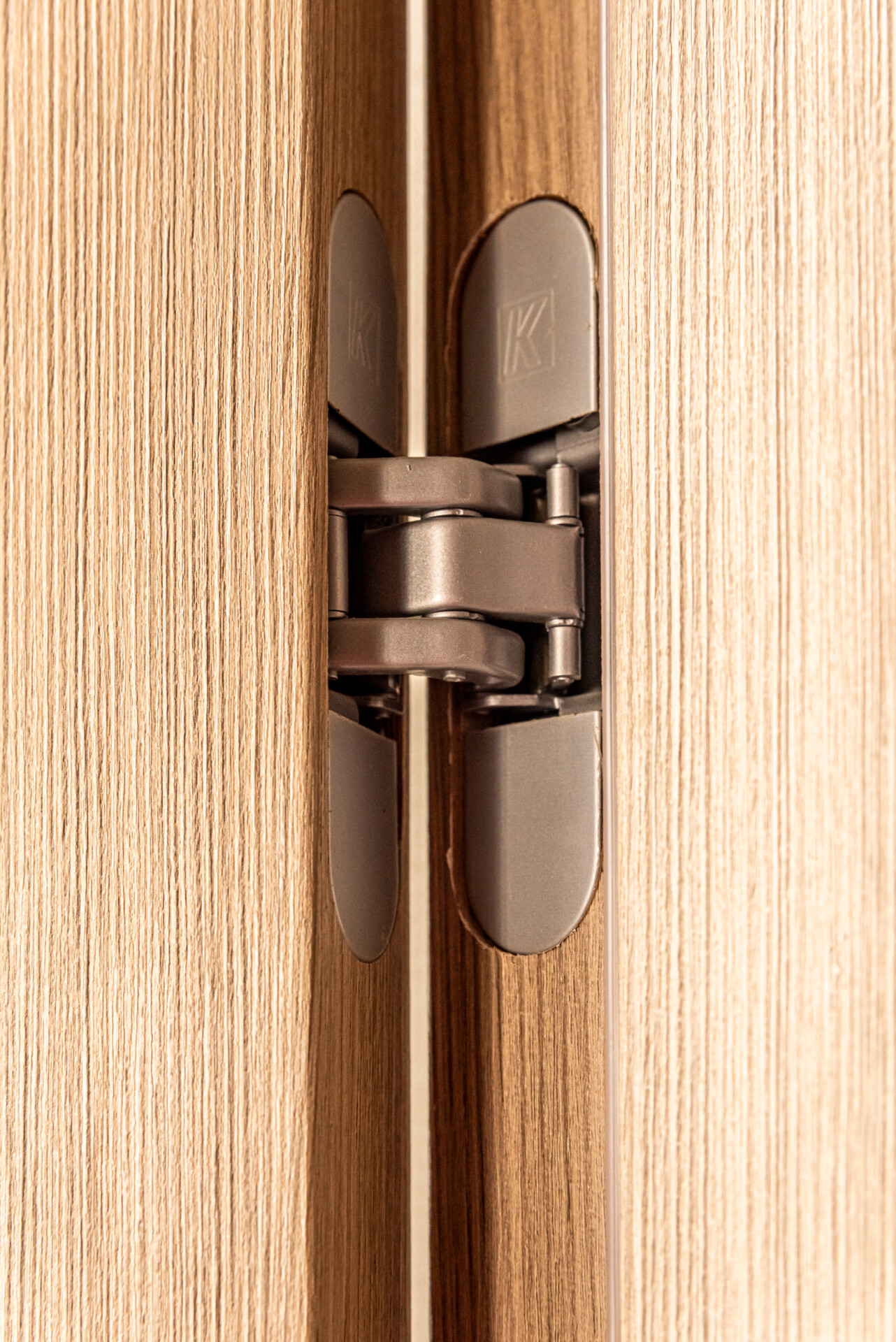
Premium doors often feature flush hardware systems, concealed hinges, and magnetized closers—hallmarks of ITALdoors’ attention to detail. These components must be addressed carefully to avoid marring their function or finish.
Remove or Mask?
- If possible, remove handles, locks, and hinges before painting
- If removal isn’t feasible (e.g., concealed or magnetized elements), use precise painter’s tape and masking film to protect them
- Use a small angled brush or high-density foam roller for clean edge application around hardware
Painting Without Brush Marks
- Always paint with the grain (if visible)
- Use self-leveling paints and avoid over-brushing
- For trims, use a quality angled sash brush for tight corners and a steady finish
Paint Colors and Finish Ideas Inspired by ITALdoors Collections
When working with interior elements as refined as those found in the ITALdoors Collection, your choice of interior door and trim paint becomes more than a functional decision—it becomes part of a larger design language. The ITALdoors catalog showcases a wide variety of finishes, materials, and hardware options that allow for extensive creative expression, whether you lean toward a clean, modern look or a more transitional, lived-in feel.
Let’s explore how you can build thoughtful and cohesive paint palettes inspired by ITALdoors’ most popular finishes.
Modern Wenge (MW): Deep Sophistication in Satin
The Modern Wenge series presents a bold, luxurious visual profile characterized by dark, chocolatey woodgrain tones. These doors are striking on their own and benefit from trim and wall treatments that allow their deep, structured texture to shine.
Best Paint Pairings
- Trim: Soft satin or low-luster matte in warm whites, bone, or antique gray
- Walls: Muted tones like warm taupe, slate gray, or even moody navy for contrast
- Finish Recommendation: Satin paint finishes for trim to reflect light subtly without pulling focus
Design Tip:
Pair MW doors with satin brass or matte black hardware for a rich, layered aesthetic. These metals bring warmth or depth, respectively, without competing with the wood’s natural intensity.

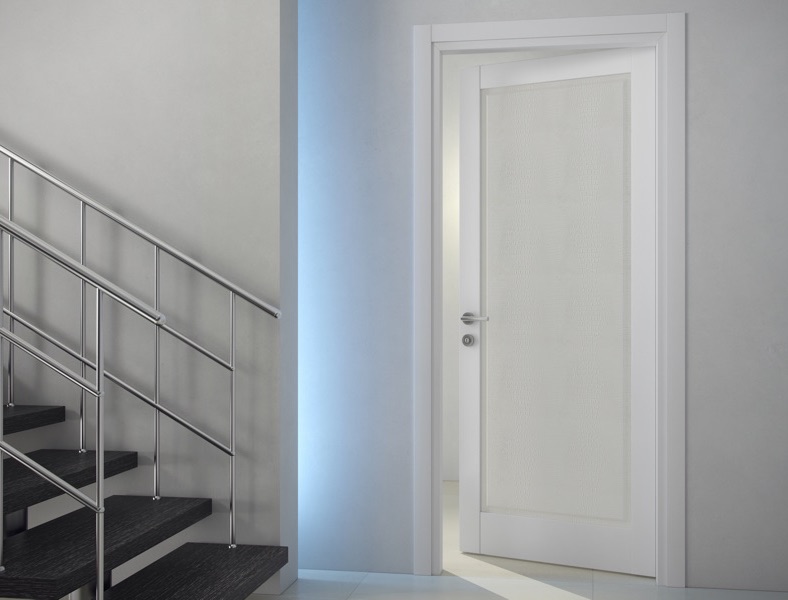
Modern Matte White (MT): Sleek, Minimalist Purity
Modern Matte White is the epitome of streamlined elegance. These doors are understated but refined, making them a favorite for minimalist and contemporary interiors. Their clean surface offers versatility for color pairing and finish blending.
Best Paint Pairings
- Trim: Crisp white or very pale gray in satin finish for a subtle outline
- Walls: High-contrast charcoal or deep forest green for drama, or soft neutral palettes for an airy feel
- Finish Recommendation: Satin or matte finish to retain consistency in surface appearance
Design Tip:
Complement MT doors with polished chrome or matte white hardware to preserve the quiet luxury of your interior. If you want contrast, matte black accents work well without disrupting the modern aesthetic.
Transitional Hazel (TH) & Mahogany (TM): Warmth Meets Timelessness
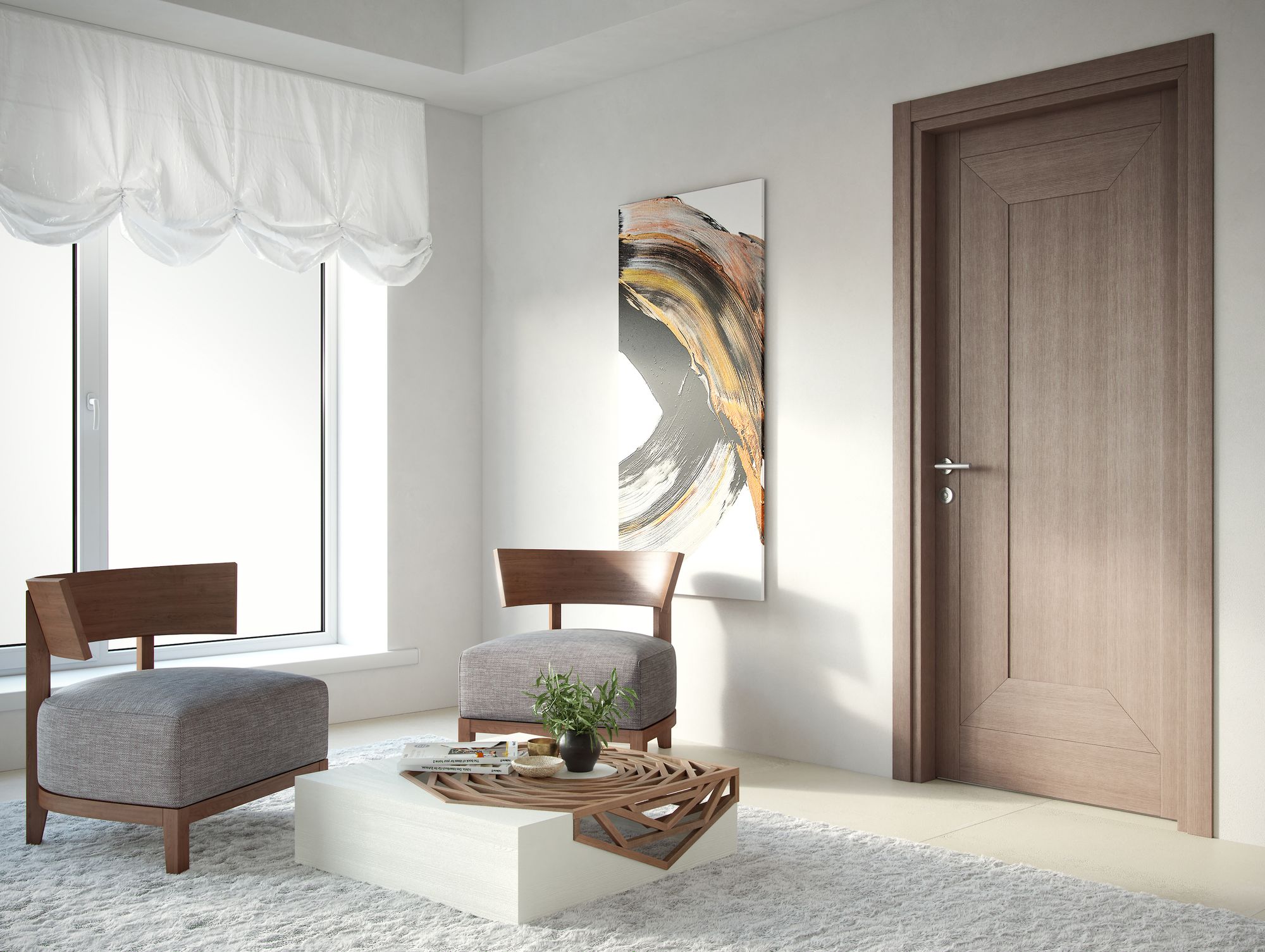
The Transitional Collection invites more natural textures and casual architectural elements. Hazel and Mahogany finishes add a cozy, inviting warmth that can be amplified with the right paint tones.
Best Paint Pairings
- Trim: Earth-toned satin paints like creamy beige, mushroom, or soft clay
- Walls: Greige, muted olive, or powdery blues for contrast
- Finish Recommendation: Satin or soft semi-gloss for subtle reflection and traditional warmth
Design Tip:
Use antique brass or satin brass hardware with these finishes. These metals echo the tones of the wood and bring a timeless elegance to transitional interiors.
Creating a Cohesive Palette Across Frames, Trim, and Doors
Cohesion doesn’t necessarily mean sameness—it means balance. Here are a few principles to follow:
1. Consistency in Sheen
Maintain the same paint finish (e.g., satin or matte) across your doors and trim to avoid visual dissonance unless the contrast is intentional.
2. Monochrome vs. Contrast
- For a monochromatic look, paint trim and doors in slightly varied shades of the same color family. This works well in modern interiors.
- For contrast, use a lighter trim with a darker door to frame it, or vice versa. This suits traditional and transitional spaces.
3. Hardware Integration
Paint should work in tandem with the hardware, not against it. Use these combinations as a guide:
- Satin brass → Warm-toned paints like cream, taupe, clay
- Matte black → Works with almost any palette; especially powerful with high-contrast themes
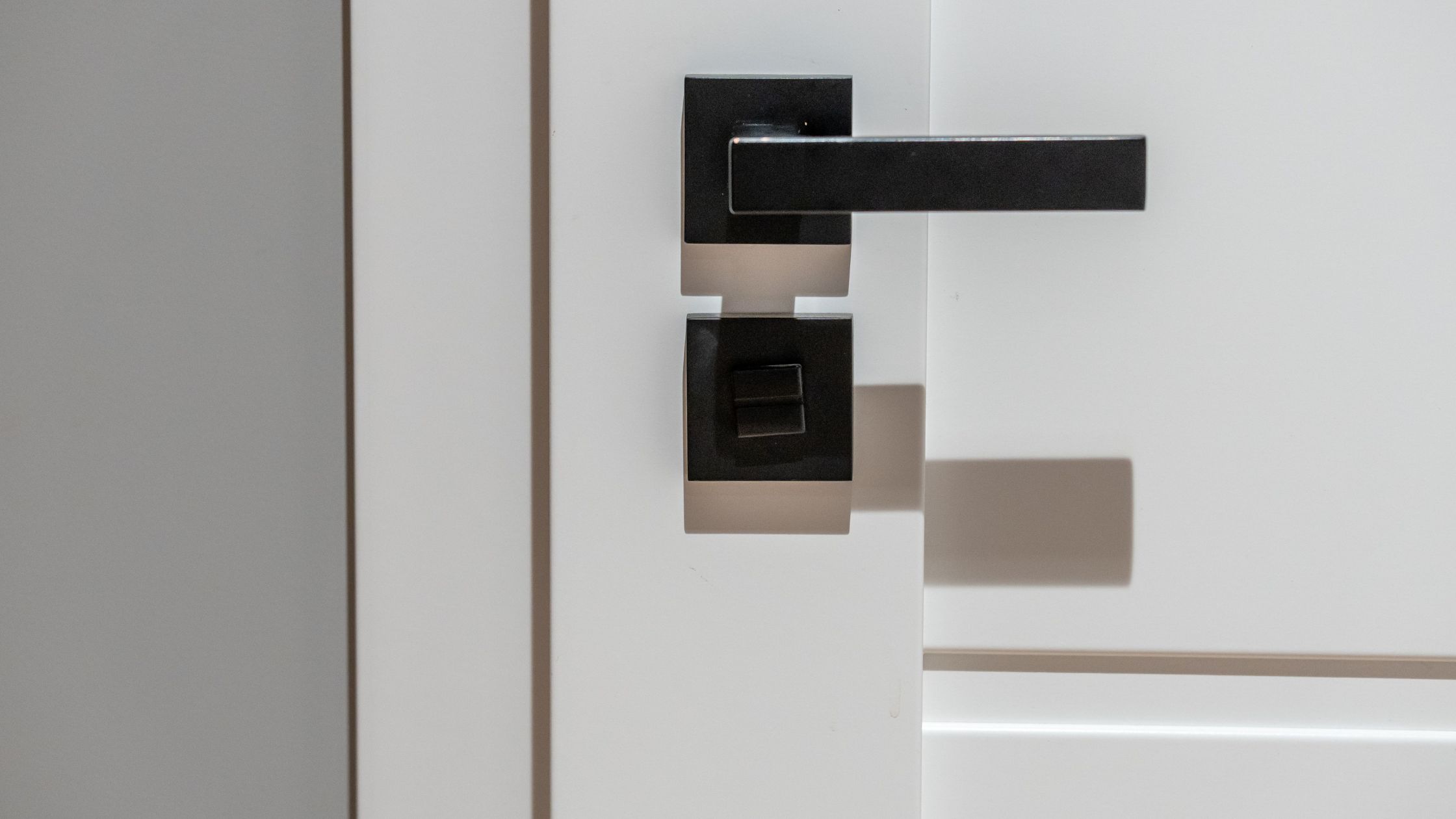
- Polished chrome → Cool whites, grays, and minimalist matte finishes
If you’ve invested in premium Italian doors, like those from the ITALdoors Modern or Transitional Collections, your paint choice should rise to the same standard of quality and style. A well-executed combination of form, finish, and function can elevate your home into a space that feels both curated and comfortable.
Bring Your Vision to Life With ITALdoors
For over a decade, ITALdoors has been creating stunning, authentically Italian interior doors that integrate design and engineering excellence. Whether you’re looking to match paint with Modern Light Oak, Transitional Hazel, or a unique pivot system, their diverse range of finishes and architectural styles offers inspiration for any interior.
Contact ITALdoors today to explore their curated collections and let their expert team guide you in finding the perfect door—and paint palette—to match your home’s personality.