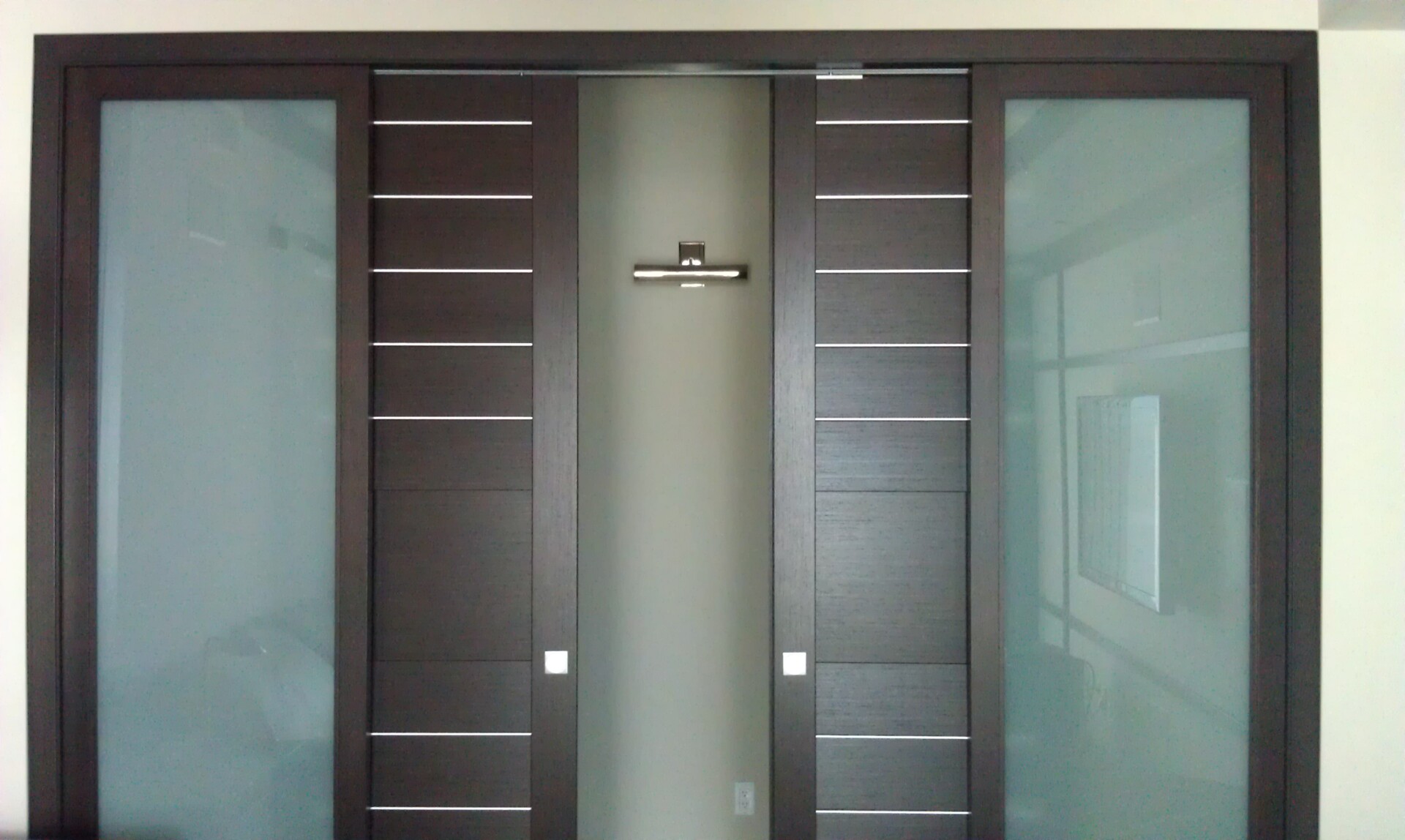
To estimate how many doors are there in the world, we must first understand the different places where doors exist—and how varied those places are. Homes, office buildings, hospitals, cars, buses, stadiums, even elevators and lockers—doors are far more ubiquitous than most of us realize.
Let’s take a logical, step-by-step approach to build a thoughtful global estimate.
Residential Doors: The Most Common Source
Population and Households
As of 2025, the global population is approximately 8 billion people. According to international housing data, the average number of people per household globally is around 4.9, giving us an estimated 1.63 billion households worldwide.
Doors Per Home
Now, consider the average number of doors per home. Even the smallest apartment will typically have:
- 1 entrance door
- 1–2 bedroom doors
- 1 bathroom door
- 1 kitchen or living room entry
That’s a conservative minimum of 4–5 doors per home, not even including closets or additional rooms.
In developed countries like the United States or Germany, homes can easily have 10–15 doors including:
- Closets
- Pantry
- Garage
- Basements
- En suite bathrooms
Let’s use an average of 6 doors per household across global living standards. That gives us:
1.63 billion households × 6 doors = 9.78 billion residential doors
Commercial Doors: Offices, Retail, and Institutions
Commercial and Institutional Buildings
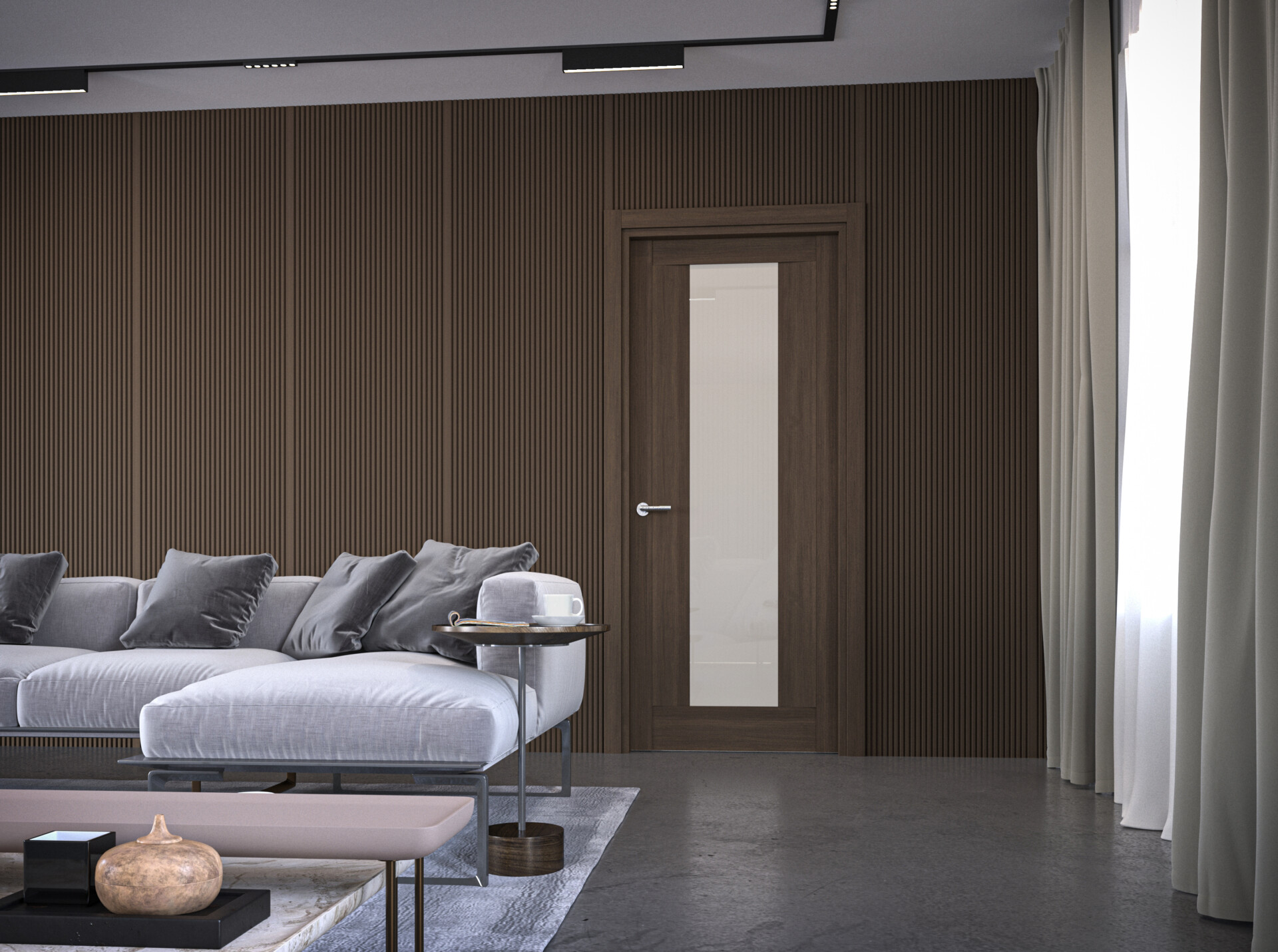
Commercial buildings—including offices, stores, hotels, malls, restaurants, and institutional buildings like schools and hospitals—are another major contributor.
According to estimates by the U.S. Department of Housing and Urban Development (HUD), about 11% of buildings in the U.S. are commercial or institutional, yet they contain over 83% of all doors.
That’s because these buildings often have:
- Multiple rooms
- Hallways with dozens of access points
- Emergency exits
- Storage and service doors
- Public restrooms
Let’s conservatively estimate 100 doors per commercial building, which accounts for large buildings with hundreds of doors, and smaller businesses with fewer.
If we assume 250 million commercial and institutional buildings worldwide (a rough extrapolation from data in developed and developing nations), we get:
250 million buildings × 100 doors = 25 billion commercial doors
Vehicle Doors: From Cars to Cruise Ships
Cars and Trucks
There are approximately 1.5 billion cars and light trucks in use globally. Most have 4 doors, but many have 2.
Taking an average of 3.5 doors per vehicle, we get:
1.5 billion vehicles × 3.5 doors = 5.25 billion vehicle doors
Public Transport and Aircraft
- Buses: About 3 million in use worldwide, typically with 2–3 doors
- Trains and subways: Each carriage typically has 2–4 doors, with millions of carriages in circulation
- Planes: Commercial aircraft average 6–8 doors depending on size
- Ships and boats: Cabin and utility doors in ferries, cruise ships, and cargo vessels
A very rough but conservative estimate places this number at 2–3 billion transportation-related doors beyond personal vehicles.
Total transportation doors: ~7.5 to 8.5 billion
Public Infrastructure Doors
From municipal buildings to arenas and airports, the public infrastructure of our world is filled with doors. Consider:
- Government offices
- Stadiums
- Museums
- Subway stations
- Restrooms and janitorial closets
- Maintenance access doors
The number of doors here is staggering but hard to quantify. A conservative estimate might be 1–2 billion doors globally across public infrastructure alone.
Specialty and Hidden Doors
While we often think of large entryways, there are billions of “hidden” or specialty doors:
- Cabinet doors
- Closets and wardrobes
- Lockers in schools and gyms
- Elevator doors
- Server room doors in tech centers
- Garage doors and gates
These smaller yet functional doors are everywhere—from our kitchens to office server racks. While they may not all serve as “entryways,” they are mechanically and structurally doors.
A fair global estimate for these? Between 5–10 billion additional doors.
Total Global Door Estimate
| Category | Estimated Doors |
|---|---|
| Residential | ~9.8 billion |
| Commercial/Institutional | ~25 billion |
| Vehicles | ~8 billion |
| Public Infrastructure | ~2 billion |
| Specialty/Other Doors | ~7 billion |
| Estimated Total | ~50–60 billion doors |
This number is, of course, an approximation. Door counts vary drastically by country, economic development, climate, and architecture. A rural home in India may have only one or two doors, while a modern villa in California could have twenty. An aircraft hangar might have one giant door, while a shopping mall has hundreds.
A World of Doors: Types and Materials
Doors Are Everywhere—But Not All Are the Same
As we dive deeper into the question how many doors are there in the world, it becomes clear that not only are there billions of them—they exist in an astonishing array of types, styles, and materials. Each door serves a specific purpose, whether it’s to secure, divide, enhance design, or simply provide access. Let’s explore the diversity of doors and what makes each category unique.
Residential Doors: Personal, Practical, and Decorative
The doors within and around our homes are the most familiar, but their variety is vast and growing.
Wooden Doors
Still the most common type of residential door globally, solid wood doors are prized for their natural aesthetic, sound insulation, and durability. Oak, mahogany, pine, and walnut are popular choices. These doors can be stained or painted, carved or paneled, making them both functional and decorative.
Composite and UPVC Doors
In regions like the UK and northern Europe, composite doors—a hybrid of wood, UPVC, and insulating foam—have gained traction due to their energy efficiency and resistance to warping or cracking. UPVC doors, made from unplasticized polyvinyl chloride, are lightweight, weather-resistant, and often used for patio or balcony entrances.
Sliding and French Doors
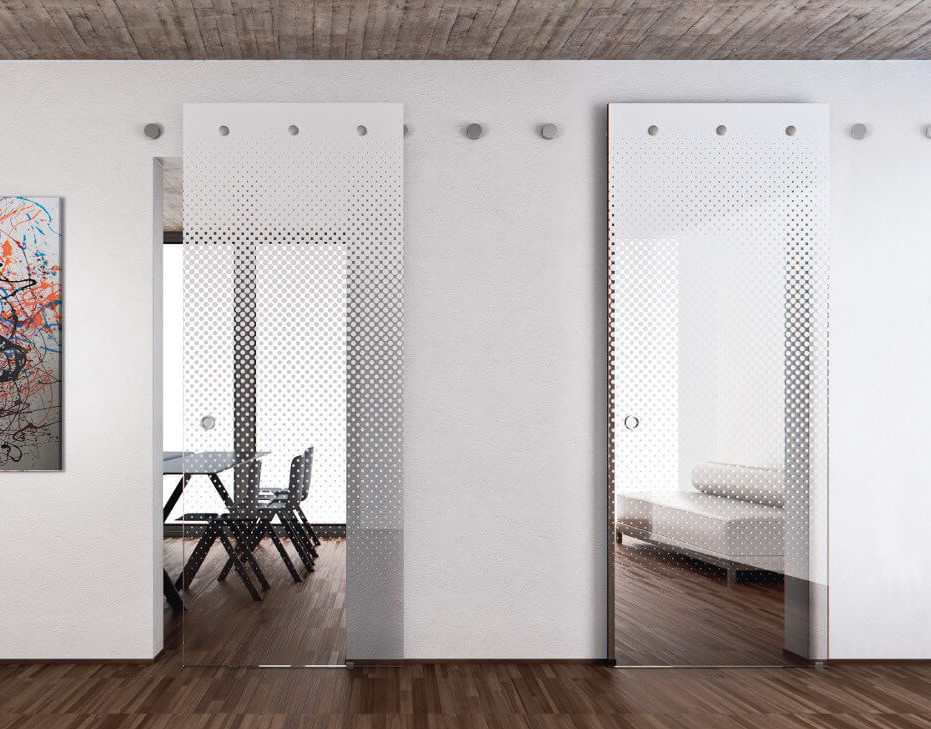
Sliding doors are favored for their space-saving design, especially in modern apartments and urban homes. They often feature large panes of glass that bring in natural light. French doors, typically opening outward with dual panels, are elegant and often used to access gardens or balconies.
Interior Doors: Hinged and Pocket Designs
Inside the home, standard hinged doors remain the most popular, but many homes are adopting pocket doors—which slide into the wall—to conserve space. Folding doors are also used in closets or room dividers, offering flexible usage.
Commercial Doors: Designed for Function and Foot Traffic
Commercial environments demand durability, security, and accessibility. Their doors are built to endure high usage and conform to safety codes.
Glass Doors
Modern office buildings and retail spaces often feature frameless or framed glass doors, offering transparency and a sleek, open aesthetic. These can be automatic or manual, and are commonly reinforced for safety.
Aluminum and Steel Doors
Aluminum doors are lightweight and corrosion-resistant, ideal for external storefronts or industrial facilities. Steel doors, on the other hand, are valued for maximum security—used in banks, storage facilities, and fire-exit routes.
Revolving and Automated Doors
High-traffic commercial spaces like airports, hotels, and malls often use revolving doors to control airflow and reduce energy costs. Automated sliding or swinging doors, with motion sensors or push-plate access, are used for accessibility and convenience.
Vehicle Doors: Transportation’s Moving Panels
Car and Truck Doors
With more than 1.5 billion cars and trucks on the road, vehicle doors make up a significant portion of the world’s total. Most standard vehicles have two to five doors, including trunks and hatches. Materials are typically steel or aluminum, often with added insulation and safety features like airbags and electronic locks.
Airplane, Train, and Bus Doors
Airplane doors are specially engineered for pressurization and emergency evacuation. Train doors, whether manual or automatic, must accommodate mass transit efficiency. Bus doors are typically pneumatic, folding, or sliding, and built for durability with daily usage.
Niche and Specialized Doors: Hidden in Plain Sight
Some doors serve unique or subtle functions but still contribute to our global door count.
Closet and Cabinet Doors
Often overlooked, cabinet doors, drawers, and closet entries are among the most numerous in the average household. Whether made of laminate, MDF, or glass, they still function as mechanical doors.
Hidden Doors and Panels
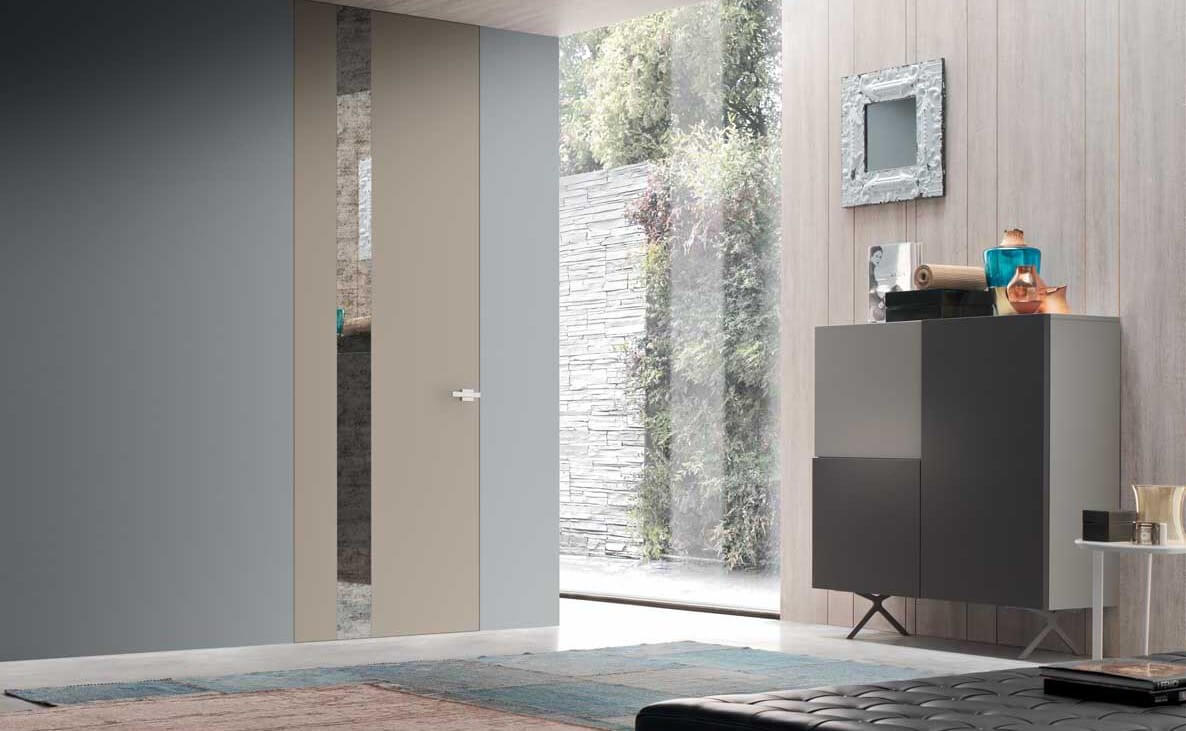
In luxury architecture or minimalist design, hidden doors—seamless with the wall or disguised as shelving—add an element of surprise and elegance.
Security and Vault Doors
From safes to panic rooms, high-security doors are engineered with reinforced steel, biometric access, and bullet resistance. These are critical in banks, data centers, and military installations.
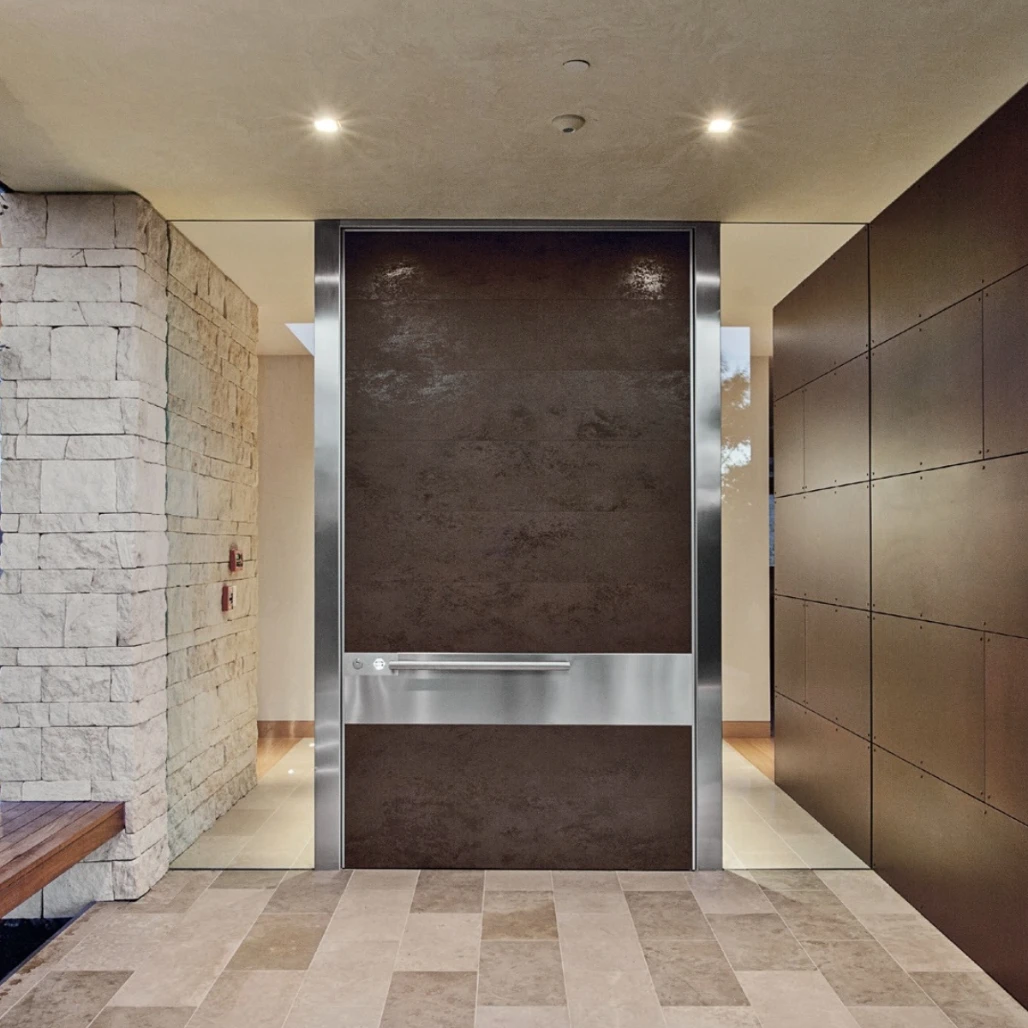
Why the Number Isn’t What Really Matters
While it’s fascinating to estimate how many doors are there in the world, the deeper truth lies in something else: not all doors are created equal.
Billions of doors exist globally—but how many of them are actually good?
In an age of mass production, it’s all too easy to settle for functional but uninspired designs. Thin panels, synthetic finishes, poor insulation, and generic hardware are far too common. These doors fulfill a purpose, yes—but they lack the craftsmanship, performance, and aesthetic value that define a truly excellent door.
Function vs. Form: The Dual Purpose of Great Doors
High-quality doors serve both functional and aesthetic purposes. A well-designed door does more than open and close. It shapes how a room looks, feels, and sounds. It protects, defines, and enhances your space.
1. Sound Insulation
Mass-produced hollow-core doors offer minimal sound protection. In contrast, solid-core and engineered doors—like those in ITALdoors’ collection—significantly reduce noise transfer between rooms, adding comfort and privacy.
2. Security
A well-built door with reinforced frames and high-quality locking systems is essential for protecting both homes and businesses. ITALdoors offers doors with magnetic locks and concealed hinges that marry security with design integrity.
3. Design Flow
Doors can unify the aesthetic of a home or office—or interrupt it entirely. Color, finish, material, and handle design all play into the visual flow of a space. A mismatched or poorly chosen door can feel like a design flaw. A custom, Italian-crafted door, however, becomes an integral design element.
4. Energy Efficiency
Especially on exterior entrances, door quality affects thermal insulation. Gaps, warping, and low-quality materials lead to energy loss. Proper seals, insulated cores, and eco-friendly materials—like those used by ITALdoors—help reduce heating and cooling costs.
5. Property Value
Buyers notice details. Quality doors reflect quality construction. Whether it’s a luxury condo, a renovated townhouse, or a commercial suite, premium interior and exterior doors enhance curb appeal and real estate value.
The ITALdoors Standard: Fewer, Better, Beautiful
In a world full of ordinary doors, ITALdoors champions something better: doors that are functional, beautiful, and lasting. With over 100 design options, inclusive door packages, customizable finishes, and expert customer support, ITALdoors helps clients make intentional choices—not just fill doorways.
Whether it’s a minimalist flush door or an ornate flat panel in Italian veneer, every ITALdoor is an invitation to choose quality over quantity.
Why Invest in Quality: The ITALdoors Philosophy
Introduction to ITALdoors: Where Modern Design Meets Timeless Craftsmanship
Behind every great space is a door that does more than just function—it welcomes, protects, and defines the experience within. At ITALdoors, this simple truth forms the core of everything we do.
ITALdoors is not just a door supplier. It is a brand built on a deep respect for Italian craftsmanship, an unwavering commitment to quality, and a customer-first approach shaped by years of experience in both the construction and design industries.
Based in Miami, Florida, ITALdoors is a family-owned business that brings together the essence of European style with the practical needs of the North American market. From the sleek precision of concealed hinges to the warmth of natural wood finishes, every detail is thoughtfully chosen to deliver beauty and durability.
But the market at the time offered limited options. High-end European doors existed, but often came with long lead times, import delays, and difficult logistics. Meanwhile, mass-produced local alternatives lacked the sophistication and lasting quality discerning homeowners and architects were looking for.
So, we did what any problem-solver would do: we went straight to the source—Italy.
With deep roots in the construction world and a passion for design, the founders of ITALdoors began forming direct relationships with Italian manufacturers, sourcing products that met strict quality standards and reflected modern European aesthetics.
What started as a niche offering has grown—over the last 17+ years—into a trusted and recognized brand for both residential and commercial door solutions across the U.S.
Built on Expertise, Driven by Passion
Today, ITALdoors is proud to offer a comprehensive line of modern Italian interior and exterior doors, serving homeowners, designers, developers, and architects alike. Our experience has taught us that a door is never just a door—it’s a key part of the design puzzle, and one of the most interactive elements in any space.
Whether you’re building your dream home or outfitting a luxury hotel, the door you choose sets the tone. With ITALdoors, you’re not just buying a product. You’re investing in:
- Design integrity
- Flawless engineering
- Exceptional customer service
- And above all, a door that lasts for years to come
What Sets ITALdoors Apart
Authentic Italian Design, In-Stock and Ready
While many door providers focus solely on aesthetics or speed, ITALdoors combines both. One of the company’s core innovations is maintaining a local inventory of authentic Italian doors, eliminating one of the most common frustrations in the building process: long lead times.
We’ve worked hard to ensure that our products are readily available in the U.S. market, while still upholding the design excellence that defines Italian manufacturing.
This means:
- No long overseas shipping delays (except for custom luxury doors)
- No compromising on quality for convenience
- No project holdups due to lack of inventory
We offer both popular standard sizes and custom solutions, allowing us to serve everything from large-scale developments to bespoke residential projects.
An Inclusive Door Package: Everything You Need, One Source
At ITALdoors, we believe that buying a door shouldn’t mean running around town—or the internet—for parts and hardware.
That’s why we offer a fully inclusive package with every door model. This includes:
- Concealed hinges: Precision-engineered for a clean, modern finish
- Complete door frame and casings: Built to match your chosen design and dimensions
- Magnetic lock system: Smooth, silent operation with a luxury feel
- Designer handles: Choose from a wide range of finishes and styles
This full-package approach ensures perfect compatibility, simplifies installation, and creates a cohesive aesthetic—all while saving you time and stress.
Tailored Service for Every Client Type
We understand that homeowners and professionals have different needs. That’s why ITALdoors offers personalized service models for each.
For Homeowners
- We guide you step by step—from browsing options to selecting the right model, finish, and functionality for your space.
- Our team helps you match your door with your overall interior design vision.
- We work closely with your contractor or installer to ensure seamless delivery and fit.
For Architects, Designers, and Developers
- We offer specification support, helping you select products that meet your performance and style requirements.
- Our team provides technical drawings, CAD files, and customization assistance.
- We accommodate large orders with flexible logistics and contractor-friendly solutions, including early delivery coordination.
Fast Turnaround and Endless Customization
In construction, time is everything. Delays in a single element—like a custom door—can ripple across the whole project. That’s why ITALdoors is engineered for efficiency.
We maintain a rotating inventory of the most requested designs in standard sizes and finishes. And for custom orders, we’ve streamlined our process with abbreviated lead times, ensuring faster delivery without cutting corners.
And when it comes to design?
You can choose from:
- Over 100 modern door models
- A variety of finishes—matte lacquer, wood veneer, high-gloss, natural grain
- Flush, swing, sliding, pocket, and pivot door types
- Custom sizing and hardware finishes tailored to your project needs
Whether it’s a minimalist black flush door or a textured white pivot door with brushed brass handles—if you can envision it, we can deliver it.
In the world of doors, ITALdoors is not just another option—it’s the gold standard for those who believe that form and function should walk through the same doorway. When you choose ITALdoors, you choose craftsmanship, character, and commitment to quality.
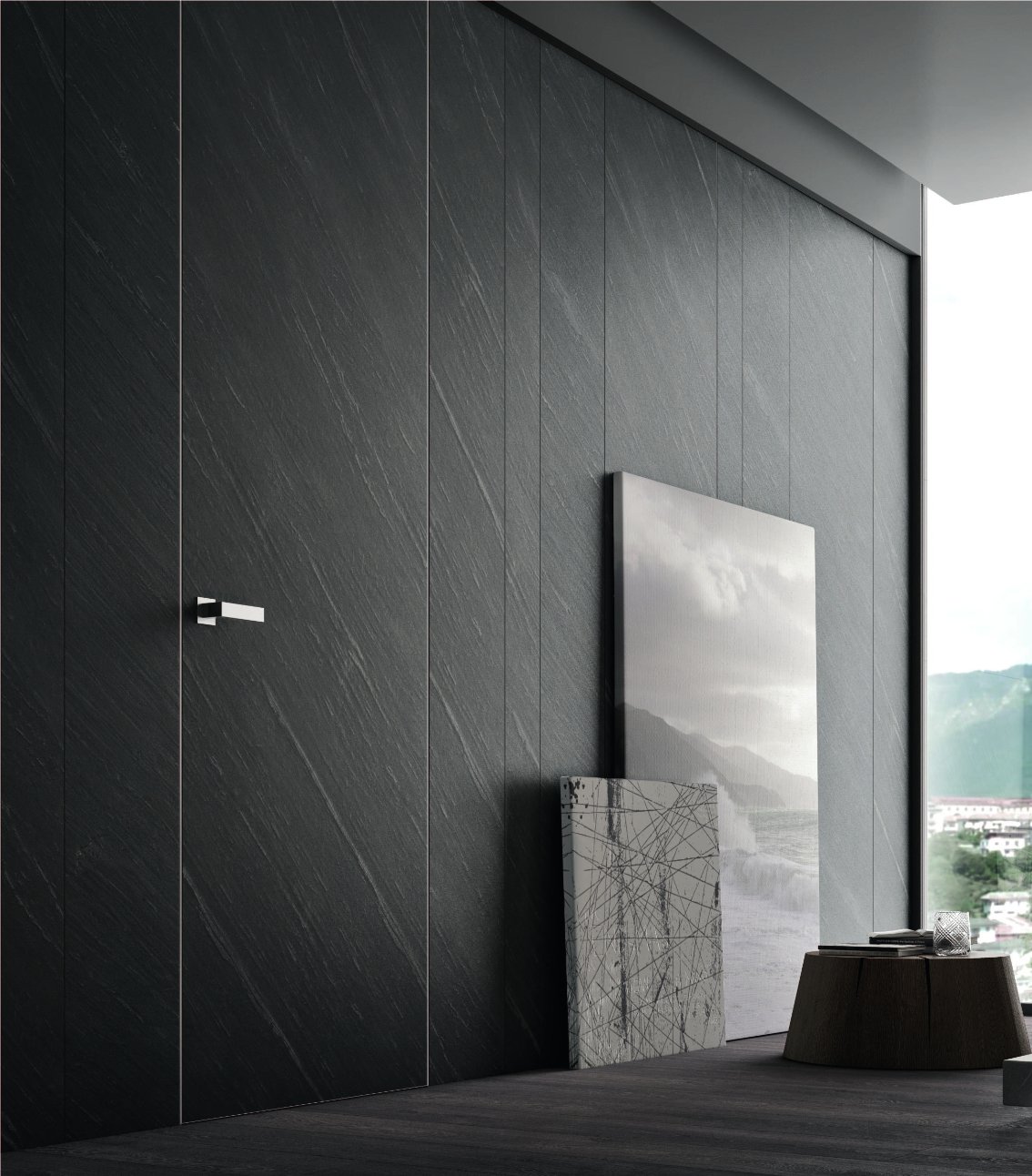
Real Value is in the Details
At ITALdoors, design and performance are never at odds—they are intertwined. Each door is not just visually compelling but also built with precision and purpose. From the subtle click of a magnetic lock to the smooth swing of a concealed hinge, the experience of using an ITALdoors product is intentionally seamless. The finish isn’t just about how it looks—it’s about how it feels, how it holds up over time, and how it elevates the environment it inhabits.
This union of style and substance is what separates a nice door from a truly exceptional one.
Sustainability: Built to Last, Designed to Respect the Planet
True value doesn’t come from replacing something every few years. It comes from choosing something that’s meant to endure—physically and aesthetically.
ITALdoors prioritizes eco-friendly materials and sustainable manufacturing practices to reduce environmental impact without compromising on luxury. By focusing on durable core materials, low-VOC finishes, and engineered wood veneers, we ensure that your doors won’t just stand the test of time—they’ll do so responsibly.
Our collections are designed with longevity in mind, reducing the need for frequent replacements, and thus minimizing waste. Every choice—down to packaging and logistics—is aligned with our commitment to sustainability and quality.
Explore the ITALdoors collection today
Speak with one of our experts to find the perfect door for your project
Because behind every great design is a door that knows exactly where it’s going.