When a hurricane is approaching, most homeowners know the basics: stock up on water, secure outdoor furniture, board up windows, and follow evacuation orders if necessary. But even the most meticulous preparations can overlook one surprisingly simple action that plays a critical role in protecting your home—closing interior doors.
The strength of a hurricane lies not just in its winds and rainfall, but in the way it manipulates air pressure inside your home. Often underestimated, the doors between rooms can become pivotal players in determining how well your house withstands the storm. According to experts and leading safety institutes, this one step can make a dramatic difference in your home’s structural integrity during high winds.
Let’s dive into the science behind it.
The Science Behind Wind Pressure in a Hurricane
How hurricane winds create dangerous pressure zones
Hurricanes are characterized by strong, swirling winds that can easily exceed 100 mph. These winds don’t just batter the exterior of your home—they look for ways to get inside. Once wind enters the structure, through a broken window or an improperly sealed door, it begins to increase the internal air pressure rapidly.
Imagine a balloon being inflated. The more air you pump in, the greater the internal pressure becomes until the material can no longer hold. Your home functions much the same way during a hurricane. If this pressure is allowed to accumulate unchecked, it can place immense upward force on your roof, leading to structural failure.
Primary wind entry points: exterior breaches and open doors
Most homeowners understand the risk posed by broken windows or open exterior doors, which are often reinforced or covered with storm shutters. However, the internal layout of the house also plays a role. Once wind gains access to the interior, it doesn’t stay put in one room—it travels rapidly from space to space, seeking outlets.
If your interior doors are open, this allows wind to move freely through hallways, staircases, and rooms. Each passageway becomes a pressure channel, distributing force unevenly and placing critical stress on the upper levels—especially the roof.
Air pressure buildup: a balloon inside your home
To visualize what’s happening inside your home during a storm, imagine this: the wind rushes in through a breach, travels freely through the home’s open floor plan, and becomes trapped. With all that air accumulating and circulating, your house becomes a balloon expanding from the inside.
The structure wasn’t designed to handle this kind of internal pressure. Roofs, in particular, are vulnerable to lift from below when pressure increases inside the house. That’s why many hurricane-damaged homes appear to have had their roofs “blown off”—the real cause is internal pressure pushing the roof upward until it detaches.
Why controlling internal airflow protects your home’s structure
Closing interior doors may seem like a minor act, but it’s one of the most effective ways to manage the internal airflow. By compartmentalizing the house, you reduce the space in which pressure can build. This limits wind’s ability to travel freely and gives each room a degree of insulation from pressure overload.
According to the Insurance Institute for Business & Home Safety, homes that have all interior, exterior, and closet doors closed show a significantly lower risk of roof failure during simulated hurricane events. The pressure is absorbed and dispersed more evenly, rather than focused upward toward the roof.
This means that, in the midst of the chaos, a closed door could be the barrier that keeps your home intact.
Why Closing Interior Doors Matters
Closed doors help reduce roof pressure and water intrusion
Once hurricane winds breach your home—through a broken window, a cracked doorframe, or even an improperly sealed opening—they don’t just cause physical damage through direct contact. The real danger lies in what happens next: a build-up of internal air pressure that strains the structural integrity of your home from within.
When interior doors are open, wind moves freely from one room to another, concentrating pressure in upper levels, particularly against the underside of the roof decking. This creates upward force, often referred to as “uplift”, which can detach roofing materials or entire roof sections.
Closing interior doors effectively creates compartments, slowing the wind’s movement and giving it less room to circulate. This dampens the overall pressure and reduces the likelihood of major damage. In turn, this also reduces the opportunity for rain and moisture to enter your home through structural failures—preventing devastating water damage during and after the storm.
Dispersing wind force instead of concentrating it
The key to minimizing hurricane damage is controlling how and where wind can travel within the home. Open interiors—especially those with high ceilings or open floor plans—allow wind to rush through freely. The more space wind can occupy, the more pressure it creates, and the more damage it can cause.
Closed interior doors break up this airflow. Think of it like placing walls within a maze—the wind has to work harder to navigate your space. Instead of forming a powerful gust in one direction, the force is dispersed across multiple rooms, reducing its intensity and slowing its momentum. This small architectural barrier—just a closed door—can make a measurable difference.
Common misconceptions: the “safe room” fallacy and airflow myths
Many homeowners wrongly assume that leaving interior doors open during a hurricane might allow wind to “pass through” the house more easily and reduce damage—this is a dangerous misconception.
Some believe in creating “airflow” to avoid pressure buildup. Others keep doors open to move between rooms quickly in case of emergency. While the intention is understandable, the science says otherwise: open doors give wind a direct path to multiply its pressure inside the home, increasing the risk of catastrophic failure.
Similarly, some homeowners designate a specific “safe room” and may think it’s unnecessary to close doors in other areas. But the IBHS findings show that every interior door plays a role in balancing and containing pressure. By closing all doors—not just those around a designated safe area—you’re increasing the entire home’s chances of surviving the storm.
In short, treating interior doors as a structural defense—not just as access points—is essential hurricane strategy.
Backed by data: IBHS wind tunnel testing results
According to data from the IBHS’s full-scale testing facility, homes that had all interior doors closed experienced up to 30% less pressure on their roof structure compared to homes with open interior passageways. This reduction is not only statistically significant—it’s enough to prevent total roof failure in many cases.
The organization strongly encourages homeowners to add “close all interior doors” to their hurricane preparation checklist, right alongside boarding windows and securing outdoor items.
As their official recommendation states:
“Closing interior doors can help reduce wind pressure inside the home during hurricanes and severe windstorms, which lowers the risk of roof failure and subsequent water intrusion.”
— Insurance Institute for Business & Home Safety (IBHS)
It’s one of the most cost-effective and immediate actions you can take to safeguard your home—and yet, one of the most overlooked.
ITALdoors and Hurricane Safety: Solid Construction Makes a Difference
When it comes to interior doors, many people tend to prioritize aesthetics—color, finish, design—without considering the essential role these doors play in the safety and durability of the home, especially during extreme weather events like hurricanes. That’s where ITALdoors stands apart.
Based in Miami, a city well-acquainted with the power of hurricanes, ITALdoors has become a trusted name in high-end, Italian-designed interior doors. Known for combining sleek European elegance with practical engineering, ITALdoors’ products are built with far more than style in mind. Every component—from the hinges to the core materials—is crafted with structural integrity and long-term performance at the forefront.
Engineered to withstand pressure—even in extreme conditions
In storm-prone areas like Florida, having interior doors that can hold their own under pressure is not a luxury—it’s a necessity. During a hurricane, cheap or poorly installed doors can rattle, shift, or even blow open under stress, creating openings that allow air and moisture to wreak havoc inside your home.
ITALdoors products are built to meet the real-world challenges of high-pressure environments. Their solid-core construction ensures that each door has the density and mass required to resist internal air pressure buildup. Unlike hollow-core doors commonly used in mass-produced homes, solid-core doors do not warp or buckle easily, and they are far less likely to be compromised when every second counts.
This strength translates into real protection: when every door in your home is properly sealed, latched, and reinforced, the entire structure is better equipped to withstand the dynamic forces of a hurricane.
The importance of quality installation and materials
An interior door is only as good as its installation. ITALdoors doesn’t just supply premium doors—they offer a comprehensive, all-inclusive package that ensures each component is designed to work seamlessly:
- Door panel
- Door frame
- Casings
- Concealed hinges
- Passage lock
- Italian-designed handle
This attention to detail minimizes gaps, loose fittings, and weaknesses—all potential vulnerabilities during high wind events. By controlling the full door system from start to finish, ITALdoors ensures optimal performance and structural consistency.
Whether it’s a single swing door or a concealed sliding mechanism, every unit is installed with precision—because a door that doesn’t close securely is not a door that can protect you when it matters most.
What sets ITALdoors apart: concealed hinges, solid cores, and high-performance design
Every ITALdoors model features concealed hinges that are not just visually sleek, but functionally superior. Traditional hinges can weaken under repeated stress or allow air leakage. Concealed hinges, by contrast, offer greater alignment, enhanced durability, and a more secure seal.
Their doors are available in high-quality finishes such as Wenge, Matte White, Gray, Light Oak, Mahogany, and Hazel, and can be adapted to a wide range of door systems including:
- Standard swing doors
- Pocket doors
- Barn/sliding doors
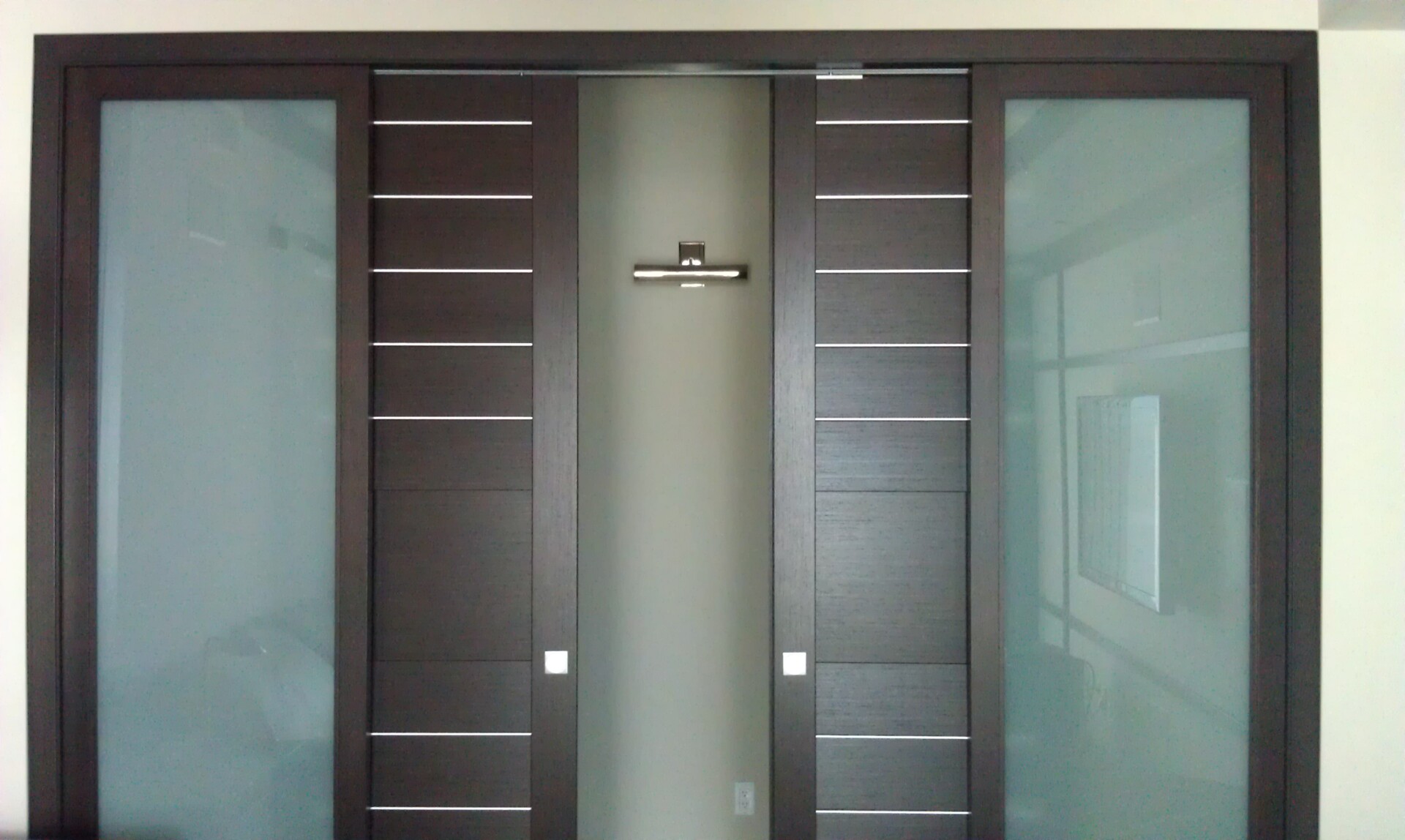
- Double bypass doors (ideal for closets)
- Double magnet doors
But beyond the luxury finishes and custom configurations lies a core of engineered resilience—a solid door, properly installed, that acts as your home’s interior line of defense against external pressure and internal chaos.
Interior Doors as More Than Just Design Elements
Function meets form: doors that do more than look good
We often think of interior doors as aesthetic elements—a way to complement your home’s décor, enhance room flow, and create stylistic harmony. And while they absolutely fulfill those roles, doors—especially those of premium construction—do much more than divide space.
A well-chosen interior door provides:
- Privacy: Creating boundaries in shared living spaces.
- Noise reduction: Blocking sound transmission for comfort and tranquility.
- Climate control: Helping to regulate airflow and temperature.
- Wind containment: Acting as structural buffers during storms.
In short, doors are functional components that contribute to your home’s safety and stability—not just its appearance. This dual role is especially important in areas like Florida, where homes must be prepared for both day-to-day living and natural disasters.
Every door type matters: swing, pocket, barn, and sliding
It’s a common misconception that some door styles are purely decorative or less secure. But with the right engineering, every type of door can offer resilience—as long as it’s properly built and installed.
For example:
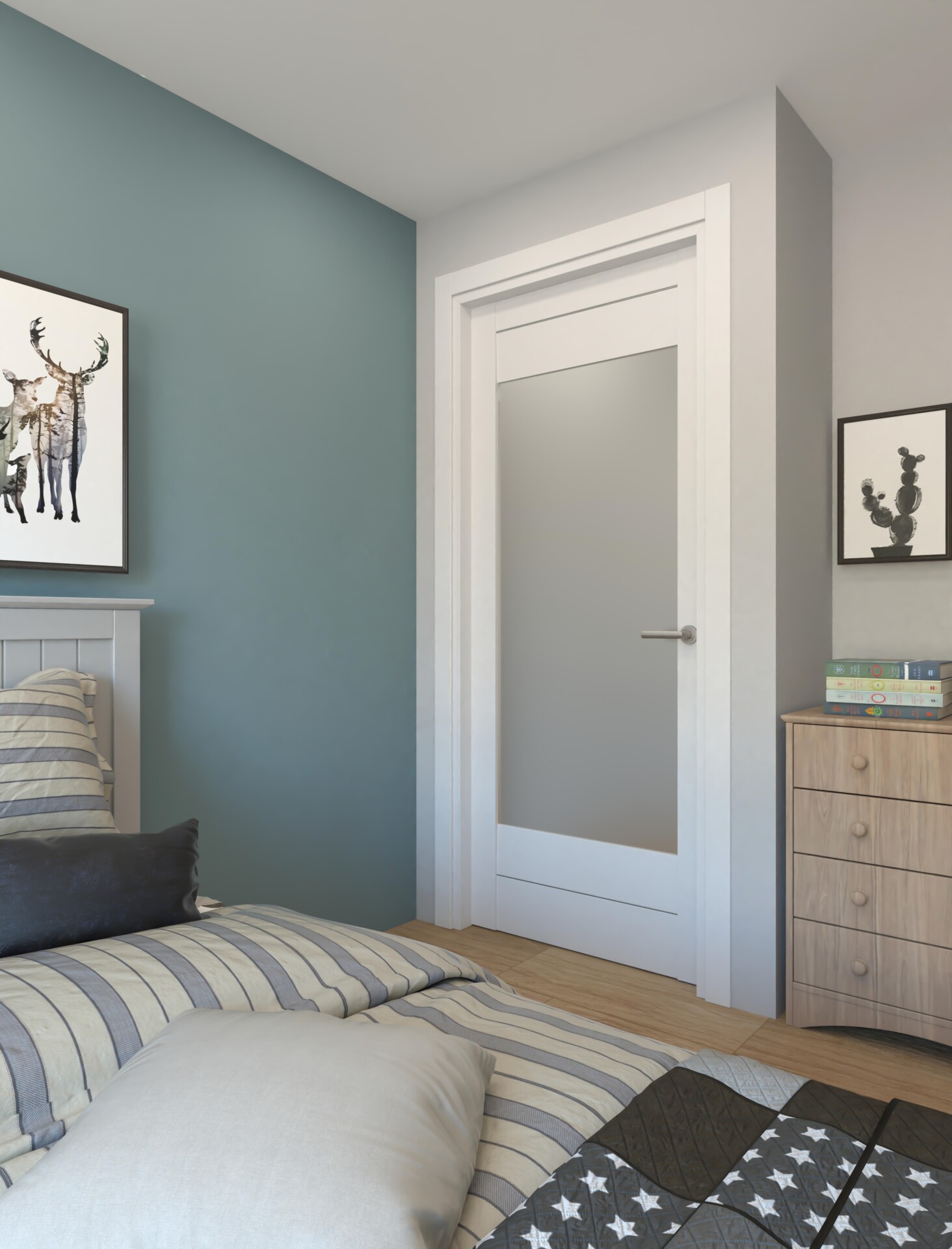
- Swing doors, the most common interior option, provide the most secure seal when latched.
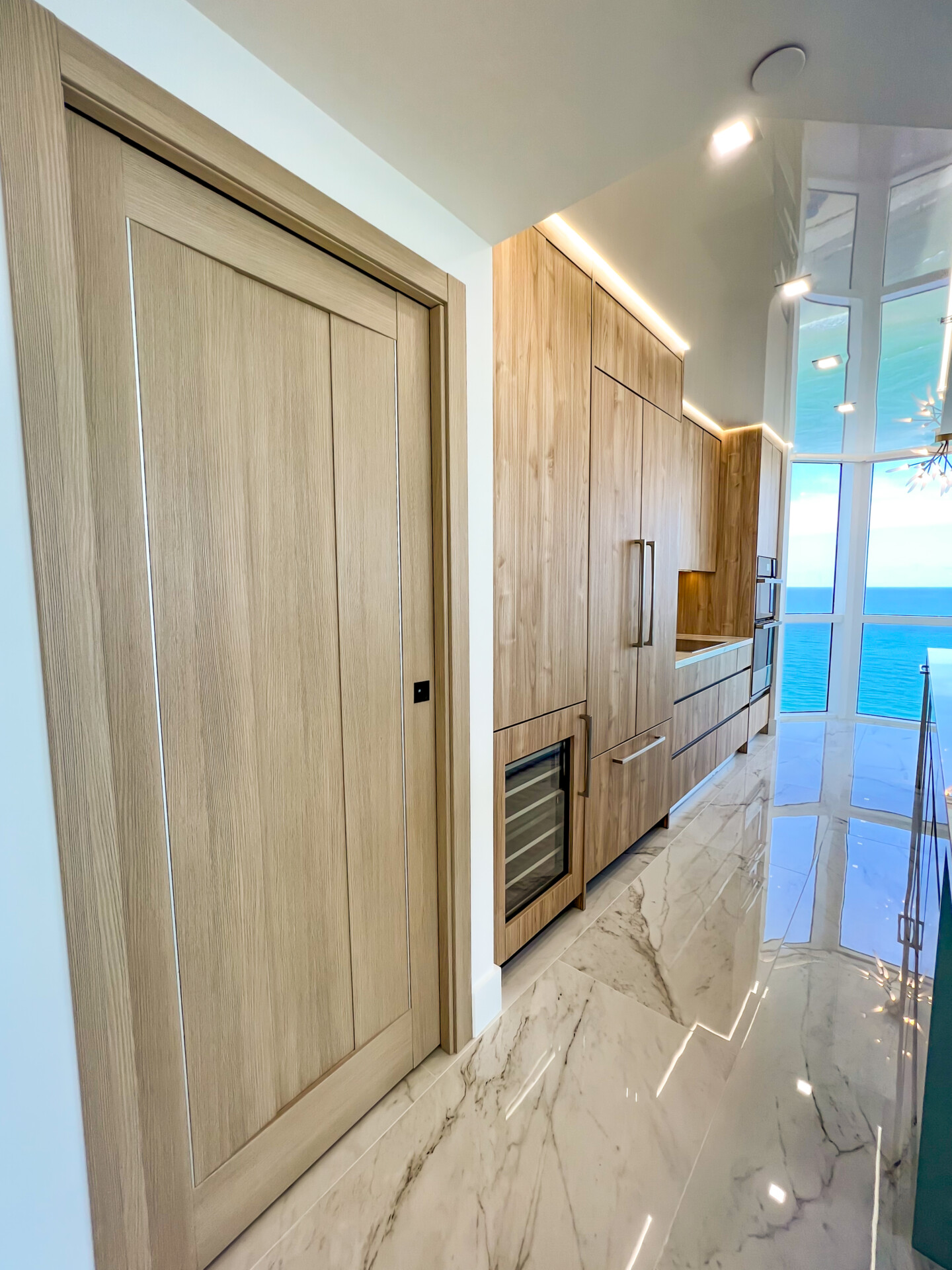
- Pocket doors, which slide into the wall cavity, can be engineered with a snug fit that minimizes air passage.
- Barn doors and wall-mounted sliders, often viewed as aesthetic upgrades, can still be built from solid cores with reinforced hardware for strength.
ITALdoors ensures that each style of door maintains its protective function without compromising on design. Whether you’re going for minimalist modernism or traditional elegance, you’re not trading beauty for safety—you’re getting both.
Style and storm-readiness: the ITALdoors advantage
The beauty of ITALdoors lies in its seamless integration of contemporary Italian style with hurricane-conscious durability. Miami’s coastal climate demands materials that can handle humidity, high winds, and sudden pressure changes—and ITALdoors delivers.
Every product in their collection is designed with Miami’s architectural realities in mind, offering both form and function. Whether you’re installing in a high-rise condo, a single-family home, or a beachside villa, ITALdoors has solutions that match your aesthetic vision while adding a crucial layer of protection.
So the next time you admire the clean lines or matte finish of your interior doors, remember: they’re doing more than just tying your rooms together—they’re actively contributing to your home’s structural safety.
Expert Tips for Hurricane-Ready Interiors
Preparing your interior doors: small steps with big impact
As hurricane season approaches, most homeowners know to check shutters, clear gutters, and stock emergency kits. But what often gets left off the checklist is a thorough inspection of interior doors. Given the crucial role they play in regulating internal air pressure during a storm, preparing these doors properly can offer meaningful protection.
Below is a step-by-step checklist to help you ensure your home’s interior doors are storm-ready.
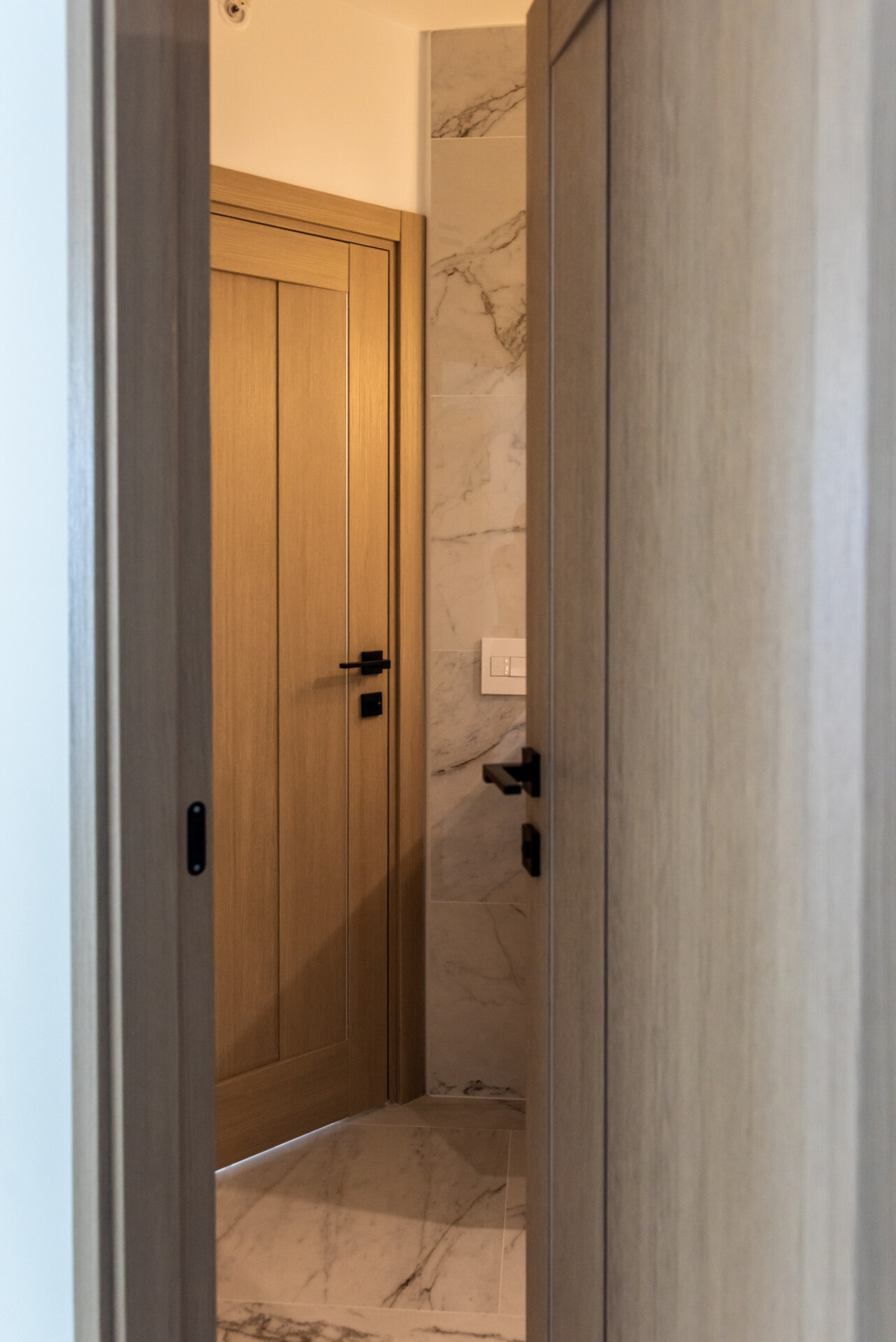
Close and latch all interior doors
This is the most immediate and effective action. As soon as a hurricane warning is issued:
- Go room by room and close all doors—bedrooms, bathrooms, closets, laundry rooms, pantries.
- Make sure each door latches securely. If a door doesn’t latch or clicks loosely, it may open under pressure during high winds.
- Don’t forget often-overlooked doors like attic access points, basement doors, and interior garage doors.
Closing and latching every interior door compartmentalizes your home, limiting internal airflow and reducing the risk of roof uplift.
Ensure door frames are tightly fitted and hinges are secure
Even the best door panel can’t offer full protection if the frame it sits in is compromised. Before hurricane season:
- Inspect every door frame for cracks, movement, or gaps—especially at the top corners and bottom edge.
- Check hinges for tight screws and rust-free operation. Hinges should hold the door firmly without wobbling or sagging.
- Pay special attention to older doors or those exposed to humidity, as moisture can warp frames over time.
A tightly fitted frame ensures the door remains a strong barrier under storm conditions and reduces the chance of blowouts or misalignment under pressure.
Inspect all locks and passage hardware
Functional locks are not just about security from intruders—they keep doors sealed under wind pressure. Whether your interior doors use passage locks, privacy locks, or magnetic systems, ensure:
- They close snugly without needing to be forced.
- The latch extends fully into the strike plate and doesn’t wiggle.
- Magnetic or soft-close systems engage and stay closed when shaken.
Proper hardware helps doors resist the force of internal air pressure and provides another layer of stability when the storm arrives.
The added value of solid-core vs. hollow-core doors
Many homes—especially those built on tight budgets—are outfitted with hollow-core doors. These doors are lightweight, inexpensive, and easy to install, but they offer very little resistance to pressure, noise, or moisture.
Solid-core doors, like those provided by ITALdoors, are crafted from engineered wood or composite materials that:
- Withstand high pressure and resist warping.
- Provide better sound and thermal insulation.
- Remain intact even when struck by debris or exposed to shifting pressure zones.
In hurricane-prone areas, upgrading to solid-core interior doors is not just a style choice—it’s a safety investment.
The role of proper installation and long-term maintenance
Even the best door can fail if it’s poorly installed. To ensure doors perform at their best:
- Hire professionals to install doors with precision—especially when upgrading to solid-core or sliding options.
- Check caulking, seals, and hardware annually before hurricane season.
- Lubricate hinges and tighten loose screws to prevent warping or sagging over time.
For homeowners in Miami and beyond, this combination of Italian craftsmanship and local expertise makes ITALdoors the clear choice for hurricane-ready interiors that look as good as they perform.