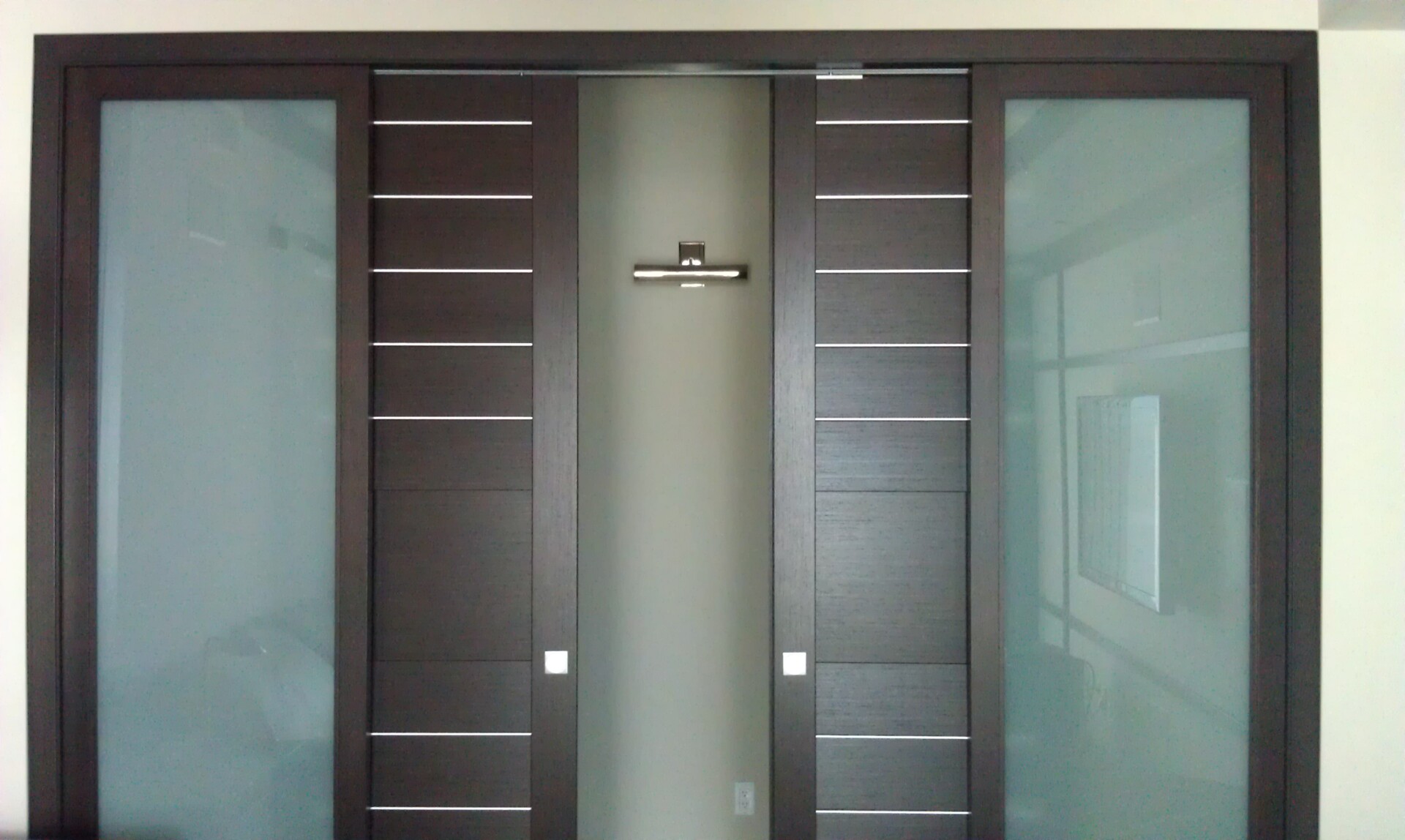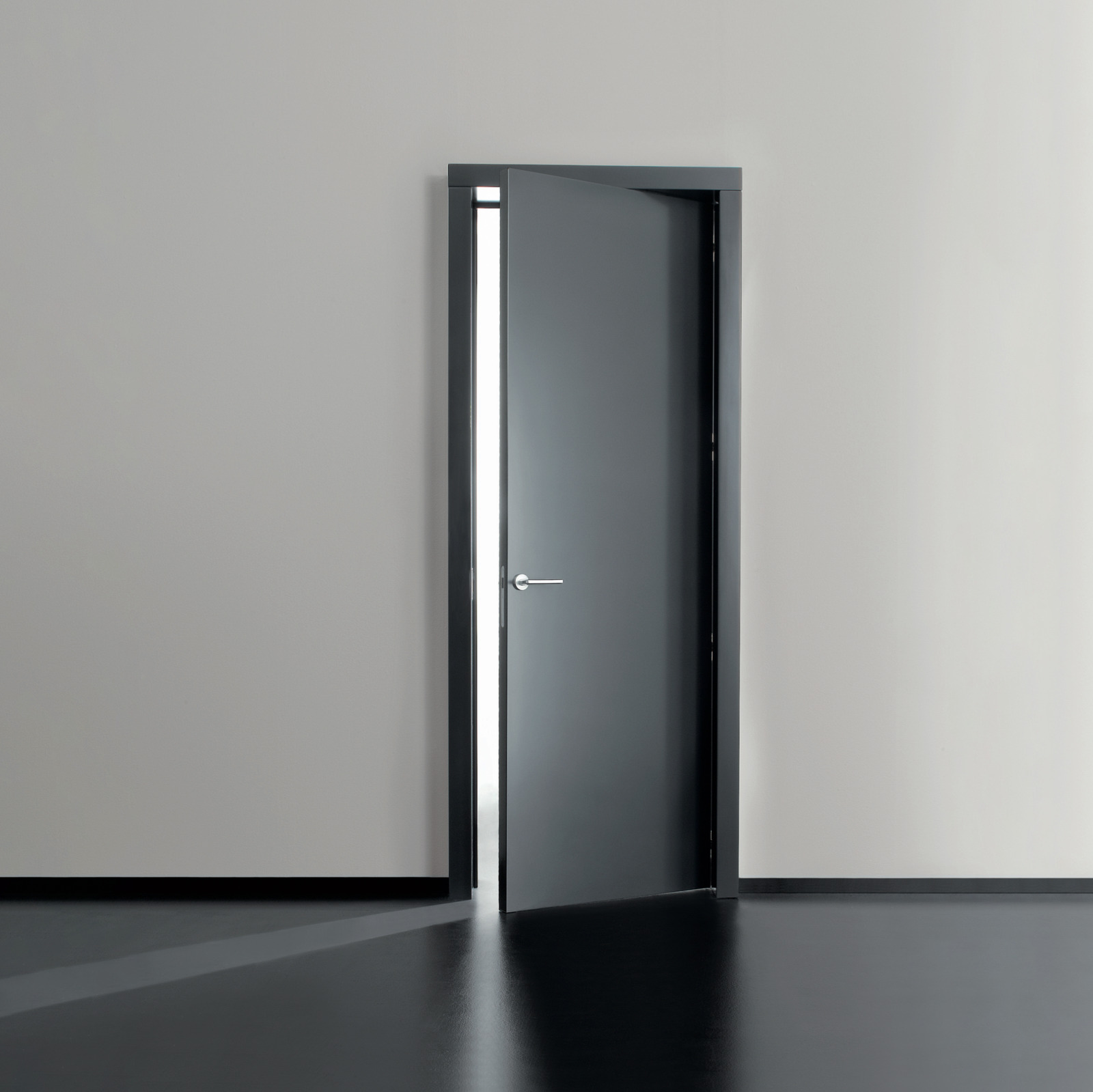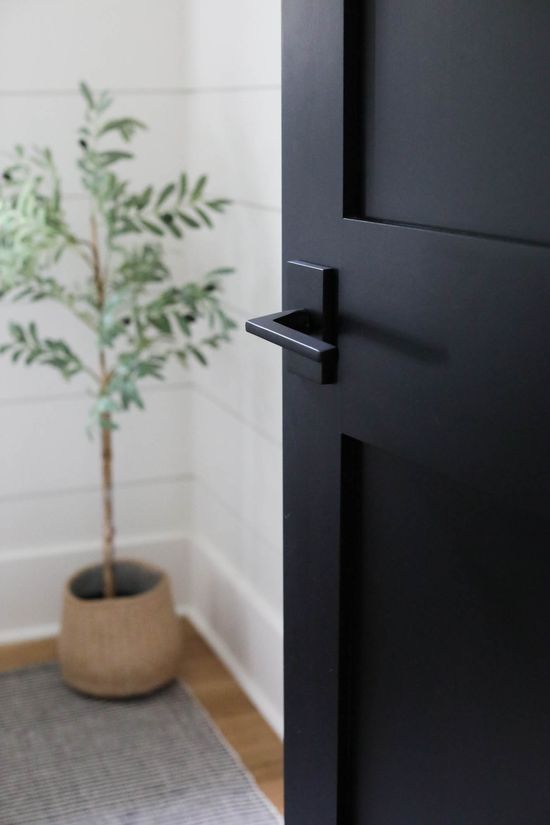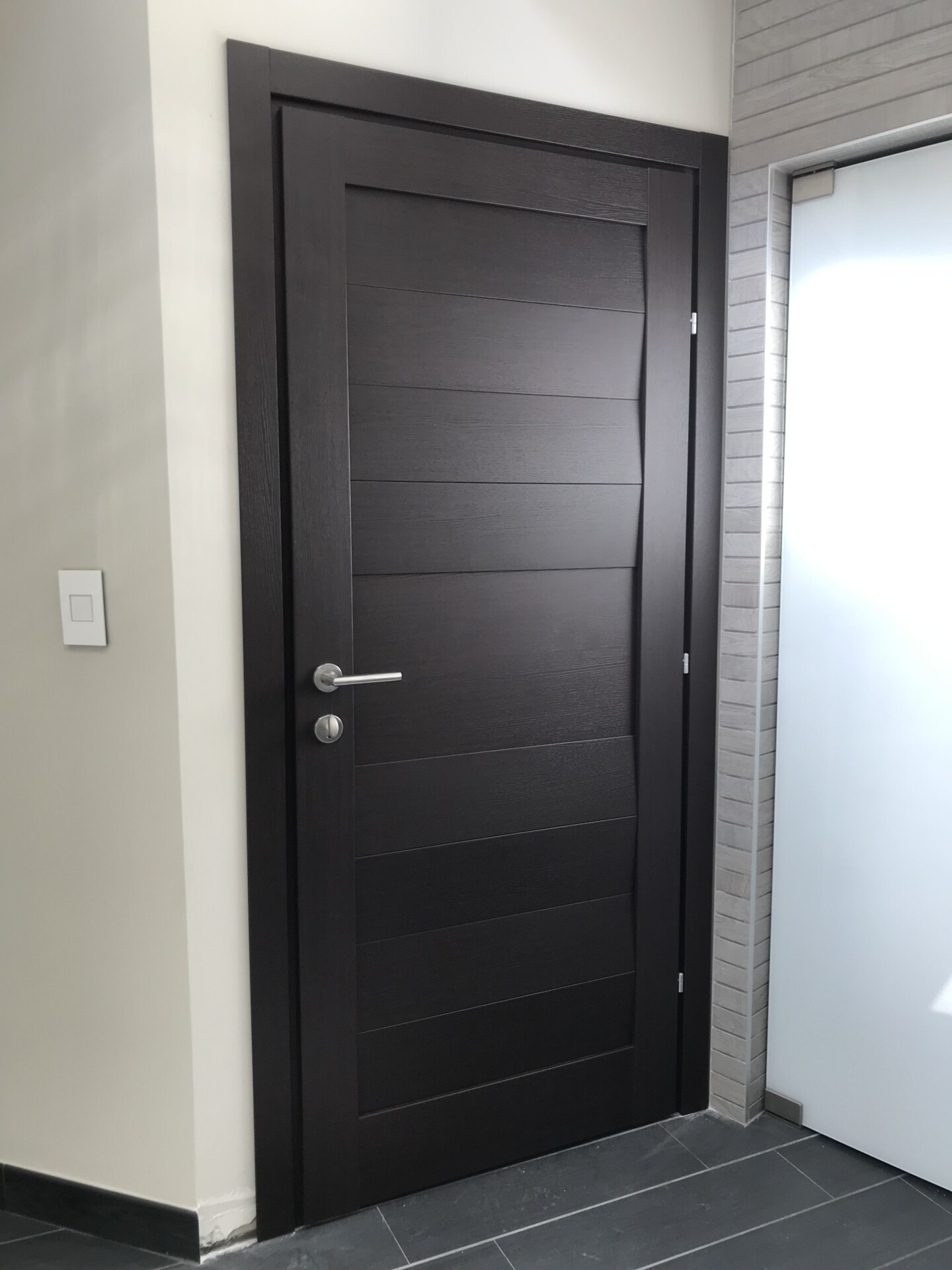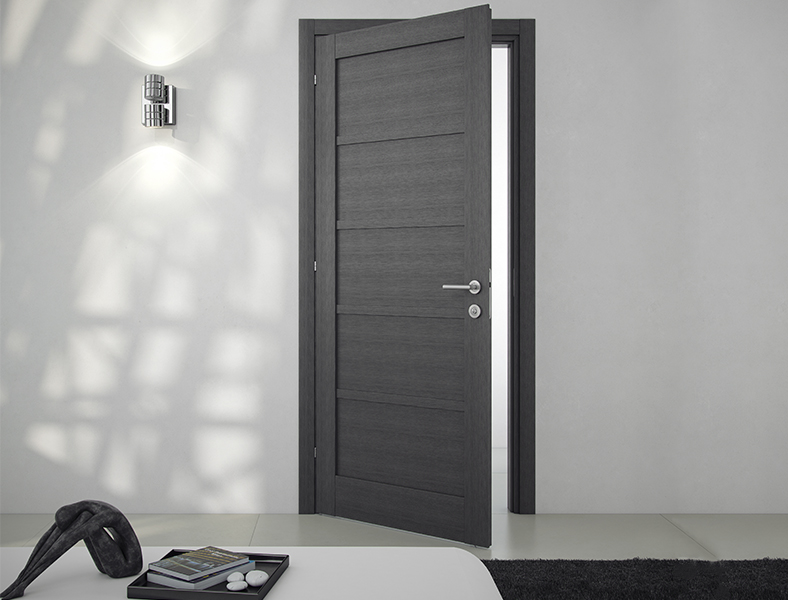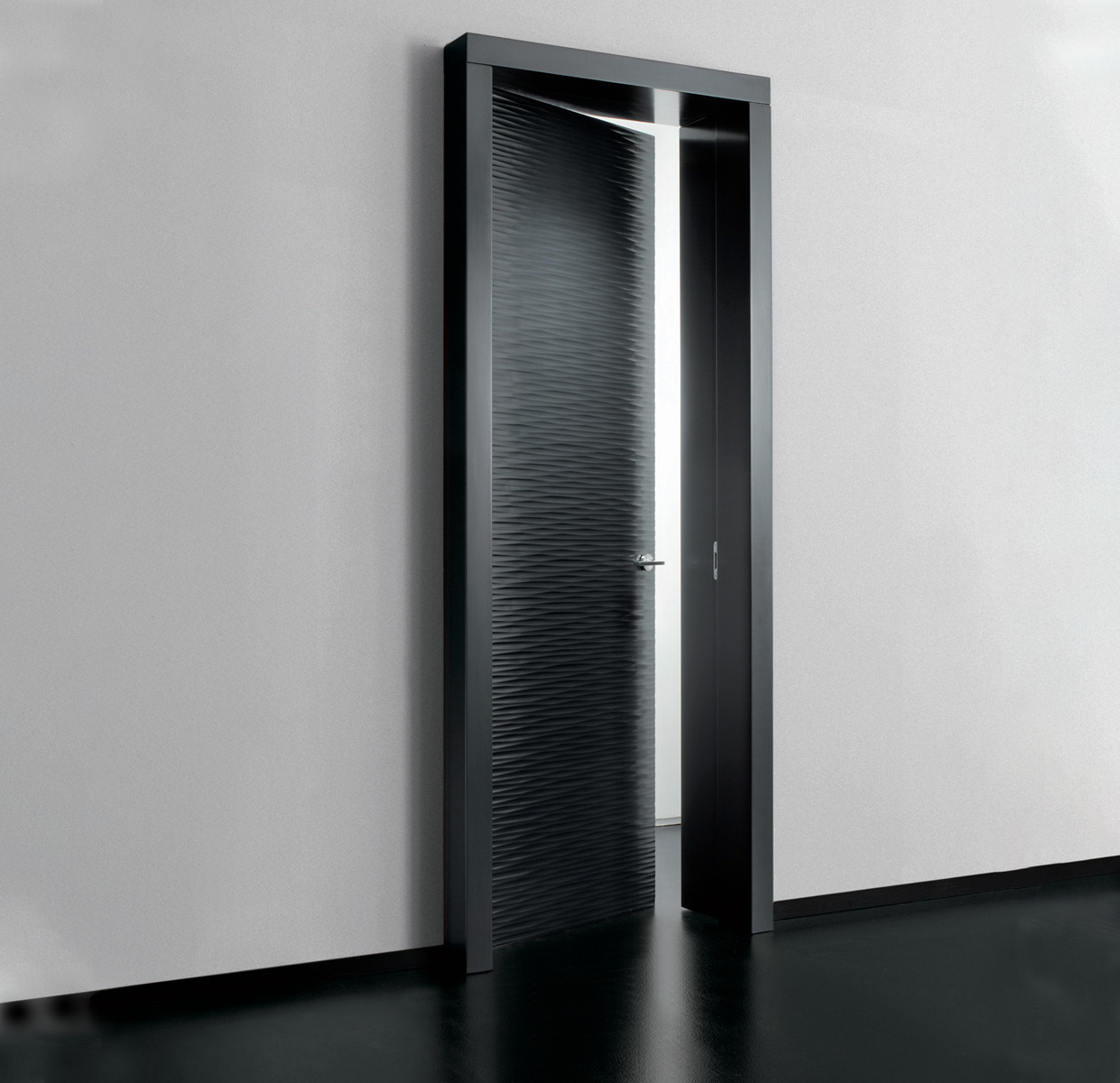
Many homeowners still think a door is only a practical divider, but in 2026, black interior doors remain one of the clearest ways to add contrast, depth, and architectural polish to a home. The answer to “are black interior doors in style” is yes, but the most successful black door interior design ideas now rely on warmer balance, better materials, and more intentional styling rather than trend-driven drama alone.
Why black interior doors became such a powerful design statement
Black adds instant contrast and clean lines
One of the main reasons black interior doors became so influential in residential design is their ability to create immediate structure. A doorway is already an architectural transition point. It marks movement, privacy, entry, and separation. When that transition is outlined in black, the effect becomes more defined. The opening no longer disappears into the wall. It becomes part of the room’s visual language.
This matters because many interiors benefit from stronger lines. A black door makes edges feel crisp. It helps openings read more clearly, especially in homes with open plans or minimal decorative detail. Where white doors can sometimes blend into trim and wall color, black doors introduce a clean graphic quality that gives the space more confidence.
That visual definition is especially effective in homes where the architecture is relatively simple. In those settings, contrast becomes an efficient way to create interest. You do not need elaborate paneling or expensive ceiling work to make a hallway feel more elevated. A well-proportioned black door with quality hardware can provide the sense of precision that the architecture itself may lack.
This is one of the biggest appeals of black interior doors: they make a home feel more intentional without requiring visual excess.
It introduces depth without clutter
Many homeowners want interiors with character, but they do not want rooms that feel overdecorated. Black doors solve that problem elegantly. They add depth and drama without adding clutter.
A dark door naturally carries more visual weight than a pale one. That weight can be extremely useful in a room that feels too flat, too neutral, or too evenly toned. Instead of introducing personality through more furniture, more accessories, or louder finishes, a black door can do part of that work quietly. It changes the atmosphere of the room while keeping the overall design restrained.
This is especially relevant in 2026, when many interiors are moving toward a softer kind of sophistication. Homeowners still want warmth and comfort, but they also want their spaces to feel designed. Black doors allow a room to feel richer and more layered without abandoning simplicity.
A black door can create depth in several ways:
- by visually grounding a wall that would otherwise feel blank
- by creating a stronger transition between rooms
- by making nearby materials such as wood, stone, or fabric appear warmer and more textured
- by helping hardware, casing, and frames read as part of a complete system
- by giving a space a stronger focal point without overwhelming it
The best part is that this depth feels architectural rather than decorative. That distinction is important. Decorative choices can date quickly. Architectural choices tend to last longer because they feel embedded in the structure of the home.
It brings modern chic even into standard builder-grade spaces
Not every home begins with dramatic ceiling heights, custom moldings, or luxury finishes. Many people are working with ordinary bedrooms, simple corridors, standard openings, and practical layouts. One of the reasons black doors became such a strong design move is that they can elevate even these everyday conditions.
In builder-grade interiors, many components tend to be visually neutral in the least memorable way. White doors, white trim, pale walls, and standard hardware can all merge into a background that feels functional but not distinctive. A black interior door interrupts that blandness. It introduces contrast, sharpness, and a more curated look without requiring a full remodel.
This effect is particularly powerful in the following areas:
- entry corridors that need more definition
- bedrooms that feel plain or underfinished
- home offices that need a more focused, tailored mood
- living areas where modern details need reinforcement
- renovated apartments where the goal is to make standard layouts feel more custom
A black door can make these spaces feel more expensive because it suggests intention. That is a major part of what people are buying when they choose higher-end finishes. They are not only paying for the material itself. They are paying for the impression that every element was selected with purpose.
When the door is paired with concealed hinges, a magnetic latch, refined casing, and a consistent finish, the result becomes even stronger. Instead of looking like a painted afterthought, the door reads as part of an integrated architectural package.
Black acts like jewelry in interior design
A useful way to understand black doors is to think of them as jewelry for the home. Jewelry works best when it complements the whole look, adds polish, and sharpens the impression without fighting everything around it. A black door does the same.
This analogy helps explain why black can be so effective and why it can also go wrong when overused. A carefully chosen accessory adds elegance because it brings contrast and refinement. Too many accessories, or the wrong accessory in the wrong context, can feel heavy-handed. Black doors operate under the same principle.
Used well, they:
- highlight surrounding finishes
- reinforce the tone of the interior
- create visual rhythm from room to room
- add a sense of luxury without obvious extravagance
- give the home a more complete and memorable identity
This is why black doors are rarely at their best when they are treated as isolated style statements. Their real strength appears when they are integrated into a broader palette of materials and proportions. In a home with warm wood floors, soft walls, quality hardware, and balanced lighting, a black door feels like the finishing touch that completes the composition.
| Design context | How black interior doors work | Best supporting elements |
|---|---|---|
| Modern interiors | Black doors reinforce clean lines, sharp openings, and a disciplined architectural look. They help the interior feel more tailored, precise, and visually cohesive without adding unnecessary decoration. | Flush slabs, minimal trim, concealed hinges, magnetic latches, matte finishes, and white, warm neutral, or plaster-like walls. |
| Transitional homes | Black doors bridge classic and contemporary elements, sharpen traditional trim, and give the home more visual clarity without making it feel cold or overly modern. | Warm woods, soft whites, subtle millwork, and a balanced mix of black, brass, and brushed nickel finishes. |
| Minimalist and warm minimalist spaces | In minimalist interiors, black gives softness structure and acts more like punctuation than drama. It helps architectural elements do more of the design work. | Creamy white walls, pale or medium oak flooring, linen textures, natural stone, soft ceramics, and quiet indirect lighting. |
| Luxury and high-end custom interiors | Black doors feel sculptural and confident in larger, more detailed spaces. They communicate stronger architectural identity, finish quality, and visual rhythm across the home. | Oversized doors, full-height openings, premium hardware, wall paneling, glass inserts, frameless detailing, and pivot systems. |
| Home offices, media rooms, and moody spaces | Black supports focus, intimacy, and a more grounded atmosphere. It helps these rooms feel more separate, refined, and purpose-driven. | Controlled lighting, richer fabrics, layered textures, stronger palettes, and quieter, more enclosed layouts. |
| Homes with good natural light | Daylight keeps black looking crisp and dimensional instead of heavy. It softens strong contrast and helps the door read as elegant rather than oppressive. | Large windows, bright hallways, sunlit bedrooms, open living areas, and layered artificial lighting where needed. |
| Interiors with light or warm-toned walls | Black stands out clearly while still feeling inviting when placed against softer, warmer wall colors that reduce harshness and create breathing room. | Soft white, warm white, off-white, sand, taupe, beige, mushroom, and warm plaster tones. |
| Spaces with natural wood floors | Wood flooring softens the graphic quality of black and makes it feel more approachable, layered, and livable in real homes. | Light oak for fresh contrast, medium walnut for warmth, warm engineered wood, and richer wood tones for more intimate interiors. |
| Homes with intentional material layering | Black feels more complete and less stark when it is supported by varied textures and finishes that add warmth, softness, and movement throughout the room. | Wood, stone, ceramic, brushed metal, glass, textiles, and plaster-like wall finishes. |
| Taller or wider-than-standard doors | Generous proportions make black doors feel more architectural and elegant. The dark outline emphasizes height, width, and the importance of the opening itself. | Slim precise frames, concealed hinges, minimal or integrated trim, premium handles, and clean wall conditions around the opening. |

When black interior doors can go wrong
Small, dark rooms with poor lighting
Black interior doors are not automatically a bad idea in small rooms, but they are less forgiving in spaces that already suffer from weak lighting and limited visual openness. In these settings, black can intensify existing problems if the rest of the room is not carefully balanced.
The issue is rarely the door color by itself. The real issue is usually the combination of several factors at once: too little daylight, insufficient artificial lighting, dark flooring, closed layouts, low ceilings, and a lack of contrast on nearby surfaces. In that environment, a black door may feel heavier because there is nothing around it to create relief.
This does not mean black must be avoided entirely. It means the supporting conditions matter more. A small room with good wall color, reflective light, and thoughtful material choices can still handle a black door well. But a cramped room with poor illumination and too many dark finishes will often struggle.
Warning signs include:
- hallways with little or no daylight
- bedrooms with dark walls and limited overhead lighting
- tight spaces where the door visually dominates the wall
- rooms with low ceilings and heavy dark furniture
- interiors where contrast already feels harsh or unresolved
In these cases, improving the lighting scheme or lightening the surrounding finishes may be more important than changing the door color itself.
Too many dark surfaces competing at once
Black doors need contrast to do their job well. When too many other surfaces compete with them in darkness, the room can lose shape and definition. Instead of feeling refined, the space begins to feel visually compressed.
A black door against a dark wall, dark floor, dark trim, and dark furniture can flatten the entire room because there is not enough differentiation between elements. The eye no longer sees the door as a strong architectural feature. It simply becomes one more heavy surface in a room full of heavy surfaces.
Dark interiors can absolutely be beautiful, but they require more precision than many people expect. If black is used on multiple large surfaces, the room needs relief through texture, sheen variation, lighting, proportion, or strategic lighter materials. Otherwise, the design may feel more oppressive than elegant.
To prevent this, it helps to ensure that at least some nearby surfaces offer:
- tonal contrast
- warmth
- texture variation
- reflective light
- visual breathing room
Black works best when it is part of a balanced hierarchy, not when everything around it is trying to carry the same visual weight.
The wrong sheen or finish
Finish can completely change how a black door feels. Two doors may be similar in color but look entirely different depending on sheen, surface depth, and how the finish reacts to light.
A glossy black finish can look glamorous in some environments, especially where the architecture is crisp and the room is carefully designed. But in many homes, high gloss can make the door feel too severe or too formal. It may also emphasize fingerprints, surface imperfections, and inconsistencies in installation more than the homeowner expects.
At the other extreme, a finish that is too flat or chalky can make the door look underdeveloped. Instead of feeling rich, it may feel dry or unfinished, especially if the surrounding materials are smoother or more refined.
In many interiors, the most successful choice is a balanced matte or satin finish. These finishes tend to offer enough softness to feel premium while still providing depth and clarity. They also interact more gracefully with both natural and artificial light.
Finish selection should take into account:
- the amount of daylight in the room
- wall color and texture nearby
- hardware finish
- style of the home
- how much visual softness or sharpness the design needs
Black is not a single look. Its final effect depends heavily on how it is finished.
Weak surrounding details
A black door draws attention to itself more than a light door does. That means all the details around it become more visible too. If those details are weak, the overall result can disappoint even when the color choice itself was smart.
Cheap trim, generic hinges, inconsistent hardware, and poor installation are especially noticeable next to black. Dark finishes have a way of revealing alignment, edge quality, gaps, and proportion very clearly. A door that might look acceptable in white can look far less convincing in black if the supporting details are not at the same level.
This is why black doors often perform better as part of a complete system rather than as isolated upgrades. The frame, casing, hinges, latch, and handle all contribute to whether the final impression feels intentional.
Weak surrounding details often include:
- bulky or poorly proportioned trim
- visible hinges that clash with the design direction
- mismatched metal finishes
- low-quality handles that look purely utilitarian
- sloppy paint lines or uneven reveal gaps
- installation that leaves the door feeling slightly off-center or unstable
Because black enhances contrast, it also enhances scrutiny. That is not a disadvantage when the quality is good. In fact, it is part of what makes black look so premium when done correctly. But it does mean the surrounding details must be taken seriously.
Best wall, floor, and hardware pairings for black door interior design
Best wall colors with black interior doors
Wall color is one of the most important factors in determining whether a black door feels elegant, dramatic, soft, or severe. Because black is visually strong, the wall color beside it needs to create the right kind of support. Some tones sharpen the contrast, while others soften it and make the overall room feel more welcoming.
Soft white is one of the safest and most versatile options. It gives black enough contrast to remain crisp without creating the coldness that can sometimes come from a bright, stark white. Warm white works similarly, but with a more inviting and residential tone. It is especially effective in homes where the goal is to combine modern design with comfort.
Greige alternatives are useful for homeowners who want something more layered than white but still neutral enough to let the black door remain the focal point. These shades help reduce harsh contrast while preserving sophistication. Mushroom and taupe tones go even further in this direction, creating a richer and more grounded palette that often feels especially timeless.
For those who want more color, olive green is one of the strongest companions to black. It gives the room depth and character while still feeling restrained. Muted clay or terracotta tones can also work beautifully, especially in interiors with warm woods, stone surfaces, or Mediterranean and organic-modern influences. Pale plaster tones are another excellent choice because they add softness, subtle irregularity, and a more architectural feel than flat paint alone.
The strongest wall pairings with black interior doors often include:
- soft white for balanced, crisp contrast
- warm white for a cleaner but more welcoming look
- greige alternatives for subtle depth and softness
- mushroom or taupe for warmth and quiet sophistication
- olive green for grounded, natural contrast
- muted clay or terracotta for richness and warmth
- pale plaster tones for softness and architectural character
The best choice depends on the mood of the home. Some interiors want clarity and freshness. Others want warmth and depth. Black can support both, but the wall color determines which direction the room takes.
Best flooring with black interior doors
Flooring is what grounds a black door physically and visually. Because the door often sits at the intersection of wall, trim, and floor, the surface beneath it has a major effect on whether the composition feels balanced. Good flooring choices do not just match the door. They either soften it, sharpen it, or frame it in a way that suits the room.
Light oak is one of the most consistently successful pairings. It gives black doors fresh contrast and natural warmth at the same time. The result feels modern, clean, and highly livable. This combination works especially well in homes that want a European or warm-minimalist direction.
Medium walnut flooring brings in more depth and a richer tone. Paired with black doors, it often creates a more tailored and luxurious feel. This pairing tends to suit transitional homes, high-end apartments, and interiors where warmth is still important but the overall palette is more sophisticated.
Concrete-look tile offers a different kind of relationship. It gives black doors a sharper, more urban edge and works particularly well in modern homes, loft-inspired interiors, and commercial-residential hybrids. Stone-look porcelain can create a similar effect, but often with a more upscale and refined minimalism, especially when the tone is warm gray, limestone-inspired, or lightly textured.
Strong flooring options with black doors include:
- light oak for contrast, freshness, and everyday warmth
- medium walnut for a richer, more luxurious atmosphere
- concrete-look tile for a sharper modern edge
- stone-look porcelain for upscale minimalism with material depth
In most homes, flooring works best when it adds warmth or texture rather than competing with the door’s darkness. That is why wood, stone-inspired surfaces, and subtly varied materials tend to outperform anything too flat or too visually severe.
Best hardware finishes
Hardware finish can shift the character of a black door dramatically. The same black door can feel ultra-minimal, warm and refined, or more commercial and contemporary depending on the metal finish used. This is why hardware should be chosen as a design decision, not just a practical detail.
Black-on-black hardware is the most minimalist option. It creates a quieter, more integrated look where the handle and latch do not pull focus away from the door plane. This approach works especially well in modern interiors, flush slab designs, and spaces where the goal is restraint.
Brushed brass introduces warmth and a subtle sense of luxury. It is particularly effective when the room already contains warm woods, cream walls, or soft earthy accents. Against black, brushed brass feels intentional and elegant without becoming flashy.
Satin chrome is a strong choice for clean contemporary spaces. It offers enough contrast to define the hardware clearly, but still feels restrained and practical. Stainless or matte metal finishes tend to suit commercial-modern environments, multifamily projects, and homes that want a crisp, performance-driven aesthetic.
Among the most effective hardware pairings are:
- black-on-black for minimalism and visual continuity
- brushed brass for warmth and quiet luxury
- satin chrome for clean contemporary interiors
- stainless or matte metal for commercial-modern applications
The best finish depends on the door style and the atmosphere of the room. What matters most is consistency. A black interior door looks strongest when the hardware finish supports the rest of the metal language in the home.
Why ITALdoors is a smart choice for black interior doors
Choosing black interior doors is not only about finding the right color. It is about finding the right source, the right system, and the right level of support to make that design decision successful. This is where ITALdoors becomes especially relevant.
The brand position is strong because it addresses both sides of the buyer’s concern: the desire for authentic Italian design and the need for practicality. Many homeowners and professionals love the look of premium European doors, but worry that achieving it will require long lead times, unclear pricing, or complicated sourcing. ITALdoors offers a more direct and dependable path.
Italian design without the usual delays
One of the most appealing parts of the ITALdoors offering is access to premium in-stock Italian doors without the extended waiting period many buyers associate with imported design products. This matters because timing is often one of the biggest sources of friction in a renovation or new build.
A faster path to a design-led result changes the buying experience significantly. Instead of choosing between style and schedule, buyers can pursue both. For homeowners, that means less disruption and a quicker finish. For industry professionals, it means fewer delays across the broader project.
ITALdoors makes this especially compelling by offering:
- premium in-stock Italian doors
- installation in as little as 2 to 4 weeks
- a more practical route to a refined architectural look
Affordable luxury with transparent pricing
The idea of black Italian interior doors often sounds expensive before buyers have even begun the process. That assumption can stop some homeowners from seriously considering a higher-end option. ITALdoors addresses this directly through a positioning built around affordable luxury and pricing transparency.
Competitive pricing matters, but transparency matters just as much. Buyers want to know what they are committing to and what they are not. Hidden fees and tariff surprises are exactly the kind of issues that can sour an otherwise exciting design choice. A brand that removes that uncertainty earns trust.
This value proposition is particularly strong for buyers who want a premium look without stepping into an unpredictable ordering process.
Complete door packages that simplify the process
One of the most practical strengths of ITALdoors is that the offering goes beyond the slab itself. The company provides a more complete package, which is exactly what many black door projects need in order to look truly resolved.
A black interior door relies on detail. When the system is fragmented, the result can feel inconsistent. When the components are designed and supplied together, the final effect is usually much stronger.
The all-inclusive package includes:
- door panel
- frame
- casings
- concealed hinges
- passage lock
- Italian handle
This is important because it gives buyers a more coherent result and reduces the need to assemble critical parts from disconnected sources.
Flexibility across styles and door types
Not every home needs the same kind of black door. Some buyers want a modern flush slab. Others need framed doors, glass doors, sliding systems, or more specialized architectural solutions. A strong supplier must be flexible enough to support different design directions without compromising quality.
ITALdoors offers breadth that supports multiple interior styles and functional needs, including:
- modern doors
- transitional doors
- flat panel doors
- specialty doors
- glass doors
- pivot doors
- sliding doors
- framed options
- frameless options
- wall-mounted solutions
This range matters because black works differently depending on the door type and the room. Buyers benefit when they can maintain a consistent design language while still choosing the most appropriate format for each space.
Support for both homeowners and professionals
A good product matters, but so does guidance. Doors influence aesthetics, function, privacy, acoustics, and project coordination, which means the buying process often requires more support than buyers initially expect. This is especially true with black doors, where execution and detail quality have such a visible effect.
ITALdoors is well positioned here because the support structure speaks to both homeowners and industry professionals. Homeowners benefit from personalized guidance through selection and installation decisions. Professionals benefit from specification support, practical coordination, and a one-stop-shop approach that helps simplify the broader project.

Frequently asked questions about Black Interior Doors
Are black interior doors in style in 2026?
Yes, black interior doors are still in style in 2026. The difference is that they are now being used in a more balanced and intentional way, often paired with warmer materials, softer wall tones, and better lighting.
Do black interior doors make a room look smaller?
Not necessarily. Black interior doors can look elegant even in smaller spaces if the room has enough light, contrast, and supportive finishes around them.
What wall colors go best with black interior doors?
Soft white, warm white, cream, taupe, mushroom, olive green, muted clay, and pale plaster tones usually pair very well with black interior doors. These shades help keep the contrast refined rather than harsh.
Are black interior doors timeless or trendy?
They can be both current and timeless. Black interior doors feel timeless when they are chosen to suit the architecture of the home and paired with the right materials, finish, and hardware.
What flooring looks best with black interior doors?
Light oak is one of the best choices for contrast and warmth, while medium walnut adds richness and depth. Concrete-look tile and stone-look porcelain can also work well in more modern interiors.