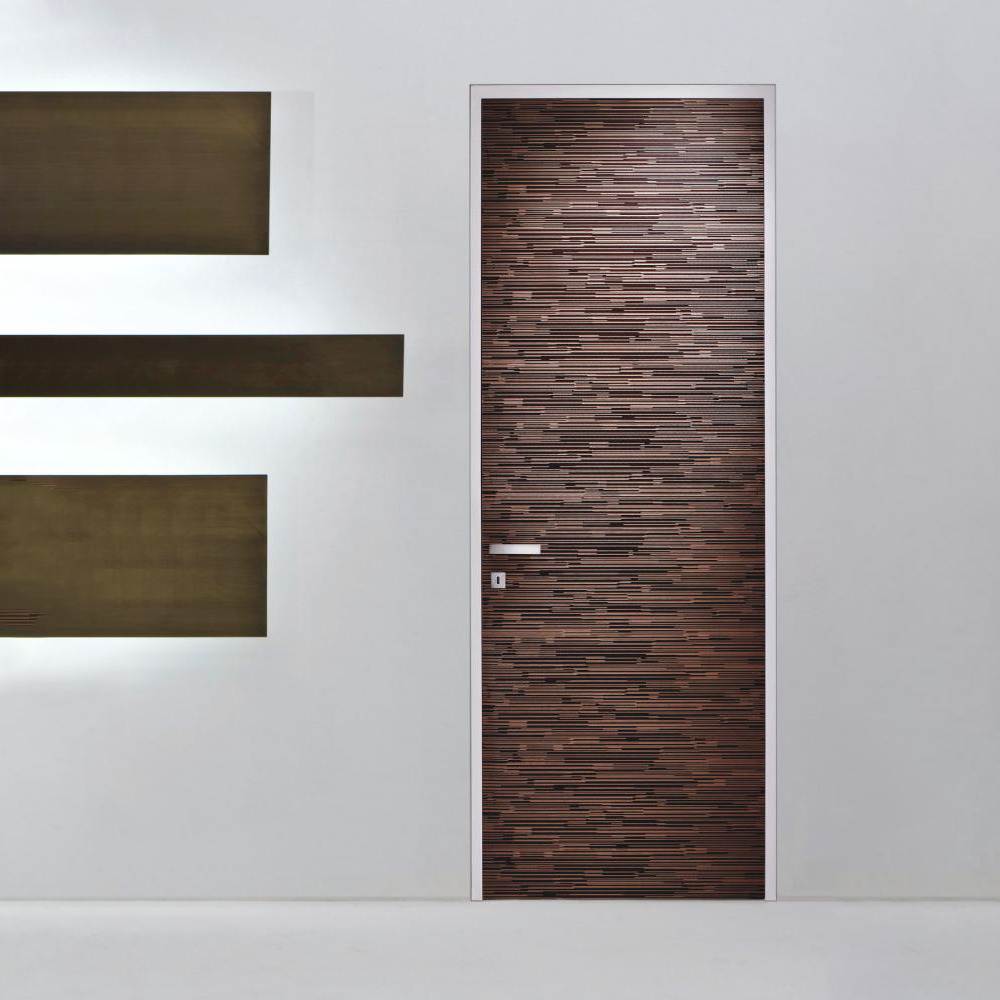
Installing an interior door may seem like a simple weekend DIY project, but in reality, it is a precise and multi-step process that requires proper tools, knowledge, and attention to detail. While many homeowners attempt a DIY door installation to save money, the process is often more complicated than expected.
A significant percentage of these projects result in failed attempts, leading homeowners to seek professional assistance after struggling with issues like uneven door frames, incorrect spacing, or doors that simply won’t close properly.
With years of expertise in precise door installation, Italdoors ensures that your interior doors are installed correctly the first time, eliminating the frustration and risks associated with DIY attempts. Whether you’re renovating your home or upgrading to high-end doors, Italdoors provides expert guidance and installation services tailored to your specific needs.
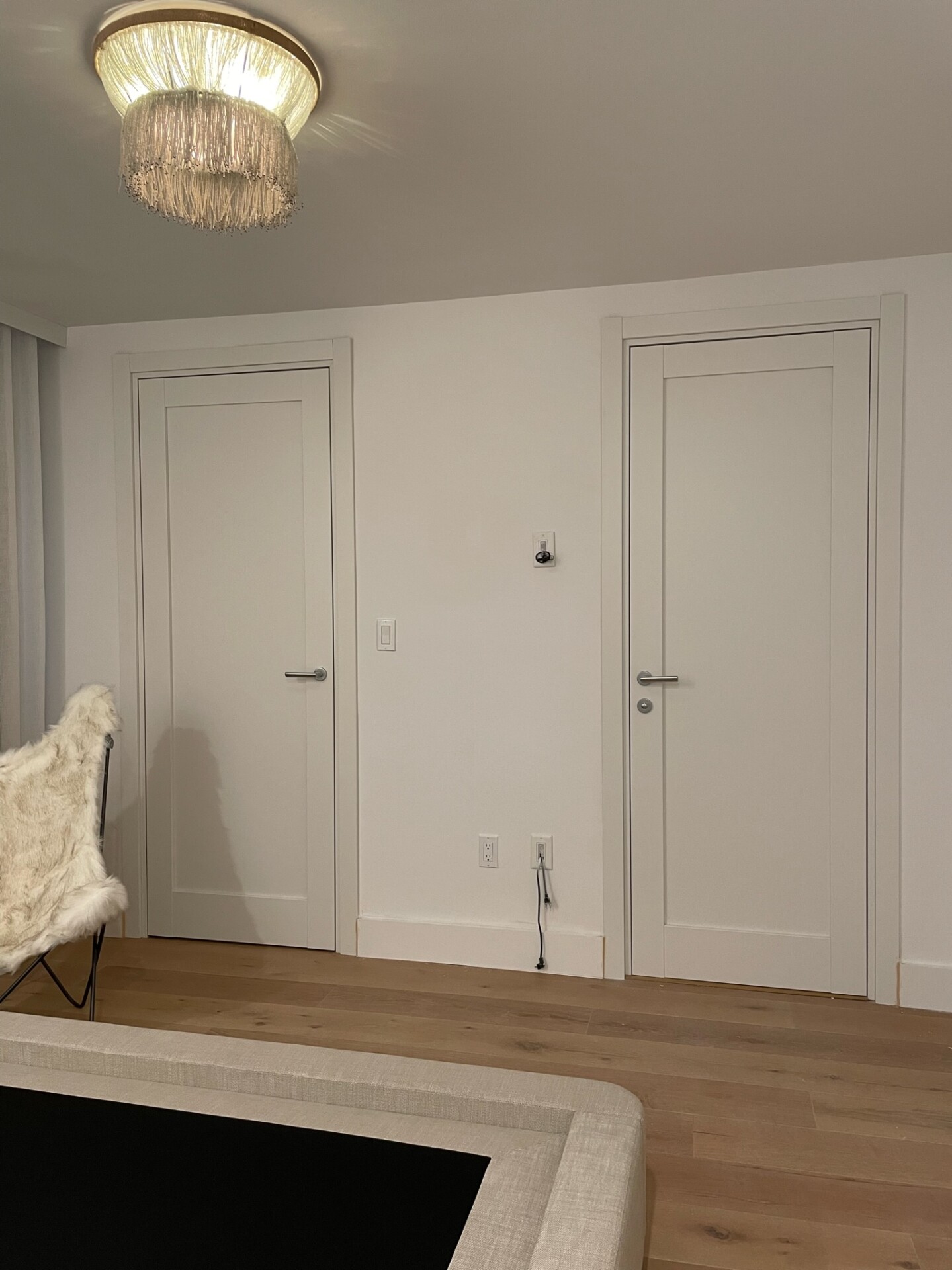
DIY vs. Professional Door Installation – What’s the Best Choice?
When faced with the decision of installing a new interior door, homeowners typically weigh two options: attempting a DIY installation or hiring a professional. Each approach has its pros and cons, and choosing the right one depends on several factors, including your skill level, available tools, time, and the complexity of the installation.
The Appeal of DIY Door Installation
The DIY movement has gained significant momentum, driven by the accessibility of online tutorials and the satisfaction of completing home improvement projects independently. Many homeowners are drawn to DIY door installation for the following reasons:
- Cost Savings – Hiring a professional can be expensive, and for budget-conscious homeowners, the idea of installing an interior door without labor costs is appealing.
- Sense of Accomplishment – Successfully completing a home improvement project provides a rewarding sense of achievement.
- Flexibility – DIY installations allow homeowners to work on their own schedules without waiting for an appointment with a professional installer.
However, while DIY installation may seem cost-effective initially, improper installation can lead to long-term issues that may end up costing more in repairs or replacements.
Why Most DIY Projects Fail
Although online guides make installing an interior door look easy, the reality is that door installation is a precise process that requires:
- Proper Measurements – Even a small measurement error can result in a door that doesn’t fit properly. The frame must be level, and the door must have the correct clearance to open and close smoothly.
- Specialized Tools – Installing an interior door requires tools like a level, saw, chisel, drill, and shims. Many homeowners don’t own these tools or don’t know how to use them correctly.
- Structural Adjustments – If the existing frame is misaligned, additional adjustments are needed. This can involve shimming the frame, planing the door, or adjusting the hinges—all tasks that require experience.
- Time Commitment – A simple door installation can take professionals just a couple of hours, but a DIYer may spend an entire weekend—only to realize that the door doesn’t fit properly.
When to Hire a Professional?
If you want a perfectly fitted, professionally installed interior door, hiring an expert is the best choice. Consider professional installation if:
- You lack experience or the necessary tools – A professional has the right tools and expertise to ensure a flawless installation.
- Your door frame is damaged or uneven – A professional can make precise adjustments to ensure the door fits properly.
- Time is a concern – If you don’t want to spend hours troubleshooting issues, a professional installation can save you time and frustration.
- You want a high-end door installed correctly – Premium interior doors from brands like Italdoors deserve expert handling to maintain their quality and longevity.
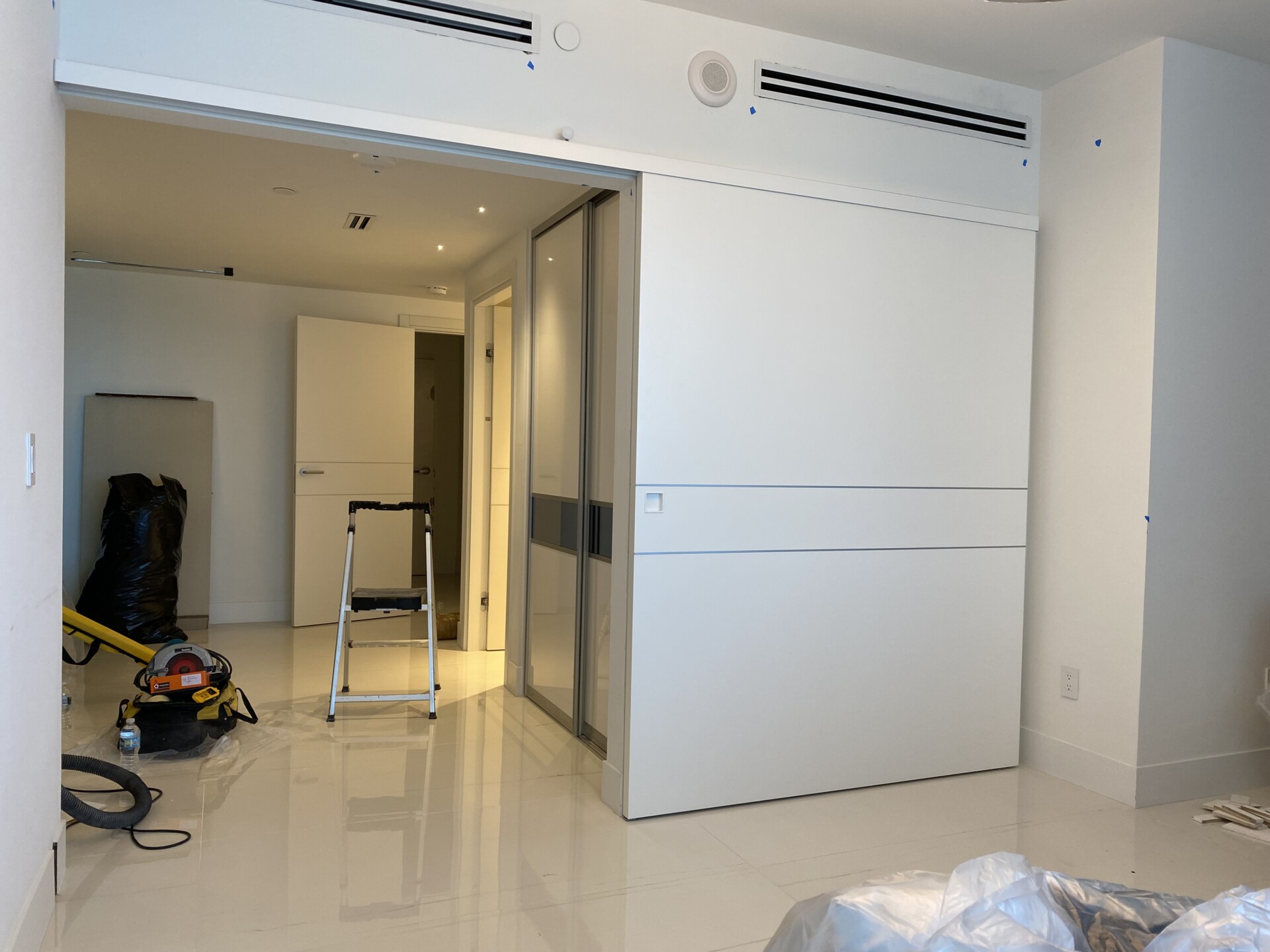
Step-by-Step Guide to DIY Interior Door Installation
Installing an interior door requires precision, patience, and the right tools. If any step is rushed or performed incorrectly, the result can be a misaligned door that doesn’t close properly. This guide breaks down the process into clear, actionable steps to help ensure a successful installation.
Step 1: Preparing the Door and Frame
Before installing a new interior door, it’s essential to properly prepare the door and frame. Many new doors come secured with transport braces to prevent damage during shipping and handling. Removing these braces carefully is crucial to avoid unnecessary stress on the door.
1. Unboxing and Inspecting the Door
- Carefully remove the door from its packaging, taking note of any hardware that may have been included (hinges, brackets, screws, or handles).
- Inspect the door for defects, warping, or damage. Even minor imperfections can cause misalignment issues.
- If the door has a protective film or plastic cover, do not remove it until installation is complete to avoid scratches.
2. Removing Transport Braces
- Most pre-hung doors are reinforced with braces to keep them stable during transit. These braces are typically attached with screws or nails at the corners.
- Using a screwdriver or drill, carefully remove the screws holding the braces in place. If nails are used, use a pry bar or hammer to gently lift them.
- Once removed, set the braces aside in case adjustments are needed later.
Proper preparation ensures that the door is in its best condition before installation, reducing the risk of structural issues later.
Step 2: Removing the Old Door and Frame
If you’re replacing an existing door, you’ll first need to remove the old door and its frame. This process requires patience to avoid damaging the surrounding walls and flooring.
1. Detaching the Old Door
- Unscrew the hinges: Use a drill or screwdriver to remove the screws from the hinges, starting with the bottom hinge and working your way up to prevent the door from falling unexpectedly.
- Remove the door from the frame: Once the hinges are detached, carefully lift the door out of the frame and set it aside. If the door is heavy, enlist help to avoid injury.
2. Removing the Existing Door Frame
- Assess the frame: If the door frame is damaged or misaligned, it’s best to replace it. If it’s in good condition, it may be possible to install a new door within the existing frame.
- Cut along the caulk line: Use a utility knife to cut any caulk or paint sealing the frame to the wall to prevent drywall damage.
- Pry off the trim: Using a pry bar, carefully remove the casing trim around the door. Work slowly to avoid damaging the drywall.
- Detach the frame: Remove any screws or nails securing the frame to the wall. A reciprocating saw can be used to cut through any nails in hard-to-reach areas.
- Check the rough opening: With the old frame removed, inspect the coarse opening (the space where the new door and frame will be installed).
3. Checking and Adjusting the Coarse Opening
- Measure the width and height of the rough opening, ensuring it is at least one inch wider and taller than the door’s external frame dimensions.
- Check if the subsill (the floor area beneath the door) is level. If the subsill is uneven, place a beveled board or wooden shims underneath to create a stable base.
- If needed, add a spacer board to adjust the height so the door swings properly above the flooring.
Removing the old door and ensuring a properly measured, level opening will set the foundation for a smooth installation.
Step 3: Measuring and Positioning the New Door
Before placing the door, precise measurements and proper preparation are essential for a seamless fit.
1. Confirming the Opening Dimensions
- The coarse opening should be at least one inch wider and taller than the door frame to allow for necessary adjustments.
- Use a level to check that the vertical and horizontal planes of the opening are straight. If they’re not, adjustments will be needed.
2. Applying Caulk for Stability and Insulation
- Apply a generous bead of caulk along the subsill where the bottom of the door frame will rest.
- Extend the caulk one inch along the front and rear edges of the subsill.
- For added stability, apply caulk at least two inches up the sides of the coarse framing.
- This step helps seal gaps, prevent drafts, and ensure the door remains securely in place over time.
Once the measurements are verified and the caulk is applied, the new door is ready to be positioned.
Step 4: Fitting the Door into the Opening
Now that the opening is prepped, it’s time to place the new door into position.
1. Positioning the Door Properly
- Place the door bottom-first into the opening to ensure the subsill sits properly against the caulked area.
- Tilt the top of the door toward you slightly while guiding it into position.
2. Checking for Alignment
- Use a level to confirm that the door frame is straight on all sides. If it’s misaligned, adjustments will be necessary.
- If gaps are present, use wooden shims to correct the alignment before securing the frame.
A properly aligned door ensures smooth functionality and prevents future issues with closing or latching.
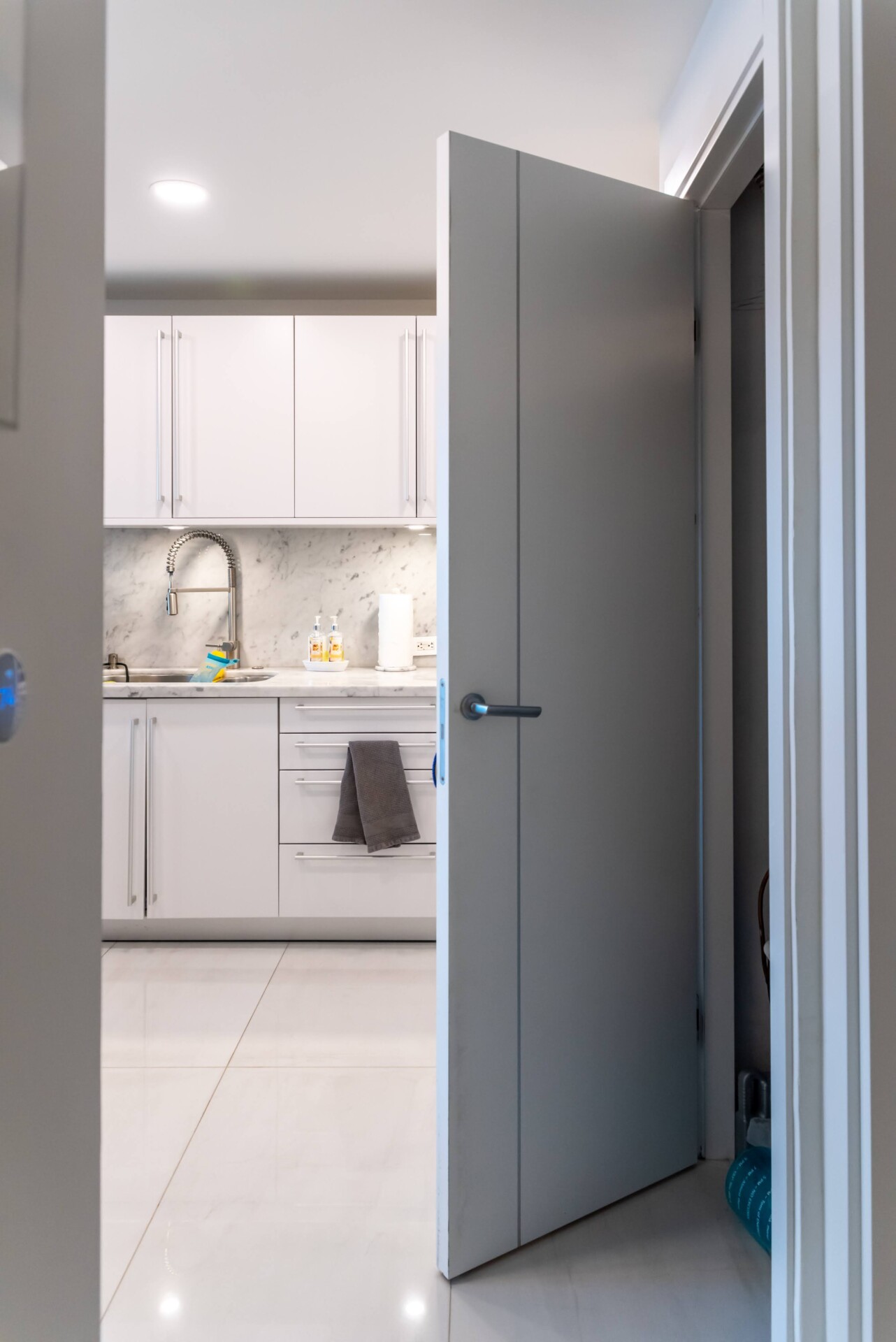
Step 5: Securing the Door and Adjusting Clearance
Once the door is positioned, it needs to be permanently secured to the rough opening.
1. Installing Wooden Fillers and Shims
- Insert wooden shims behind the hinge side of the door to provide additional support.
- Ensure that the pivot attachment points on the door frame are aligned correctly before fully securing the frame.
- Adjust the shims until the door sits evenly within the frame and operates without resistance.
2. Attaching Brackets and Screws
- Connect brackets to the rear side of the door structure with screws.
- Place brackets underneath each hinge, aligning them with the corners of the door structure.
- Secure the other end of the frame in the same manner, ensuring even distribution of pressure to prevent warping.
3. Final Clearance Checks
- Verify the gap between the door and the casing on the top, sides, and knob area. The clearance should be even on all sides.
- Open and close the door several times to ensure it moves smoothly without sticking or scraping.
- Make final hinge and screw adjustments as needed to perfect the door’s movement.
Once the door is fully secured and properly aligned, the installation process is complete. Any finishing touches, such as reattaching trim or sealing gaps with caulk, should be done at this stage.
Common Mistakes in DIY Door Installation and How to Avoid Them
Many homeowners attempt to install an interior door themselves, believing it to be a straightforward process. However, even a minor miscalculation or oversight can lead to significant issues that make the door difficult to open, close, or even fit within the frame properly. DIY door installation requires attention to detail, precise measurements, and an understanding of the structural components involved. Below are some of the most frequent mistakes homeowners make and how to avoid costly and time-consuming errors during installation.
Incorrect Measurements Leading to Poor Fit
One of the most common reasons DIY door installations fail is imprecise measuring. Many assume that simply measuring the existing door’s dimensions will be enough, but this often does not account for variations in the frame, wall movement, or the necessity of an even fit within the rough opening. Even a small miscalculation of a quarter-inch can result in a door that won’t open or close properly.
To avoid this mistake, always measure the rough opening rather than the old door. This means measuring the height, width, and depth of the opening where the new door will be installed. Additionally, it is crucial to check the frame’s squareness using a level and measuring diagonally from corner to corner. If the two diagonal measurements are not equal, the opening is not square, and adjustments will need to be made before installation.

Ignoring Subsill Leveling and Its Effect on Door Alignment
Another frequent issue occurs when the subsill, or the floor surface beneath the door, is uneven. This can cause the door to tilt slightly, leading to gaps between the door and the frame or difficulty in latching properly. Many DIY installers overlook this step, assuming the floor beneath the door is naturally even, but over time, houses settle, and floors shift, which can create an uneven surface that throws off the entire alignment of the door.
The best way to prevent this issue is to always check the level of the subsill before placing the door. If there is any unevenness, use shims or a beveled board to correct it before securing the door frame. Additionally, applying a layer of caulk along the bottom edge of the subsill helps to seal any gaps and create a more stable base for the door. Without this preparation, even a well-installed door may start sagging or become misaligned over time.
Using the Wrong Tools or Hardware
Many homeowners attempt to install a door without the proper tools or use the wrong type of hardware, both of which can result in a weak, unstable, or uneven installation. A common example is using standard nails instead of screws to secure the frame, which often leads to loose connections that shift over time. Another frequent issue is using hinges that are too small or weak to support the weight of the door, causing the door to sag after a few months.
To avoid these issues, investing in the correct tools and hardware is essential. A level, measuring tape, chisel, drill, screwdriver, and shims are must-have tools for ensuring proper alignment and stability. It is also crucial to choose heavy-duty hinges that can support the weight of the door, particularly if the door is made of solid wood or another dense material. Taking shortcuts on tools and hardware may save money initially but will likely lead to costly repairs in the future.
Failing to Check Hinge Alignment and Its Consequences
Hinges play a critical role in the functionality of an interior door, yet many DIY installers rush through hinge placement or assume pre-existing hinge slots are accurate. Even a slight misalignment in hinge positioning can lead to difficulty opening and closing the door, excessive friction, or a door that swings open or shut on its own. If the hinges are not recessed properly, the door may also sit too far from the frame, creating unsightly gaps and reducing insulation.
To ensure correct hinge alignment, it is necessary to carefully measure and mark hinge locations before attaching them to the door and frame. Using a chisel to create recessed hinge mortises allows the hinges to sit flush with the surface, ensuring a tight, even fit. Additionally, it’s crucial to install all hinges at the same depth and check their alignment using a level before securing them with screws. If even one hinge is slightly off, the entire door’s movement will be affected.
Over-Tightening Screws and Warping the Frame
Many DIY enthusiasts believe that tightening screws as much as possible will make the door more secure, but in reality, over-tightening screws can distort the frame and cause the door to become difficult to open and close. This is particularly problematic in wooden doors and frames, where excessive pressure from the screws can bend or pull the frame out of alignment, creating unwanted gaps or warping the structure.
To prevent this, screws should be tightened just enough to secure the frame and hinges without forcing the material. It’s best to tighten each screw incrementally, alternating between screws to distribute pressure evenly. Additionally, using longer screws in the top hinge (around 2.5 to 3 inches) provides better support and prevents the door from sagging over time.
For homeowners who want a perfect installation without the risk of costly mistakes, hiring a professional door fitting service is often the best solution. Italdoors provides expert installation services, ensuring that doors are correctly fitted, aligned, and secured for long-lasting performance.
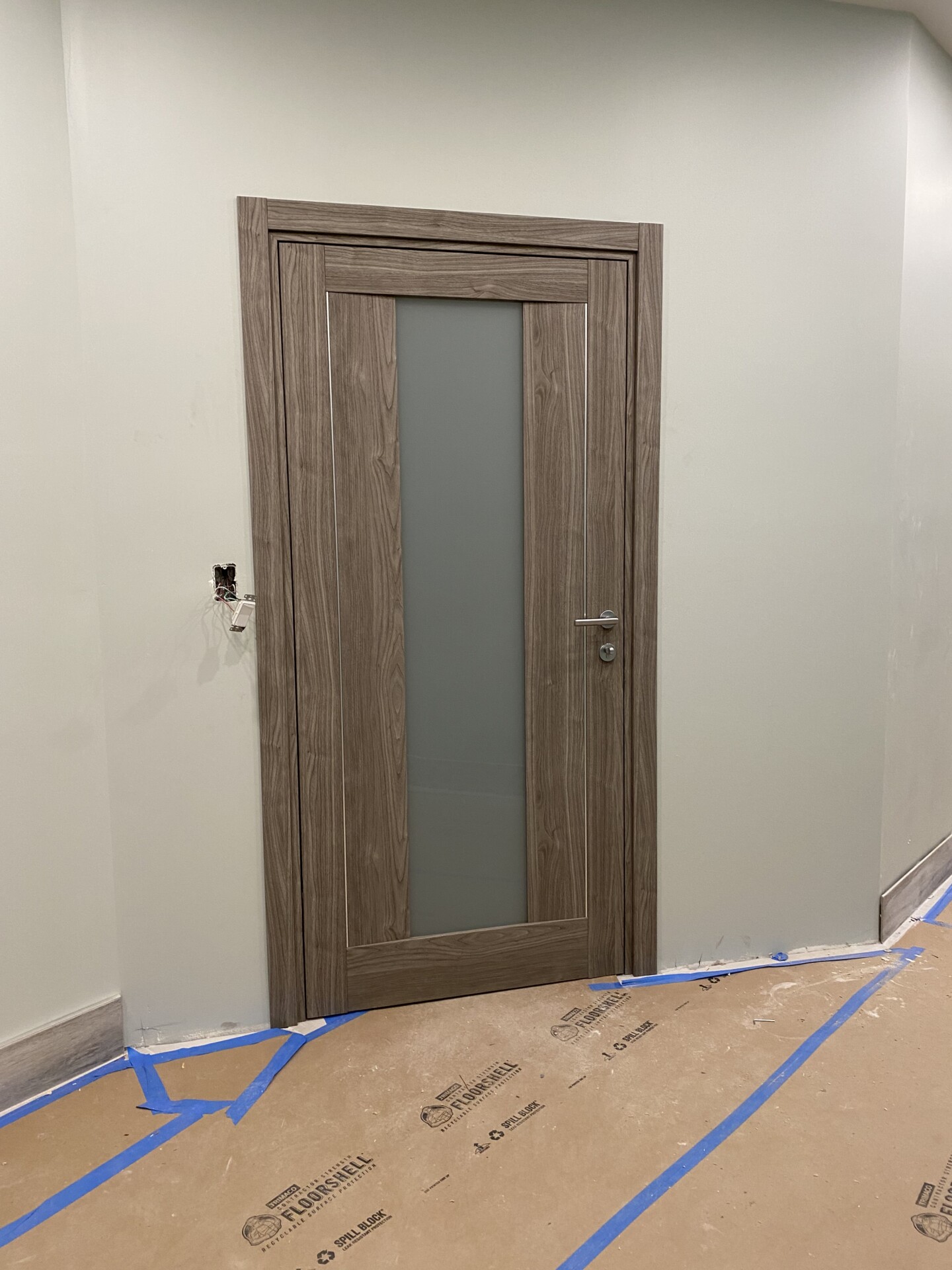
When Should You Call a Professional?
While DIY interior door installation can be a rewarding and cost-saving experience for some homeowners, there are many situations where hiring a professional is the better choice. Even experienced DIYers can run into unexpected challenges, and a poorly installed door can lead to functional issues, costly repairs, and even structural damage.
If you’ve started a DIY door installation and are struggling with alignment issues, gaps, or difficulty closing the door, it may be time to call a professional. Below are the key signs that DIY installation isn’t working, the benefits of hiring a professional, and why Italdoors’ expert services are the best solution for a hassle-free installation.
Signs That DIY Installation Isn’t Working
Many DIYers begin with confidence but quickly realize that door installation is more complicated than expected. Here are the most common warning signs that indicate it’s time to bring in an expert:
- The door won’t close properly – If the door doesn’t latch or swings open on its own, it may be misaligned due to incorrect hinge placement or an uneven frame.
- The frame is visibly crooked – A door frame that isn’t level will lead to gaps, poor insulation, and difficulties opening or closing the door.
- There are large gaps between the door and the frame – Uneven spacing is often a result of incorrect measurements or failure to properly shim the door.
- Damage to surrounding walls or flooring – Over-tightening screws, excessive force, or improper tool use can cause damage to drywall, trim, or flooring, requiring costly repairs.
- The door is rubbing against the floor or frame – This happens when hinges aren’t positioned correctly, or the subsill isn’t level. It can lead to permanent damage to both the door and the flooring beneath it.
- Hinges or hardware aren’t holding properly – If screws won’t stay tight or the hinges feel weak, the frame or door may be misaligned, requiring professional adjustment.
If you experience any of these issues, continuing the DIY process without correcting these errors can result in long-term problems. A professional installer can quickly identify and fix these issues, ensuring that the door is aligned, functional, and secure.
Benefits of Hiring an Expert for Door Installation
Time-Saving and Efficiency
A professional door installer can complete the job in a fraction of the time it takes for a DIYer. What might take a homeowner an entire weekend (or longer) can be done by a trained expert in just a few hours. This not only saves time but also eliminates the frustration that often comes with DIY errors and rework.
Precision and Expertise
Professionals have the knowledge and experience to handle everything from measuring and leveling to adjusting hinges and securing the frame. They use specialized tools that most homeowners don’t have, ensuring the installation is done with absolute precision.
Guaranteed Workmanship and Warranty
Unlike DIY installations, professional services often come with a warranty, providing peace of mind that if something goes wrong, it will be fixed at no extra cost. With Italdoors, every installation is backed by a quality guarantee, ensuring flawless results with no risk to the homeowner.
Avoiding Costly Mistakes
While DIY may seem like a way to save money upfront, many homeowners end up spending more due to incorrect measurements, broken hardware, or damage to walls and flooring. Hiring a professional eliminates the risk of mistakes, preventing unnecessary expenses down the line.
Italdoors’ Professional Door Fitting Services
For homeowners who want a perfect fit without the hassle of DIY installation, Italdoors offers expert door fitting services.
What sets Italdoors apart?
- Precision Installation – Every door is measured, aligned, and fitted with expert precision, ensuring a seamless finish.
- Hassle-Free Process – No need to buy tools, troubleshoot mistakes, or spend an entire weekend struggling with the installation. Italdoors takes care of everything.
- Guaranteed Quality – With years of experience in high-end door installation, Italdoors ensures that every door is installed to the highest standards.
- Customized Solutions – Whether it’s a simple interior door or a custom luxury design, Italdoors provides tailored installation services to meet every homeowner’s needs.
Instead of dealing with frustration, misalignment, and costly rework, homeowners can trust Italdoors for a professional, stress-free installation experience.
If you want a flawlessly installed interior door without the hassle of DIY mistakes, ITALdoors is here to help. Whether you need a single door installation or a complete home upgrade, Italdoors’ expert team ensures precise, professional, and hassle-free installation every time.