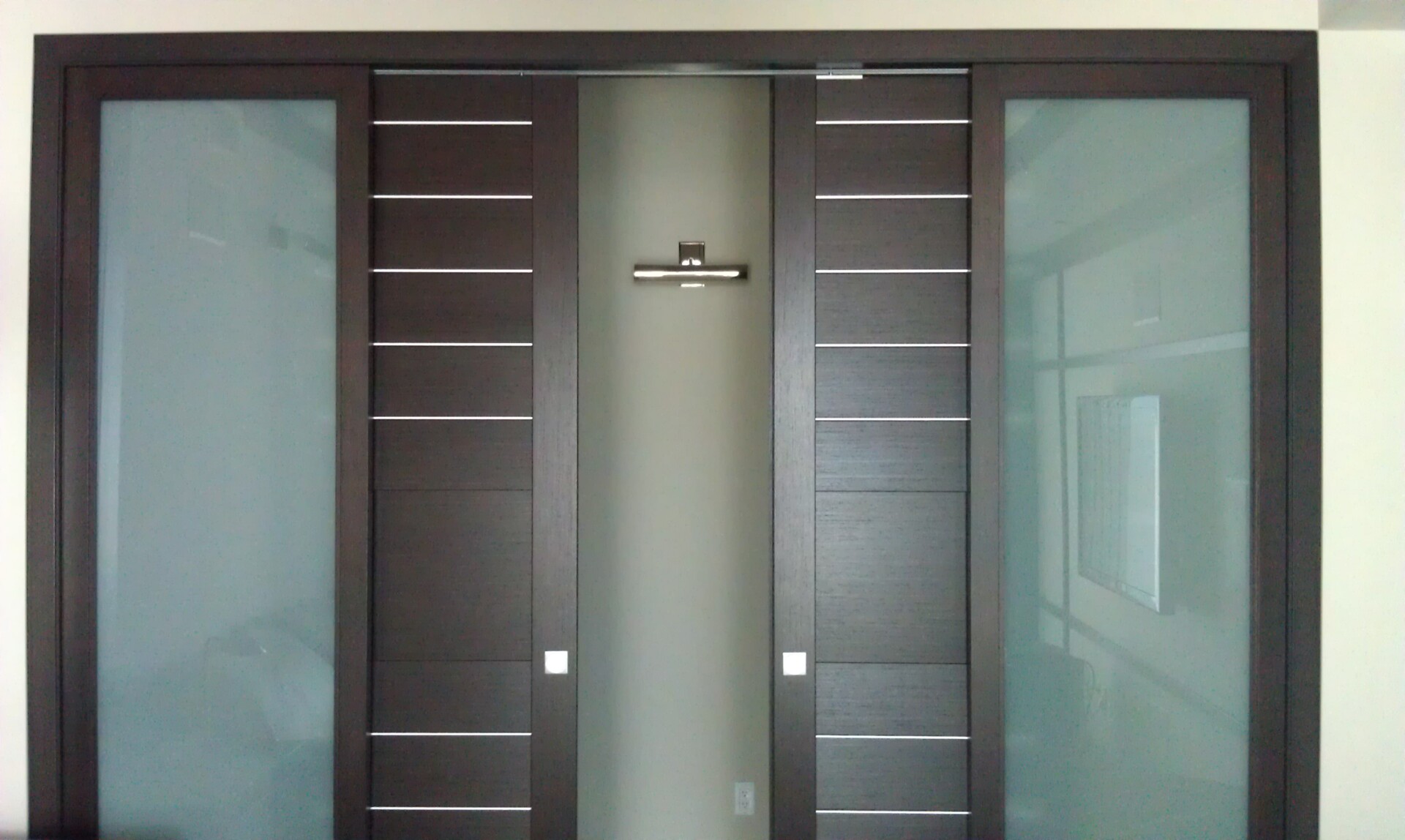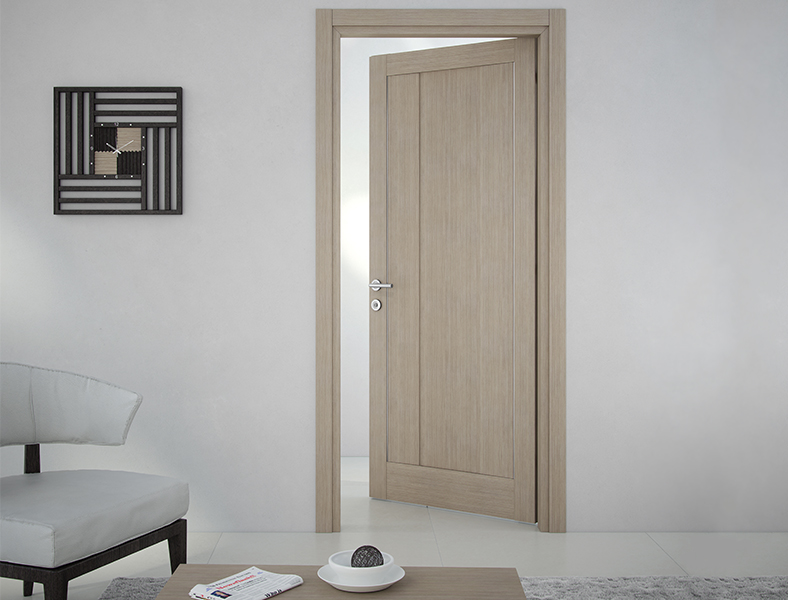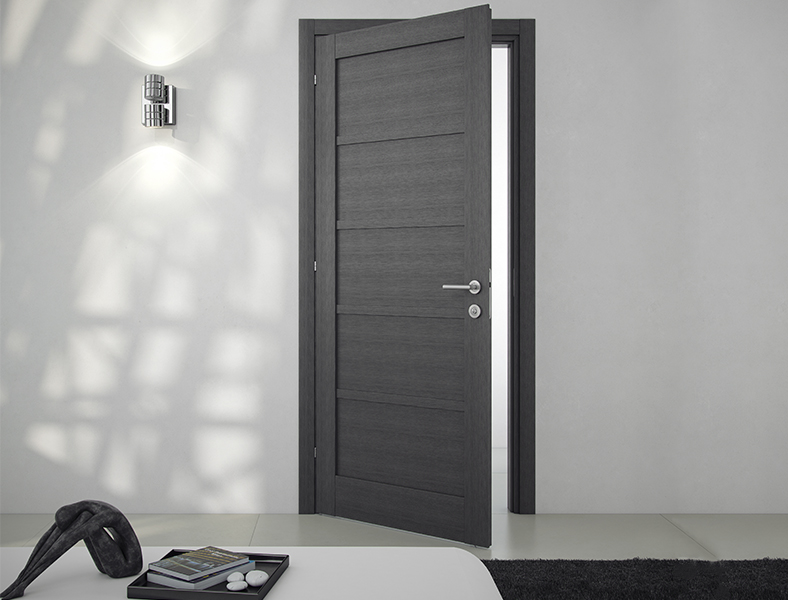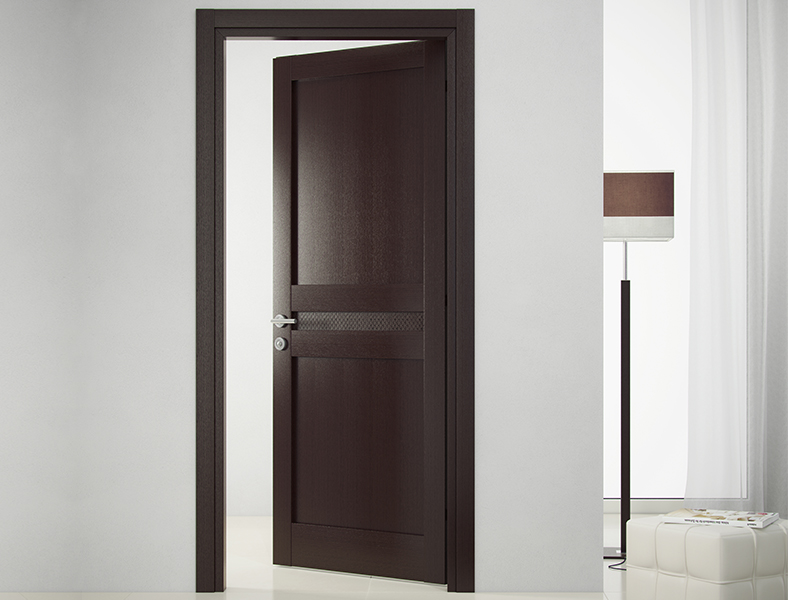
Italian interior doors do not always cost as much as buyers fear, especially when pricing is explained clearly and compared as a complete system rather than as a stripped-down starting number. In 2026, basic Italian interior doors start at $800+, but the real price depends on the model, size, finish, hardware, installation conditions, and whether the door is in stock or custom-made, which is exactly why transparent companies such as ITALdoors stand out by offering competitive pricing without hidden tariff surprises.
In Stock Interior Doors
Simplicity. Structure. Design. Form. Harmony.
What do Italian interior doors cost in 2026?
Entry-level price range: from $800 to about $1,300 per door
At the entry level, Italian interior doors typically start at $800+ and often fall in the $800 to $1,500 range for a more basic configuration. In most cases, this means a standard-size door with a simpler design, a standard finish, and a standard single swing setup.
A basic door in this category usually includes:
- standard dimensions
- simpler panel design
- standard finish
- standard swing configuration
- limited customization
This is the range that matters for buyers who assume Italian doors are automatically out of reach. In reality, entry-level Italian doors can be more accessible than many people expect, especially when the goal is a clean, modern look without advanced customization.
Mid-range price expectations: about $1,500 to $2,800 per door
For many real projects, buyers land in the $1,300 to $2,500 range. This is often the most realistic budget zone for homeowners and designers who want something more refined than the most basic option, but do not need a highly specialized custom door.
This range often includes upgrades such as:
- better finishes
- more design detailing
- more refined hardware
- upgraded door configurations
- stronger visual and architectural presence
This is where the best balance is often found. The buyer gets a noticeably more premium result, but without moving fully into specialty or custom pricing.
Premium and custom price ranges: about $2,800 to $5,000+ per door
Premium and custom Italian doors usually start around $2,500 and can easily reach $5,000 or more per door, depending on the scope. This applies to projects involving specialty systems, oversized dimensions, more advanced finishes, or architectural detailing that goes beyond standard inventory.
| Price category | Typical price range | What you actually get |
|---|---|---|
| Entry-level Italian doors | $800 – $1,300 per door | Standard size, simple design, basic finish and configuration, often limited customization options |
| Mid-range Italian doors | $1,300 – $2,500 per door | Better finishes, refined design details, upgraded hardware, and more complete door systems |
| Premium & custom doors | $2,500 – $5,000+ per door | Oversized, pivot, frameless, or specialty systems with custom finishes and architectural detailing |
| Hidden costs to watch | Varies by project | Frame, casings, hinges, handles, installation, shipping and tariffs often not included in low advertised prices |
| Real installed cost | $1,200 – $6,000+ per door | Complete door system with hardware, proper installation, and full project-ready solution |

In Stock Interior Doors
Function. Natural. Effortless. Intuitive.
What is actually included in the price of an Italian interior door?
This is one of the most important questions in the entire buying process because cost without context is not very useful. A door quote only becomes meaningful when the buyer understands whether it refers to a basic slab, a partial package, or a complete interior door system ready for a more efficient specification and installation process.
Door slab vs complete door system
A large part of the confusion in the interior door market comes from the fact that not all quotes describe the same thing. Two companies may show numbers that appear comparable, but one may be pricing only the panel while the other includes several essential components the buyer would otherwise need to source separately.
There are three common ways pricing is presented:
- Slab-only pricing
This is the most limited form of pricing. It refers only to the door panel itself, without the surrounding system components that allow the door to function as intended within the opening. - Partial package pricing
This may include the slab and some hardware or part of the frame system, but not everything required for a seamless, coordinated installation. - All-inclusive package pricing
This is the most transparent and often the most useful pricing structure because it reflects a fuller solution rather than a disconnected product component.
The difference between these approaches is significant. A slab-only price may initially seem more affordable, but it often places the burden of coordination on the buyer, builder, or installer. That can lead to compatibility issues, delays, design inconsistency, and added sourcing costs that were not obvious at the beginning.
A complete system, by contrast, gives the buyer a clearer picture of what is being purchased and how the components work together. This becomes especially important in modern interiors, where door design is not just about opening and closing but also about alignment, finish continuity, hardware integration, and visual precision.
What a complete ITALdoors package typically includes
One of the strengths of ITALdoors is that the company positions itself not merely as a seller of door slabs, but as a provider of a more inclusive package. That matters because it brings clarity to the buyer and helps reduce the disconnect between product selection and final installation.
A complete ITALdoors package typically includes:
- door panel
- door frame
- casings
- concealed hinges
- magnetic lock or passage lock
- Italian handle
This type of package structure is valuable because these are not optional afterthoughts. They are central parts of the door system. When included from the beginning, they help ensure better visual coordination, better performance, and a smoother planning experience for both homeowners and industry professionals.
For buyers unfamiliar with door terminology, this distinction is particularly important. A door panel alone is not the same as a functional and visually finished opening. The frame affects fit and stability. Casings affect the finished appearance. Hinges affect movement and long-term alignment. The lock and handle shape both user experience and aesthetic quality. When these elements are treated as separate line items after the initial price conversation, the buyer often ends up with a fragmented, more expensive process.
Why inclusive pricing matters
Inclusive pricing matters because it creates a more realistic budget from the start. Instead of pulling a buyer into the project with a low advertised number and then adding necessary components later, it helps establish expectations that match the actual work and the actual product.
There are several major benefits to inclusive pricing:
- easier budgeting from the beginning
- fewer specification surprises
- less risk of compatibility problems
- better coordination between design and function
- less time spent sourcing hardware separately
- smoother installation planning
- greater confidence in the overall value of the quote
For homeowners, this means less stress and fewer last-minute decisions. For designers, architects, and builders, it means fewer weak points in the specification process. In both cases, it also means less room for misunderstanding about what has or has not been purchased.
Inclusive pricing is especially valuable in projects where timelines matter. When a door package is already coordinated, there is less risk that one missing element will slow the next stage of work. Renovation schedules, trim installation, painting sequences, hardware fitting, and punch-list completion all become easier to manage when the package is more complete from the outset.
The real cost difference between cheap-looking low entry pricing and complete package pricing
A lower advertised number is not always the better deal. In fact, one of the most expensive mistakes a buyer can make is comparing a slab-only figure to a complete-package quote and assuming they represent the same value.
The smarter comparison is not:
- Which starting number is lower?
It is:
- Which quote gives me the most complete and predictable result for the money?
A cheap-looking entry price can become misleading very quickly once a buyer adds:
- the frame
- trim or casings
- hinges
- lock hardware
- handles
- labor adjustments
- freight variables
- customization changes
At that point, what originally looked like savings may reveal itself as only an incomplete number used to start the conversation. A more comprehensive package may appear higher at first, but often delivers better value because it reflects more of the actual system and reduces future surprises.
This is especially relevant when evaluating Italian doors, because buyers are often not just purchasing a utility product. They are investing in design impact, hardware quality, engineering, and overall finish consistency. A complete quote provides a more honest foundation for that investment.
What factors affect Italian interior door cost the most?
Italian interior door pricing is shaped by several interrelated variables, and understanding them helps buyers make better decisions. Instead of treating price as a mysterious or arbitrary figure, it is more useful to see it as the result of material choices, engineering requirements, finish selections, hardware quality, installation conditions, and manufacturing logistics.
Door size
Size is one of the most straightforward pricing drivers, but also one of the most important. Standard-sized doors are generally more cost-efficient because they fit established production parameters, use familiar material quantities, and require fewer adjustments in both manufacturing and installation.
Costs tend to rise when a project calls for:
- custom dimensions
- taller-than-standard openings
- wider openings
- oversized statement doors
- non-standard framing conditions
Oversized doors usually cost more for several reasons. They require more material, more structural consideration, and often more precise engineering to maintain long-term performance. Larger panels can also influence transport, handling, and installation labor, especially when clean modern detailing is part of the design goal.
For buyers, this means that the moment a project moves beyond standard dimensions, pricing should no longer be judged by the same benchmark used for a basic entry-level door.
Door type
Door type has a major impact on price because it affects the complexity of the system, not just the appearance of the opening. A single swing door is usually the most straightforward and cost-efficient choice, while specialty configurations require more components, more engineering, and more installation coordination.
Italian interior door pricing can vary depending on whether the buyer selects:
- single swing
- double swing
- sliding door
- pocket door
- barn door
- double bypass
- pivot door
- frameless door
A single swing system is often the baseline for pricing comparisons because it is the simplest and most common application. Double swing doors introduce more material, more hardware, and more installation precision. Sliding and pocket doors involve different track or cavity requirements. Barn doors shift the visual and structural logic of the opening. Pivot doors and frameless systems typically occupy a premium category because they are more architectural and technically demanding.
The important point is that the door type is not a cosmetic detail. It changes how the system is built, how it functions, and how it is installed.
Finish selection
Finish has a strong influence on both aesthetics and price. Standard finishes are usually more budget-friendly because they belong to established product lines and are easier to specify quickly.
ITALdoors offers standard finishes such as:
- walnut
- light oak
- grey
- light grey
- mahogany
- wenge
- matte white
- linen ice
- line grey
- hazel
These types of finishes often provide enough variety for many homes and commercial spaces without requiring the extra cost associated with bespoke finishing. However, when the design calls for custom veneer, lacquer, or laminate options, the price rises because the process becomes more specialized.
Custom finish costs often reflect:
- greater material specificity
- more complex production steps
- finish matching requirements
- approval and sampling processes
- longer manufacturing timelines
For buyers, the finish decision is often where visual ambition and budget begin to interact more directly. A standard finish can still look refined and contemporary, but highly specific finishes can push the door into a more custom and design-driven category.
Core construction and materials
One of the most overlooked aspects of door pricing is the internal construction. Buyers naturally notice style and finish first, but what is inside the door has a major effect on long-term stability, acoustic performance, and overall value.
ITALdoors emphasizes construction based primarily on Pine Wood and MDF, which is an industry-standard engineered approach in high-end Italian production. Panel doors are typically made with a pine surround and an XPS core, which is used to improve stability and soundproofing.
This matters because good door construction is not only about what looks attractive in the showroom. It is about how the product performs over time under normal temperature-controlled conditions. When a door is engineered to resist warping and maintain better stability, the buyer is paying for performance, not just presentation.
Construction quality affects value in several ways:
- better long-term dimensional stability
- improved resistance to sagging or warping under normal conditions
- stronger day-to-day functionality
- better sound control between rooms
- more reliable support for high-quality hardware
A poorly made door may appear less expensive at the beginning, but if it develops movement issues, alignment problems, or a lower-quality user experience over time, the initial savings become less meaningful.
Hardware quality
Hardware has a direct effect on both the feel and cost of a door system. Buyers often underestimate how much hinges, locks, and handles shape the overall impression of quality, but these details are central to performance.
ITALdoors differentiates itself through hardware elements such as:
- concealed hinges
- magnetic latch
- premium Italian handles
- smart features such as keyless entry where applicable
These features usually cost more than basic commodity hardware, but they also contribute to a more refined and modern result. Concealed hinges help maintain cleaner lines. Magnetic latches create a smoother closing experience. Better handles improve tactile quality and visual cohesion. Smart hardware can introduce convenience and additional functionality in appropriate projects.
When comparing quotes, buyers should pay close attention to hardware quality because it is one of the easiest ways to create a misleadingly low starting price. If one package includes architecturally refined hardware and another includes only minimal basic components, they are not equivalent offers.
Installation conditions
Installation is rarely one-size-fits-all, and site conditions can significantly affect total project cost. Even when two buyers choose the same door model, their installation costs may differ based on what is happening at the opening and around it.
Important installation variables include:
- existing opening condition
- whether it is a remodel or new construction
- wall straightness and finish quality
- required framing adjustments
- trim work requirements
- alignment and leveling complexity
- coordination with flooring or adjacent finishes
A clean new-construction opening is very different from a renovation scenario where existing walls, previous trim conditions, uneven floors, or outdated framing need correction. Labor complexity rises when the installer has to adapt the opening, troubleshoot structural inconsistencies, or coordinate a premium modern door package with imperfect field conditions.
This is one reason accurate quoting and site evaluation are so important. Buyers should be cautious of broad installation assumptions that do not reflect the actual conditions on site.
In-stock vs special order manufacturing
Manufacturing and fulfillment method is one of the biggest cost and timeline variables in the market. In-stock doors are often more cost-efficient because the product already exists within a defined program. This reduces uncertainty, shortens wait times, and usually simplifies logistics.
Special-order doors, on the other hand, tend to cost more because they often involve:
- custom production
- non-standard sizing
- special finishes
- extended lead times
- direct shipping from Italy
- more specification coordination
For many buyers, the practical advantage of in-stock inventory is just as important as the price advantage. A door that can be selected, scheduled, and installed in a shorter timeframe often saves money indirectly by protecting the larger project schedule.
What makes Italian doors worth the price?
The question behind nearly every pricing search is not just “How much do Italian doors cost?” but “Why are they worth paying for at all?” A good answer has to go beyond branding and aesthetics and explain the practical value that buyers receive in return for the higher level of design, engineering, and coordination.
Design value
One of the clearest reasons Italian doors command attention is their design language. They tend to bring a cleaner, more intentional look to an interior, and that visual difference is often immediately noticeable.
The design value of Italian doors includes:
- authentic Italian styling
- clean modern lines
- stronger architectural presence
- better finish coordination
- more refined detailing
- broad aesthetic flexibility
ITALdoors offers over 100 design options and organizes its product offering across collections such as Modern, Transitional, Eco, and Flat Panel. That range matters because it gives buyers the ability to find a door that fits the space rather than forcing the space to adapt to a limited selection.
Design value is not only about creating a dramatic first impression. It is also about the way a door contributes to the rhythm of the interior. A well-selected Italian door can make rooms feel more resolved, more connected, and more carefully designed. In homes, offices, and hospitality environments alike, that added visual discipline has real value.
Functional value
A door should look good, but it also has to perform well every day. That is why functional value is an important part of the pricing conversation.
Italian interior doors can add everyday value through:
- privacy between rooms
- noise reduction
- smoother hardware performance
- cleaner closing action
- better room-to-room flow
- stronger finish consistency throughout the interior
These are not abstract benefits. They affect how a space feels in regular use. A door that closes quietly, aligns correctly, reduces noise better, and visually belongs to the rest of the interior contributes to comfort in a way that buyers notice over time. In modern interiors especially, functionality and appearance are closely connected. A premium-looking door that operates poorly is not truly premium, which is why the functional side of the system matters so much.
Material and engineering value
Material and engineering value is where much of the long-term justification for price is found. A better-built door is not simply a decorative upgrade. It is a more reliable product system.
ITALdoors builds its doors primarily using Pine Wood and MDF construction, with panel doors typically using a pine surround and an XPS core to increase stability and soundproofing. This engineered approach supports high-quality performance under normal controlled conditions and helps reduce the risk of the movement problems that can affect lower-quality doors over time.
The value here comes from several practical advantages:
- greater structural stability
- reduced risk of warping under normal conditions
- improved support for hardware performance
- stronger acoustic behavior
- better long-term reliability
This is one of the most important ways to compare prices intelligently. A cheaper door may seem attractive if judged only by surface appearance, but material and engineering quality often determine whether the product will still feel like a good decision years later.
Project value
Beyond design, function, and materials, Italian doors can also deliver project-level value. This is especially important for buyers managing renovations, new construction, or multi-phase design work where timing and coordination affect more than one product line.
Project value comes from advantages such as:
- faster lead times for in-stock models
- complete package structure
- lower risk of hidden charges
- easier planning
- better alignment between product and installation
- more predictable renovation timelines
This is where ITALdoors has a particularly strong value proposition. By offering in-stock Italian doors with faster turnaround, inclusive package options, and guidance through specification and installation, the company reduces the uncertainty that often makes imported or specialty products difficult to manage.
A door is never just a door once a real project begins. It becomes part of the schedule, the labor plan, the finish sequence, and the final impression of the entire space. When a supplier makes that process smoother, more predictable, and more transparent, that added value should be counted as part of the product’s worth.
How ITALdoors keeps pricing transparent and competitive
Transparent pricing is one of the main reasons ITALdoors is well positioned in this category. Many buyers are attracted to Italian design but worry that the process will involve long waits, confusing quotes, and hidden import-related costs. ITALdoors addresses that concern directly by building its offering around clarity, availability, and a more complete service model.
Affordable luxury without the usual imported-door problems
ITALdoors is built around the idea that authentic Italian craftsmanship should not automatically come with unreasonable delays or vague, inflated pricing. That approach is central to its market position.
The brand’s value proposition is based on several clear advantages:
- authentic Italian craftsmanship
- competitive price positioning
- no hidden fees
- no tariff surprises
- faster turnaround than many traditional imported-door programs
This matters because many buyers have learned to associate imported or design-forward doors with uncertainty. They expect a product to look impressive, but they also expect long lead times, difficult coordination, and cost escalation that only becomes visible late in the process. ITALdoors reduces that friction by making luxury feel more accessible and more manageable.
The phrase “affordable luxury” works here because it reflects a real practical position in the market. The goal is not to be the cheapest product on the market. It is to deliver a premium visual and material experience at a competitive price, while keeping the process clearer and more predictable than buyers often expect from imported specialty products.
What separates ITALdoors from generic pricing competitors
ITALdoors is not simply offering doors with Italian styling. It is offering a fuller system shaped by construction knowledge, product coordination, and long-term industry experience.
Several factors help separate ITALdoors from more generic competitors:
- family-owned business with deep construction roots
- 18+ years of manufacturing and service experience
- in-stock models and custom options
- over 100 design options
- inclusive solutions for easier planning
- expert guidance from selection through installation
That combination matters because buyers rarely struggle only with product selection. They also struggle with timing, package clarity, installation coordination, and uncertainty about how the final result will come together. A generic competitor may present a lower initial number but provide less support, less package clarity, and less practical help as the project moves forward.
ITALdoors was built in response to a gap in the local market, where authentic Italian doors were often too expensive, too slow to arrive, or simply not available locally in a practical way. Its solution was to establish production in Italy while creating a more reliable, stateside path for availability, service, and pricing. That background helps explain why the company places such strong emphasis on both craftsmanship and execution.
In Stock Interior Doors
Simplicity. Structure. Design. Form. Harmony.
Frequently asked questions about Italian door cost
How much do Italian interior doors cost in 2026?
Basic Italian interior doors start at $800+. The final price depends on size, finish, hardware, door type, installation conditions, and whether the door is in stock or custom-made.
Why do custom door prices vary so much?
Custom door prices vary because each project can require different dimensions, finishes, opening configurations, hardware, and production methods. The more specialized the design and manufacturing process, the higher the price usually becomes.
Are Italian doors more expensive than standard interior doors?
Often yes at the entry level, but not always by as much as buyers expect when full-package value is compared properly. A complete Italian door system can offer better design, hardware, and long-term performance than a cheaper-looking standard option.
Do Italian door prices usually include hardware?
Not always. Many sellers show pricing that does not include everything, so buyers should always confirm whether the quote includes hinges, lock hardware, handles, frame, and casings.
What is the difference between in-stock and special order pricing?
In-stock pricing is usually faster, clearer, and more predictable because the product is already available within an established program. Special-order pricing allows more flexibility in size, finish, and design, but usually comes with longer lead times and more pricing variables.
Do better materials really affect door cost?
Yes. Core stability, soundproofing, finish quality, and long-term structural reliability all influence the cost of a door, which is why better-built products usually cost more than lower-grade alternatives.