Interior doors do far more than divide one room from another, because they quietly shape how a home feels, how refined it looks, and whether the overall design reads as modern, traditional, or somewhere in between. In this guide, we will compare flat panel doors and raised panel doors in detail so you can choose the right style for your space based on appearance, maintenance, layout, budget, and long-term value, while also understanding why many homeowners turn to ITALdoors for in-stock Italian doors, expert support, and complete door packages.
What is a flat panel door?
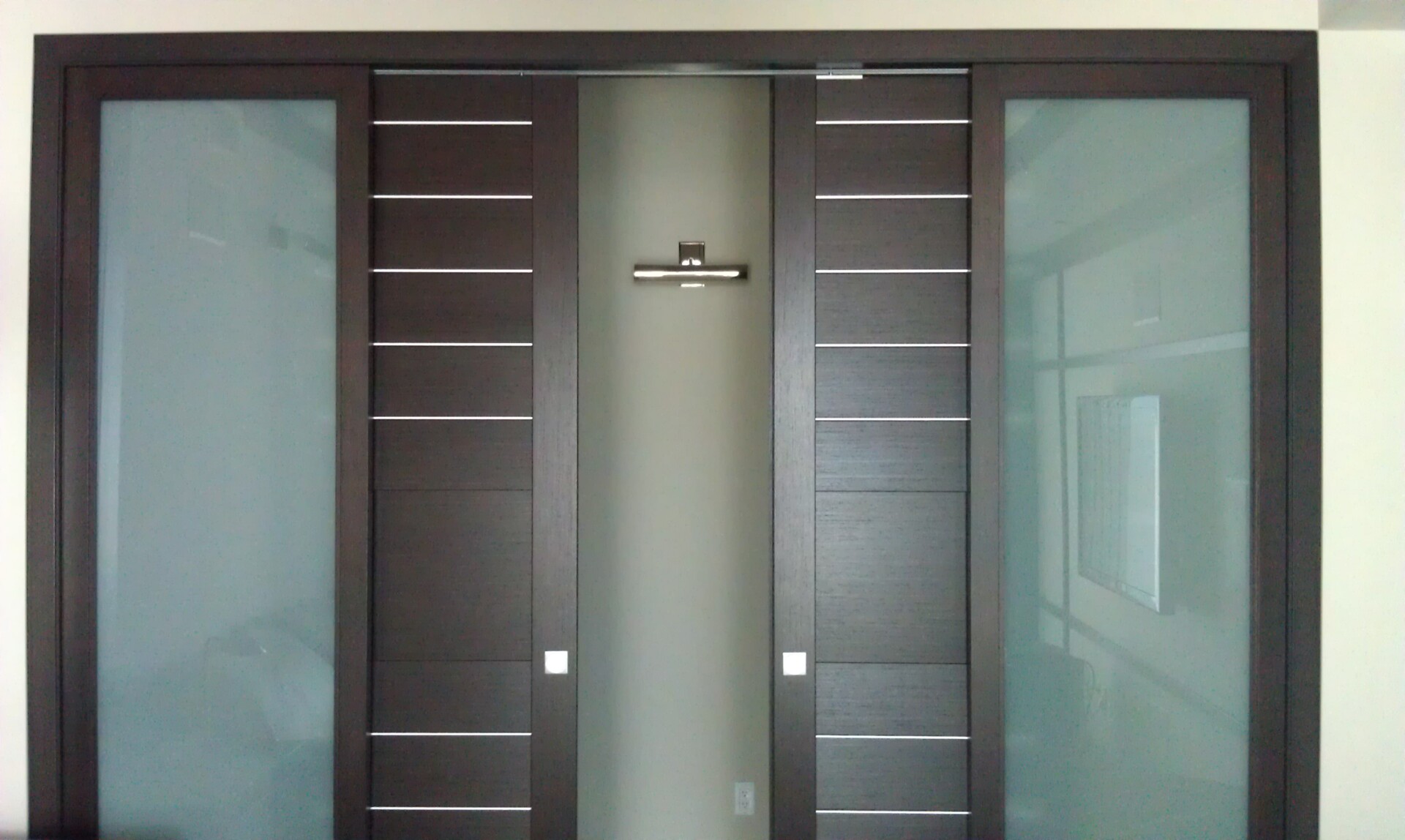
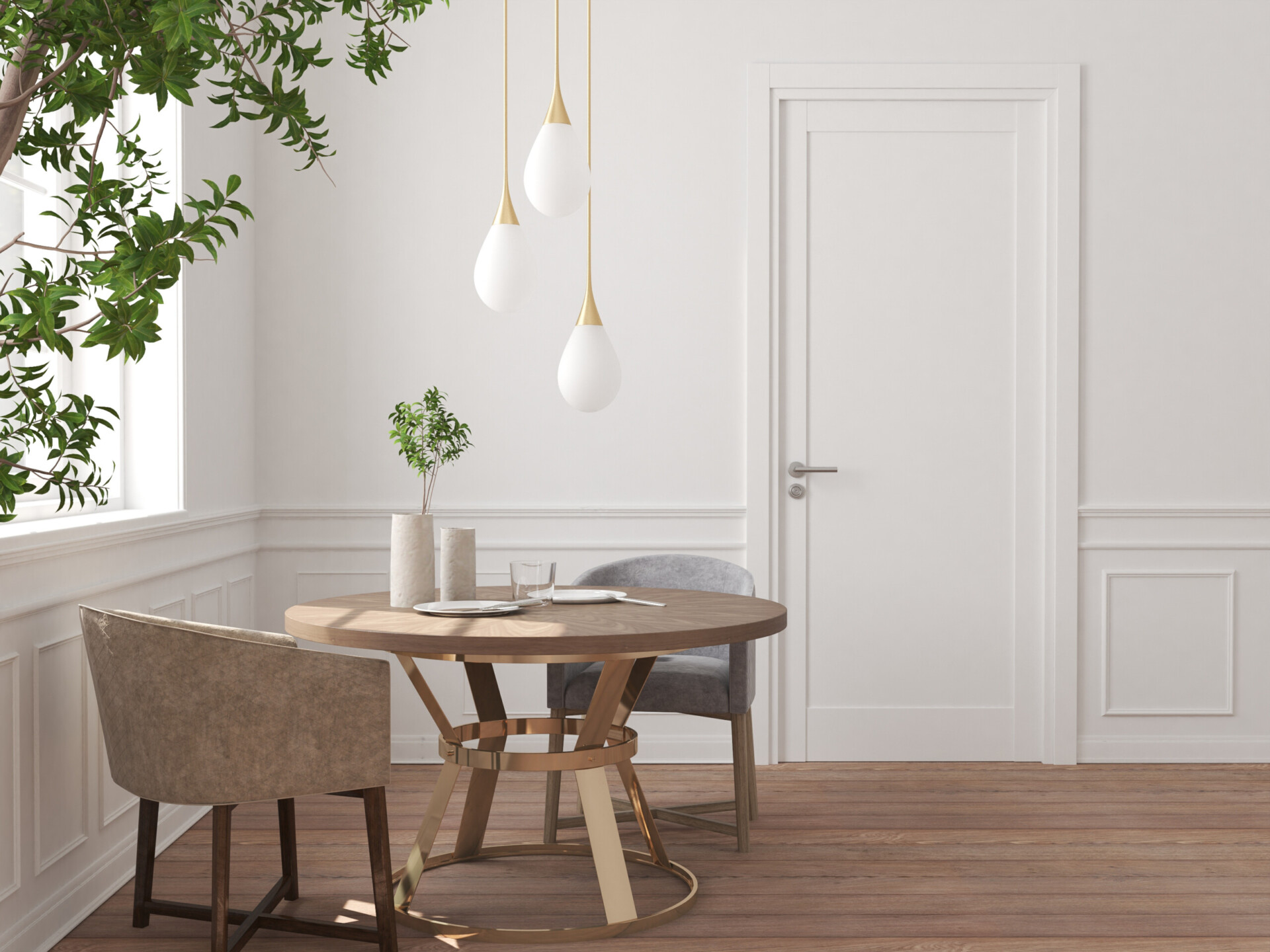
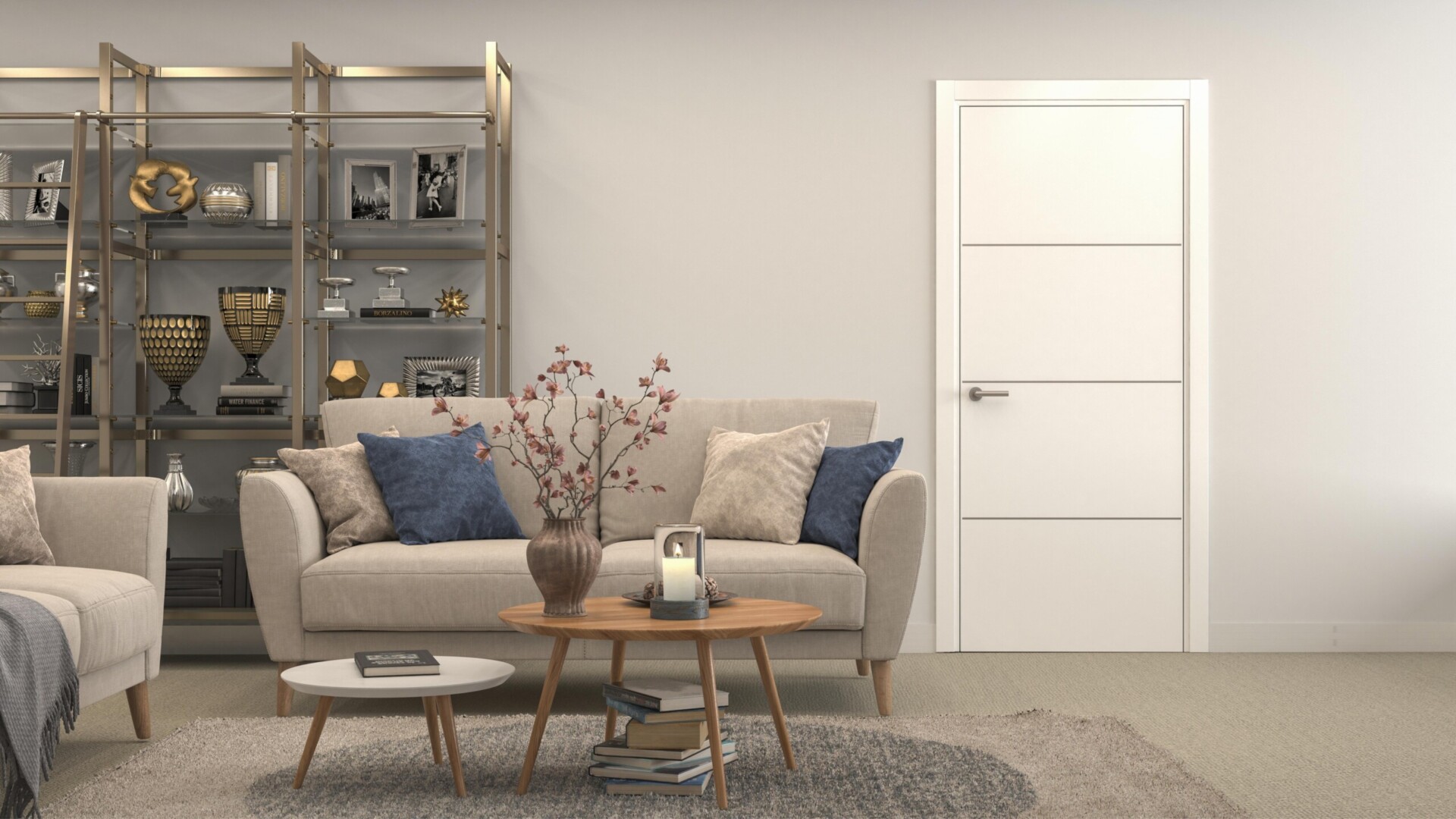
A flat panel door is, at its core, a door with a smooth and simple center section that does not project outward with decorative contouring. It is defined by restraint. Instead of relying on carved profiles, heavy beveling, or raised center detailing, it presents a flatter visual face that feels cleaner and more controlled. That simplicity is exactly what makes it so appealing to homeowners who want a modern, architectural look.
In homeowner-friendly terms, a flat panel door is a door style that emphasizes straight lines, minimal ornamentation, and a neat, uncluttered appearance. The central area of the door remains visually quiet, which allows the proportions, finish, and hardware to do more of the design work. This is a major reason flat panel interior doors are so often chosen in modern homes, luxury condos, contemporary renovations, and transitional properties that lean toward simplicity.
It is also useful to clarify a point that often causes confusion in online searches. People use several similar terms, but they do not always mean exactly the same thing.
- A flat panel door usually refers to a door with a simple, flat-looking center panel and minimal detailing.
- A slab door often refers to a completely flat door surface, sometimes without a visible framed panel construction.
- A flat panel interior door is simply a flat panel door used inside the home rather than as an exterior entry system.
Many shoppers also search for a “flat door,” but that phrase can be broad. In some cases, they mean a true slab-style modern door. In other cases, they mean a flat panel framed door with a clean center panel and subtle perimeter definition. This is why homeowners comparing options should look beyond the search term and focus on the actual construction, profile, finish, and installation type.
What makes flat panel doors so desirable is not just that they are simple. It is that their simplicity feels intentional rather than plain. When selected well, they bring several strong visual qualities into the home:
- clean lines that support a more refined architectural look
- minimal ornamentation that keeps the eye from feeling overloaded
- understated elegance that works across many finish palettes
- strong compatibility with contemporary interiors and updated floor plans
A flat panel door does not fight for attention. Instead, it contributes to a sense of calm and order. In homes where the flooring, wall color, cabinetry, lighting, and furnishings are already doing significant visual work, that restraint is often an advantage.
What is a raised panel door?
A raised panel door is a door style in which the central portion of the door is elevated, contoured, or profiled so that it projects visually from the surrounding frame. Unlike the flatter and more restrained look of a flat panel design, a raised panel door introduces dimension, shadow, and decorative character across the face of the door. That added depth is what gives it a more traditional and formal appearance.
In simple terms, a raised panel door is meant to be seen more actively. The center section is not merely present; it is shaped in a way that creates highlights and shadow lines, giving the door a richer, more sculptural look. For homeowners who associate interior architecture with warmth, craftsmanship, and classic detailing, that visual depth can be very appealing.
Raised panel styling has long been connected with traditional and classic interiors, but it can also appear in transitional spaces when the rest of the home includes more detailed trim work, decorative casing, or formal millwork. In those contexts, the added profile can help the doors feel more integrated with the rest of the architecture.
Compared with flat panel alternatives, raised panel doors often feel more formal and more decorative. They do not disappear into the background as easily. Instead, they contribute visible texture and emphasis. That makes them a strong stylistic tool, but it also means they need to be chosen more carefully. In the wrong setting, a raised panel door can make a home feel visually heavier or more traditional than intended.
Main characteristics of raised panel doors
Raised panel doors are defined by their dimensional face profile and more expressive detailing. Their look is based less on pure minimalism and more on visible craftsmanship and structure.
The most common characteristics include:
- a sculpted, elevated, or contoured central panel
- stronger decorative presence than a flat panel door
- greater visual depth created through shadow and form
- close alignment with traditional, formal, and many transitional interiors
- more noticeable detailing that draws attention to the door itself
This extra dimension can bring character and warmth to a space, particularly when paired with classic casing profiles, detailed baseboards, crown molding, and more traditional finish palettes. In larger homes, where rooms can support more decorative visual elements without feeling crowded, raised panel doors often feel appropriate and proportionate.
At the same time, that decorative depth also affects how the door reads at scale. Because the profile is more active, the door can look heavier and more prominent within the room. That can be beautiful in the right setting, but it also means the door becomes a stronger design statement rather than a quieter architectural background element.
| Comparison point | Flat panel doors | Raised panel doors |
|---|---|---|
| Overall look | Clean, smooth, and understated with a more streamlined architectural appearance | More dimensional and decorative, with visible contouring and a more classic expression |
| Best interior styles | Best suited to modern, minimalist, and cleaner transitional interiors | Best suited to traditional, formal, and more detailed transitional interiors |
| Maintenance | Easier to wipe down and maintain because the surface has fewer grooves and profile lines | More detailed surfaces can collect dust and require more careful cleaning over time |
| Visual weight | Lighter and more visually controlled, helping interiors feel open and uncluttered | Heavier and more visually expressive, adding depth and decorative presence |
| Suitability for small rooms | Usually better for compact rooms, condos, hallways, and open layouts because they reduce visual interruption | Can feel more substantial in tighter spaces, especially where light is limited or trim is already detailed |
| Durability perception | Often perceived as modern and practical, though actual durability depends on construction quality | Often perceived as traditional and substantial, though long-term performance still depends on engineering and materials |
| Hardware compatibility | Excellent match for concealed hinges, magnetic latches, and sleek modern handles | Better suited to more classic or decorative hardware, depending on the overall design direction |
| Cost expectations | Can range from simple and affordable to high-end luxury depending on finish, system quality, and hardware package | Can also vary widely, especially when more complex detailing, finishes, and traditional styling are involved |
| Timelessness | Highly timeless in modern and contemporary homes because they adapt well to evolving interiors | Timeless in classic and traditional homes where decorative detailing is part of the architecture |
| Best for resale in modern markets | Often stronger for modern resale appeal, especially in updated homes, condos, and contemporary renovations | Better resale fit in homes where traditional design, ornate trim, and classic finishes define the property |

Which style is better for small rooms and open layouts?
Flat panel interior doors often perform better in smaller rooms because they create less visual interruption. When space is limited, every surface matters, and a door with a simpler face helps the room feel calmer, more open, and less crowded. This is one of the strongest practical advantages of flat panel doors for today’s homes, especially in urban layouts, condos, townhomes, compact guest rooms, home offices, and narrow hallways.
The reason is straightforward. Small rooms benefit from restraint. When walls, trim, furniture, storage, and lighting are all competing for attention, a heavily detailed door can make the room feel busier than it really is. A flat panel door does the opposite. Its cleaner surface allows the eye to move more smoothly across the room, which supports a stronger sense of openness and balance.
In practical design terms, flat panel doors help smaller spaces by:
- reducing visual heaviness
- minimizing decorative interruption on walls
- supporting a cleaner and more continuous sightline
- pairing more easily with minimalist or light-reflective finishes
- helping compact layouts feel more intentional and less cluttered
Raised panel doors can still work in smaller homes, but they are usually more demanding visually. Their contours and profile lines create more shadow and more surface activity, which can make a compact room feel slightly tighter or more formal. In large rooms, that added depth can feel elegant. In a tight hallway, a secondary bedroom, or a lower-light space, it can feel heavier than necessary.
This becomes even more noticeable in homes with limited natural light. Raised panel detailing depends partly on light and shadow to express its character. In darker corridors or enclosed layouts, that same detailing can start to look dense rather than refined. Flat panel doors usually handle these conditions better because their appearance remains clean and readable even without dramatic lighting.
Open layouts benefit from flat panel doors for a similar reason: continuity. In a home where the kitchen, living space, hallway, and adjacent rooms are visually connected, doors are no longer isolated objects. They become part of the overall architectural flow. A flatter, simpler door profile supports that flow by keeping transitions clean and consistent. Instead of pulling attention away from the broader design, it helps unify the interior.
Best choice for condos, townhomes, and modern remodels
For condos, townhomes, and modern remodels, flat panel doors are often the stronger choice because they help compact homes feel less crowded and more architecturally resolved. Many of these properties rely on efficient planning rather than oversized rooms, which means visual simplicity is not just a style preference, but a spatial advantage.
Flat panel doors are especially effective in these settings because they pair naturally with the finishes and materials commonly used in contemporary residential design, such as:
- modern flooring with wide planks
- neutral walls in white, greige, taupe, or soft grey
- large-format tile
- clean-lined kitchen cabinetry
- minimal trim packages
- open shelving and simple built-ins
This same logic applies to bright, light-filled interiors, including Miami-style homes and other coastal or warm-climate properties where openness, natural light, and a fresh visual tone are part of the desired atmosphere. In those environments, flat panel doors do not interrupt the brightness of the home. They support it. Their quieter surfaces allow the finish, hardware, and surrounding materials to speak more clearly without overcomplicating the room.
In short, if a homeowner wants the space to feel lighter, cleaner, and more current, especially in a compact footprint, flat panel doors usually offer the better visual result.
Which door style is easier to clean and maintain?
Flat panel doors are the easier-care option in everyday life. While both flat panel and raised panel doors can be high-quality products, a flatter surface is simply more convenient to clean, easier to wipe down, and less likely to trap dust in hard-to-reach profile lines. For homeowners who care about low-maintenance design, this is not a minor detail. It is one of the most practical reasons flat panel doors continue to outperform more decorative styles in modern homes.
A flat panel door has fewer contours, less carved detailing, and fewer recessed transitions where dust can collect. That means routine cleaning is faster and more straightforward. In a busy household, that convenience matters over the long term. The difference may seem small when looking at one door in a showroom, but across an entire home with multiple bedrooms, bathrooms, closets, and hallways, the maintenance burden becomes much more noticeable.
Raised panel doors require more attention because their detailing creates additional edges, grooves, and profile changes. Those features may be visually appealing, but they also become places where dust, grime, and general wear become more visible over time. In homes with pets, children, rental turnover, or heavy daily use, those small upkeep differences can add up quickly.
For many homeowners, the simpler surface wins because it aligns better with real life. This is especially true in:
- family homes with frequent touchpoints
- rental properties where easy upkeep matters
- vacation properties that must stay presentable with minimal effort
- modern homes where low-maintenance finishes are already part of the design strategy
- high-traffic interiors where doors are used constantly throughout the day
This does not mean raised panel doors are difficult to live with. It means they ask for more attention. A homeowner who loves traditional detailing may accept that trade-off. But someone prioritizing efficiency, cleanliness, and everyday ease will usually prefer flat panel doors.
Practical maintenance considerations homeowners forget
When homeowners compare door styles, they often focus on the showroom appearance and forget to think through how the doors will age under normal use. Maintenance is not only about cleaning today. It is also about how the door looks after years of contact, dust, seasonal changes, and repeated use.
The practical issues people often overlook include:
- dust accumulation in detailed profiles and grooves
- more visible buildup in contoured or ornamented areas
- touch-up challenges on decorative surfaces where the profile draws attention to imperfections
- more time spent cleaning around moldings and transitions
- long-term convenience in high-traffic areas such as hallways, children’s rooms, laundry spaces, and entry-adjacent zones
Flat panel doors simplify all of this. Their cleaner face makes routine wiping easier, and small marks are often less distracting because the surface is visually quieter. That is one reason why they tend to perform so well in homes designed around modern functionality. A cleaner door profile is not just easier to maintain. It also tends to look tidier between cleanings.
For homeowners who want a polished home without constantly managing dust, detailing, and surface buildup, flat panel doors offer a more forgiving and more practical solution.
Durability, warping, and everyday performance
When comparing flat panel doors and raised panel doors, homeowners often assume the more important question is which style is stronger. In reality, door style alone does not determine durability. Construction quality matters far more than whether the face profile is flat or raised. A poorly made flat panel door can perform badly, and a well-engineered raised panel door can perform beautifully. The real issue is not the decorative style, but the quality of the materials, the manufacturing standards, and the completeness of the door system.
This is where many buyers make a costly mistake. They focus too heavily on appearance and not enough on what actually supports long-term performance. A door is not just a face panel. It is part of a larger operating system that includes the frame, alignment, hardware, installation quality, and how well all of those pieces work together over time.
High-quality flat panel and raised panel doors can both last well when they are properly engineered. If premium materials are used, if workmanship is consistent, and if the installation is handled correctly, either style can provide durability, smooth operation, and long-term visual appeal. Problems such as warping, sagging, poor closing, or premature wear usually come from inferior materials, weak system design, or installation shortcuts, not from the design profile alone.
That is why ITALdoors’ value proposition matters here. The company positions its doors not simply as attractive products, but as quality systems built around:
- premium materials
- reliable workmanship
- thoughtful engineering
- reduced concern over common issues like warping or sagging
- a more complete package rather than a slab-only approach
This is especially important for homeowners investing in premium interior doors. A beautiful finish means little if the door does not close properly, align cleanly, or hold up under daily use. Long-term performance depends on execution. That includes the visible design, but it also includes everything the homeowner does not immediately see.
Why the full door system matters more than style alone
The full door system matters because performance is cumulative. A well-designed door panel needs the right frame, the right hardware, and correct installation if it is going to function properly over time. Focusing only on whether the door is flat panel or raised panel misses the bigger picture.
A complete interior door solution typically involves:
- door panel
- door frame
- casings
- concealed hinges
- magnetic lock
- Italian handle
- proper installation and alignment
When these components are planned together, the result is cleaner visually and stronger operationally. The homeowner gets a door that not only looks refined, but also opens smoothly, closes correctly, and maintains its appearance with less frustration over time.
This is one of the reasons ITALdoors’ all-inclusive package is meaningful from both a design and performance standpoint. Instead of treating the door as a disconnected slab that must be pieced together with separate hardware and field decisions, the company offers a more coordinated approach. That simplifies planning, reduces uncertainty, and improves the likelihood of a better final result.
For the homeowner, this means fewer mismatched elements, fewer installation compromises, and better confidence that the door system will perform the way it should. In other words, durability is not only about what the door is made of. It is also about whether the entire assembly was designed to function as one complete solution.

Frequently asked questions about Flat Panel Doors vs. Raised Panel
Are flat panel doors the same as slab doors?
Not always. In everyday search behavior, many people use these terms interchangeably, but a slab door usually refers to a completely flat door face, while a flat panel door can also describe a door with a simple framed construction and a smooth center panel.
Are flat panel interior doors in style right now?
Yes. Flat panel interior doors are very much in style, especially in modern, minimalist, and transitional homes where clean lines and visual simplicity matter.
Do raised panel doors look outdated?
Not necessarily. Raised panel doors still work well in traditional, classic, and some transitional interiors, especially when the surrounding trim, millwork, and overall architecture support that style.
Which is easier to maintain, flat panel or raised panel doors?
Flat panel doors are easier to maintain. Their smoother surfaces are quicker to clean and collect less dust in grooves and detailing.
Are flat panel doors good for small rooms?
Yes. Flat panel doors usually work very well in small rooms because they create a cleaner visual flow and make the space feel less crowded.
Can flat panel doors work in a luxury home?
Yes. Flat panel doors can look highly luxurious when paired with premium finishes, quality materials, concealed hinges, magnetic latches, and refined architectural hardware.